Israel uprooted Palestinians 2.8 million times in 2025: report
New displacement report says Israeli military operations in Gaza and West Bank triggered record forced uprooting and humanitarian collapse
© Anadolu Agency
GENEVA (MNTV) — Israel’s military campaign in Gaza and escalating operations in the occupied West Bank forcibly displaced Palestinians nearly 2.8 million times during 2025, according to a major new global report that accused Israeli actions of driving one of the world’s worst internal displacement crises.
The findings were published Tuesday by the Geneva-based Internal Displacement Monitoring Centre in its Global Report on Internal Displacement 2026, which documented unprecedented levels of forced Palestinian displacement under Israel’s war on Gaza and expanding military operations across occupied territories.
According to the report, Palestinians in the occupied West Bank, including East Jerusalem, experienced around 51,000 forced displacements during 2025 — more than five times higher than the previous year and the highest level recorded since Israel occupied the territory in 1967.
In Gaza, the report said Israeli bombardment, evacuation orders and expanding military buffer zones forced civilians to flee approximately 2.7 million times over the year, often repeatedly and without access to safe shelter.
The report described Israel’s destruction of neighborhoods, restrictions on civilian movement and widening militarized zones as key drivers of the crisis, saying more than 80 percent of Gaza’s infrastructure had been damaged or destroyed by the time a ceasefire was reached in October.
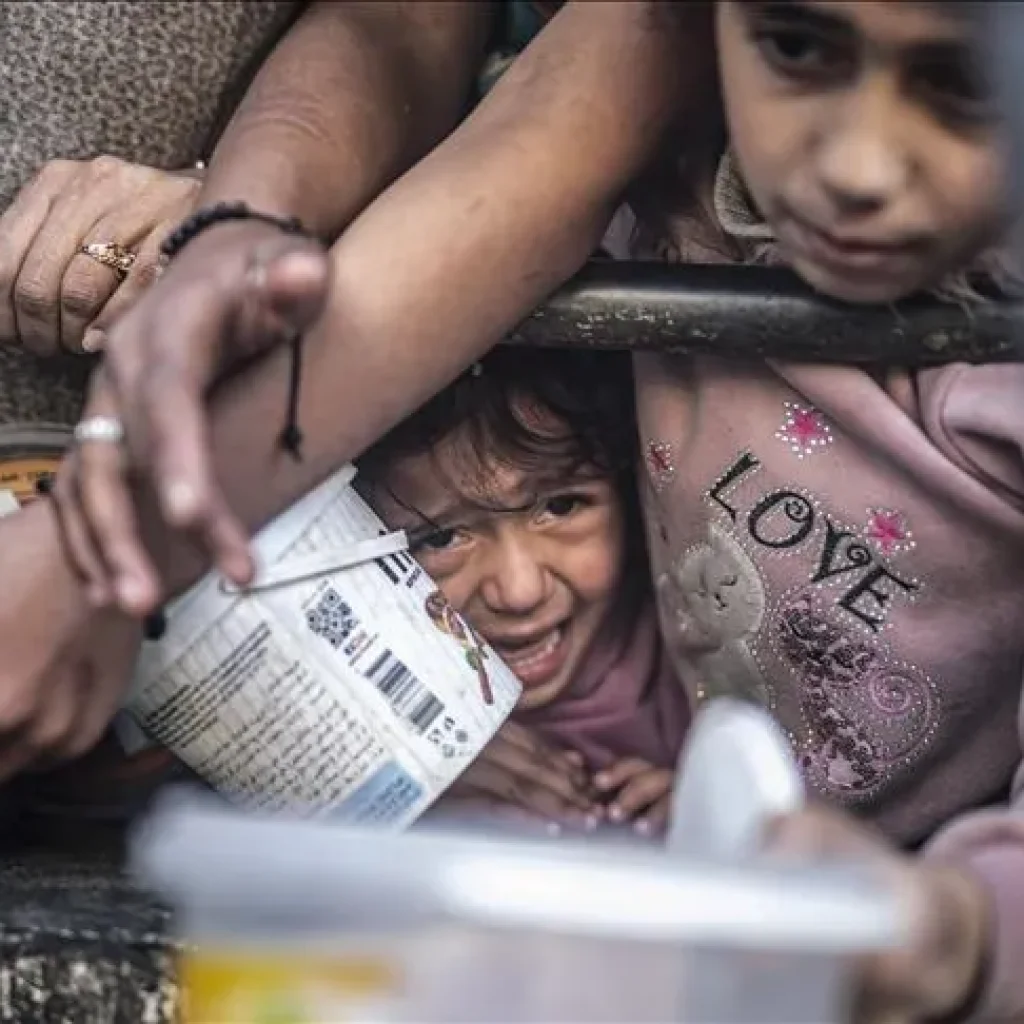
By the end of the year, roughly two million Palestinians remained displaced inside Gaza, with around 1.3 million requiring emergency shelter assistance.
The report also said Israeli military-imposed restricted zones and the so-called “yellow line” prevented Palestinians from accessing more than half of the Gaza Strip, leaving civilians trapped in increasingly overcrowded and unsafe areas.
According to the findings, famine conditions were officially declared in Gaza in August, while the entire population faced acute food insecurity. Around 641,000 people were classified under catastrophic hunger conditions.
The displacement crisis sharply intensified in the occupied West Bank after large-scale Israeli military assaults began in refugee camps in Jenin, Tulkarm and Nur Shams in January 2025.
The report said more than 33,000 Palestinian refugees were forced to flee those camps alone, describing it as the largest displacement event recorded in the West Bank in modern history.
Israeli authorities were also accused of blocking displaced residents from returning to their homes and restricting humanitarian aid deliveries into affected areas.
The report further documented a major rise in attacks by Israeli settlers, saying violence by armed settlers displaced nearly 1,700 Palestinians during the year — almost triple the previous year’s figure.
It added that daily settler attacks against Palestinians reached their highest recorded level in 2025, particularly in areas around Ramallah, Bethlehem and Nablus.
Israeli demolition campaigns targeting Palestinian homes and structures also displaced more than 2,100 people, with the report criticizing what it described as discriminatory permit systems and punitive demolitions disproportionately affecting Palestinian and Bedouin communities.
The monitoring center warned that Palestinian displacement risks becoming permanently entrenched without reconstruction, restoration of services and guarantees for safe return.
The report also linked broader regional displacement surges to Israel’s military confrontation with Iran in June 2025, saying the conflict triggered nearly 10 million displacement movements across Iran in less than two weeks.
Globally, the report said more than 82 million people were living in internal displacement by the end of 2025, with conflict-related displacement reaching the highest level ever recorded.
UN Special Rapporteur Paula Gaviria Betancur warned in the report that forced displacement was increasingly being used deliberately as a weapon of war through siege tactics, evacuation orders and attacks on civilian infrastructure.
“These are not unfortunate by-products of conflict, but violations of international law,” she said.


Read also