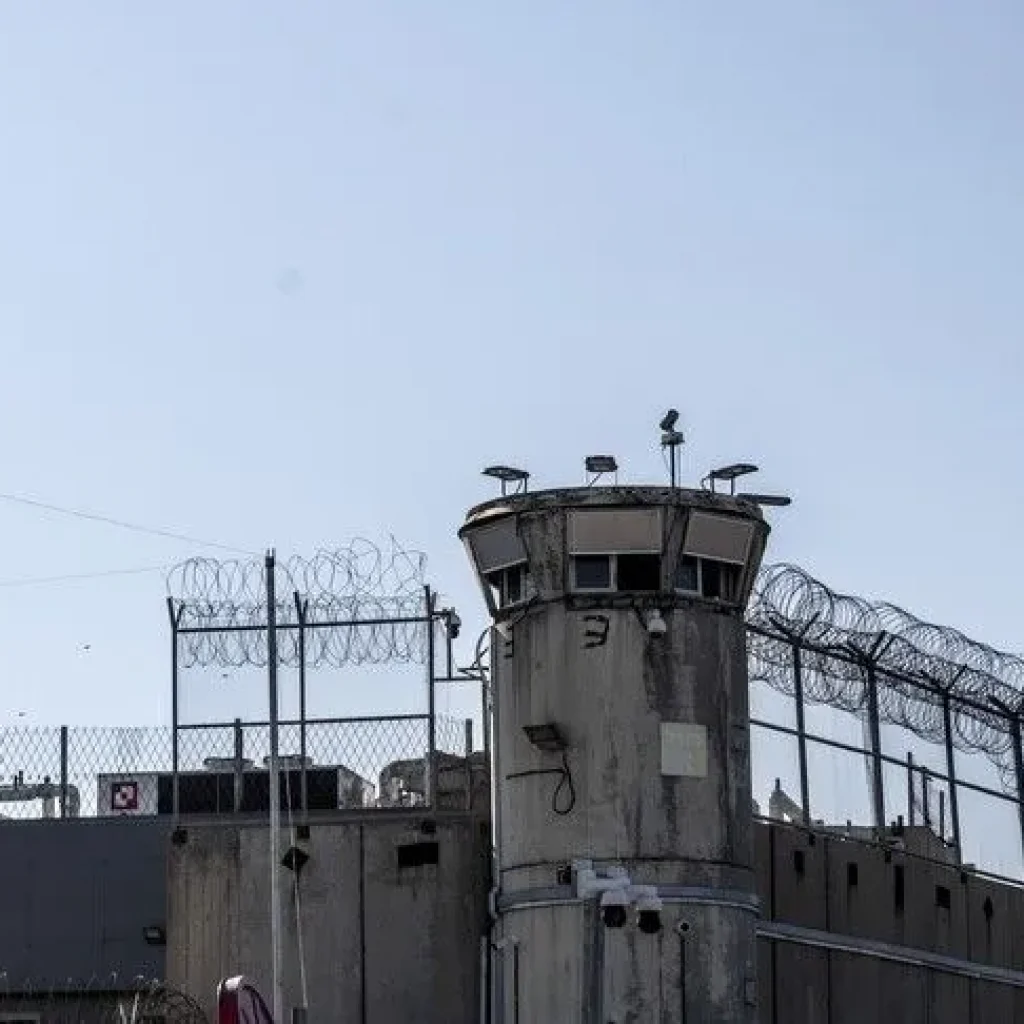
Four Israeli Real Estate Companies and One Canadian Marketing Firm Under Scrutiny for Allegedly Deceiving Canadians.
A group of lawyers and civil society members has submitted a complaint to the Competition Bureau about Israeli real estate activities in Toronto and Montreal. They allege that properties in occupied Palestinian territories were marketed to Canadians under false pretenses.
The complaint asserts that at least four Israeli real estate companies and one Canadian marketing firm promoted properties located in the occupied West Bank while misleading consumers into believing they were in Israel.
The Competition Bureau has stated it will review the complaint, filed by the Global Echo Litigation Center and the Canadian Lawyers for International Human Rights, to determine if an investigation into the companies is warranted.
James Yap, president of the lawyers’ association and a law professor at Windsor University, mentioned that Canadians who may have purchased West Bank properties could face serious legal consequences under international law, including complicity in war crimes.
Canada and much of the international community have consistently regarded Israeli settlements in the West Bank as illegal and an obstacle to peace in the Middle East.
In August, Ottawa cautioned Canadian businesses to avoid engaging with Israeli settlements, warning that doing so could expose them to legal and financial risks.
“The Canadian government often speaks about upholding international law,” Yap stated. “Our prime minister has expressed concerns about the weakening of the international rules-based order. They condemn the settlements as illegal and say they will take action. This is an opportunity for the Canadian government actually to take a stand.”
The complaint, filed on behalf of six Canadians, includes photographs, social media posts, and promotional materials of condominium projects in the occupied West Bank that were marketed at various real estate events from 2024 to 2026.
One photo from the 2024 Great Israeli Real Estate Event in Montreal shows a booth for an Israeli real estate company promoting condo projects in Ma’ale Adumim and Adam, both Israeli settlements in the occupied West Bank, alongside properties in Israel.
Another company’s booth at the same event advertised itself as “your real estate agency in Jerusalem,” listing four Israeli settlements in the West Bank and two Israeli cities. This company is even more direct on its website, falsely claiming that its “homes for sale” in West Bank settlements such as Efrat, Mitzpe Yericho, and Ma’ale Adumim are actually in Israel.
A Canadian marketing firm that assists North Americans in purchasing Israeli real estate also lists a West Bank condo development as “an Israeli development” on its website.
However, aware of Canada’s warnings against buying illegal properties in the West Bank, the firm used more ambiguous language at a real estate event in Toronto.
For example, at the 2026 Israel Real Estate Briefing in Toronto, they promoted a condo project in the Givat HaMatos settlement located in East Jerusalem, in the occupied West Bank, with the tagline “own a piece of Jerusalem.”
The lawyers behind the complaint argue that this ambiguity does not absolve the companies of responsibility. They contend that by promoting these properties at events titled the Great Israeli Real Estate Event and the Israeli Real Estate Briefing, while omitting their actual locations in internationally disputed territories, the real estate companies misled Canadian consumers.
Ariel Katz, a competition law expert who reviewed the complaint but was not involved in filing it, stated that he finds the evidence compelling but could not predict whether the Competition Bureau is likely to initiate an inquiry. “This is a highly politically charged topic; whatever decision they make could put them under substantial pressure,” Katz noted.
Israel, as it has since 1948, continues to assert that its settlements in the West Bank are not illegal based on biblical claims regarding the ‘chosen people.’
While the complaint addresses allegations of false advertising, Katz noted that international law considers the West Bank properties allegedly promoted at these events illegal, and Ottawa could potentially prohibit marketing them entirely.
The lawyers behind the complaint are leaving open the option of future legal action targeting the properties’ illegality.
Related posts



Read also