Iran, Oman hold first Hormuz Committee meet on strait’s governance
Officials discuss management of strategic waterway, citing Islamabad memorandum and sovereign rights of two coastal states
© Anadolu Agency
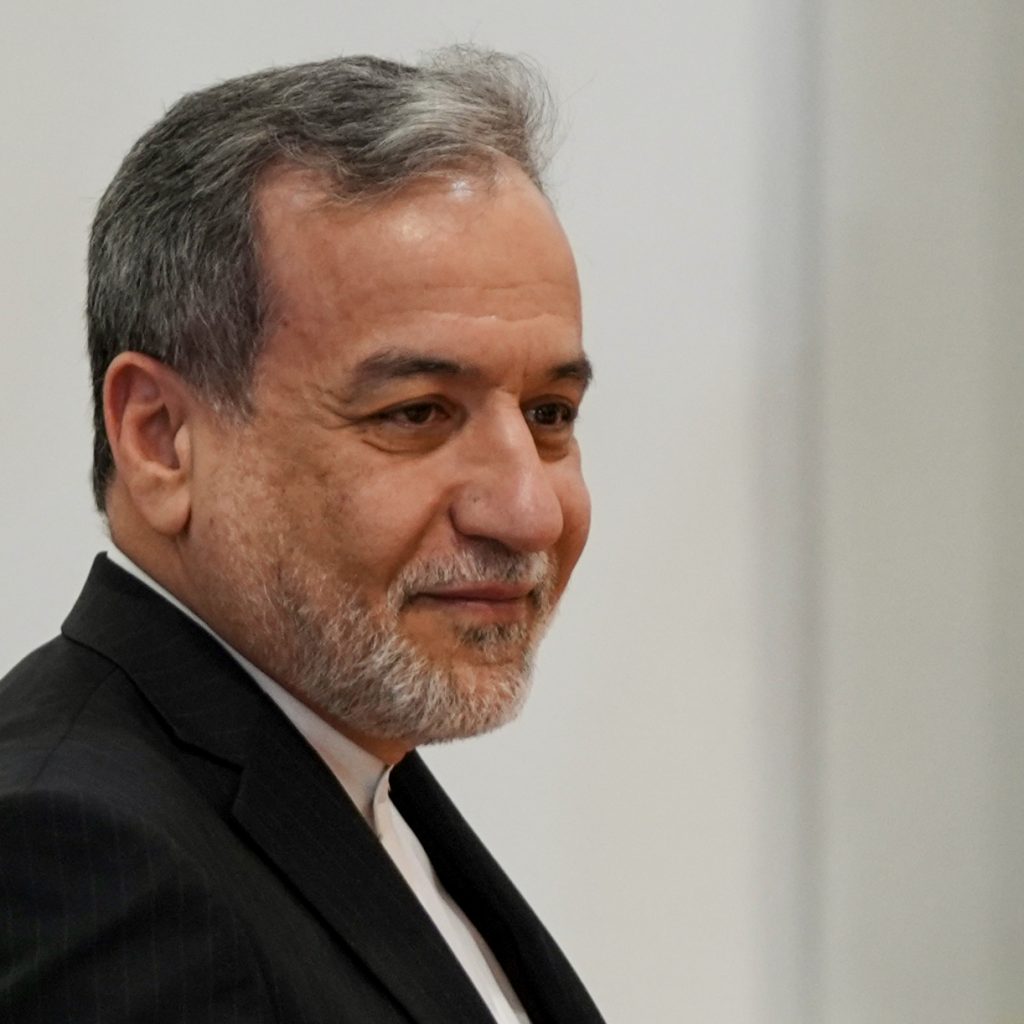
TEHRAN, Iran (MNTV) — Iran and Oman have held the inaugural meeting of their newly established joint Hormuz committee, with talks focused on current issues and the future governance of the Strait of Hormuz, Iranian Deputy Foreign Minister for Legal and International Affairs Kazem Gharibabadi said Monday.
In a post on X, Gharibabadi said the meeting took place during his visit to Muscat and was attended by Omani Minister of State for Foreign Affairs Abdulaziz al-Hinai.
According to Gharibabadi, the two sides reviewed developments concerning the strategic waterway and exchanged views on its future management.
“During the meeting, in addition to reviewing current issues concerning the Strait, we exchanged views on its future management within the framework of the fifth clause of the Islamabad memorandum of understanding and the sovereign rights of the littoral states,” he said.
Iran says it tightened control over the Strait of Hormuz following American-Israeli aggression against the country and after U.S. President Donald Trump announced the continuation of a naval blockade targeting Iranian vessels and ports.
Iranian officials said a Pakistan-mediated memorandum of understanding signed between Tehran and Washington was intended to end the cycle of escalation, with the agreement’s fifth clause recognizing Iran’s sovereignty over the strategic chokepoint.
According to Iranian officials, Tehran and Muscat subsequently began consultations on the future governance of the Strait in line with the sovereign rights of the two coastal states.
The meeting followed a joint statement issued June 22 after a visit to Muscat by Iranian Parliament Speaker Mohammad Baqer Qalibaf and Foreign Minister Abbas Araghchi.
In the statement, Iran and Oman emphasized that any arrangements concerning the Strait of Hormuz should fully respect the sovereignty and sovereign rights of the two littoral states.
Related posts


Read also