Invincible spirit: Five young girls from Pakistan’s ‘mini Brazil’ defy the odds
In Karachi's football-mad Lyari, five young women overcame poverty and prejudice to train at Paris Saint-Germain Academy in Qatar
By Akhtar Pathan
KARACHI, Pakistan (MNTV) — As the 2026 FIFA World Cup unfolds across North America and the world’s gaze fixes on football’s grandest stage — one Pakistan has never reached — a quieter revolution is taking root in the back streets of Karachi.
In Lyari, Karachi’s storied football stronghold often called Pakistan’s “mini Brazil,” football is far more than a game. It is identity, culture and aspiration woven into daily life. The sport pulses through the narrow streets of the old neighborhood, inspiring generations to dream beyond the limits of their circumstances.
For decades, however, those dreams largely belonged to boys.
That reality is beginning to change.
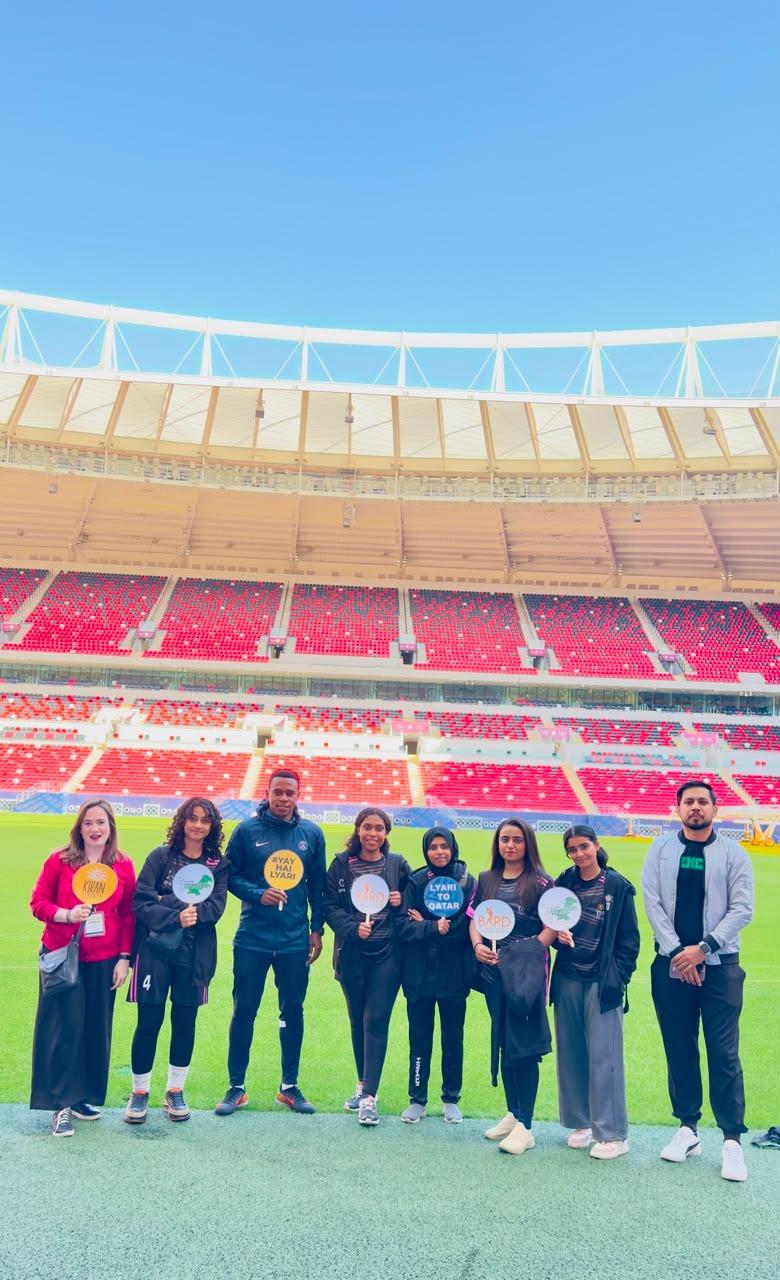
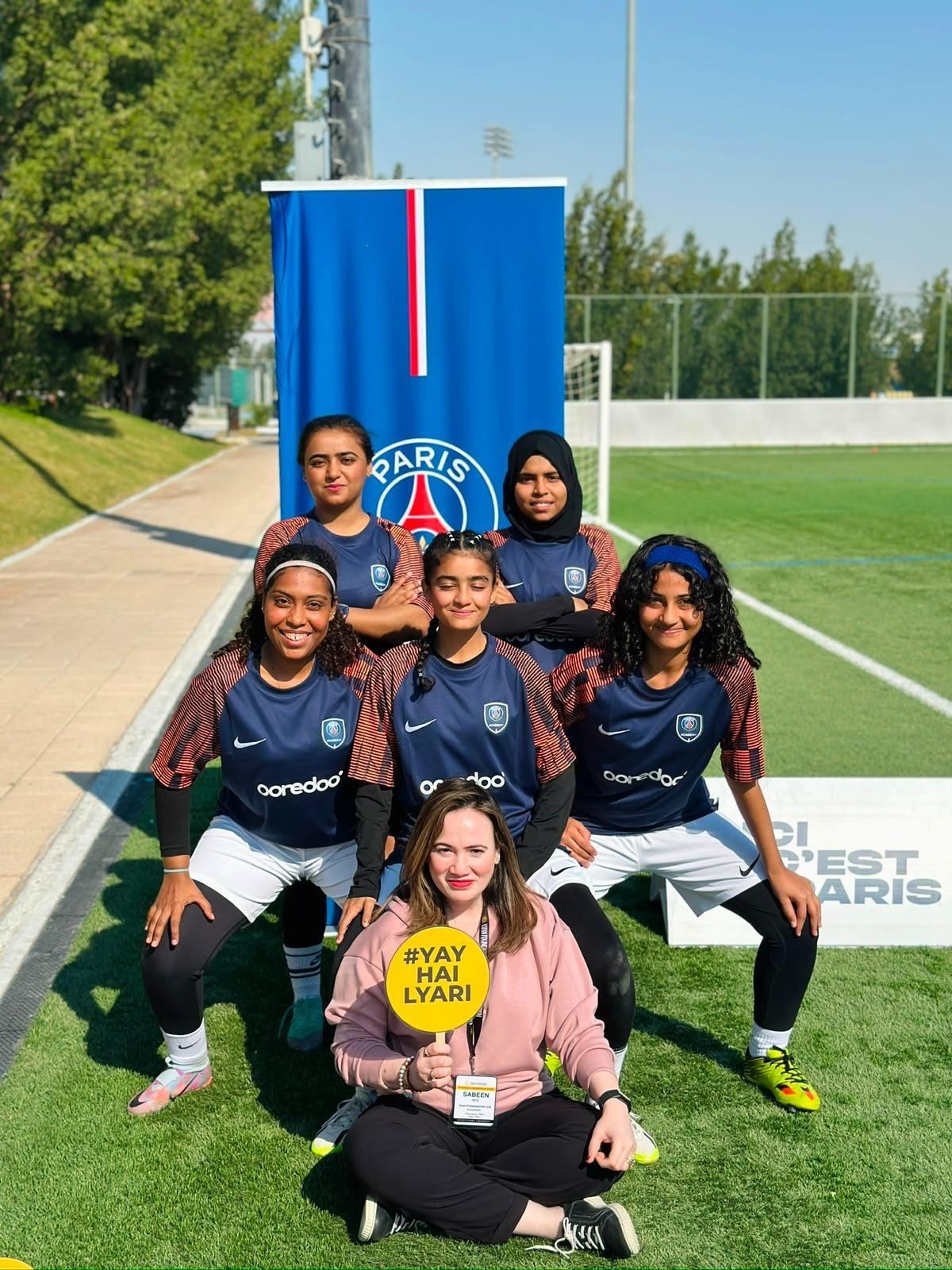
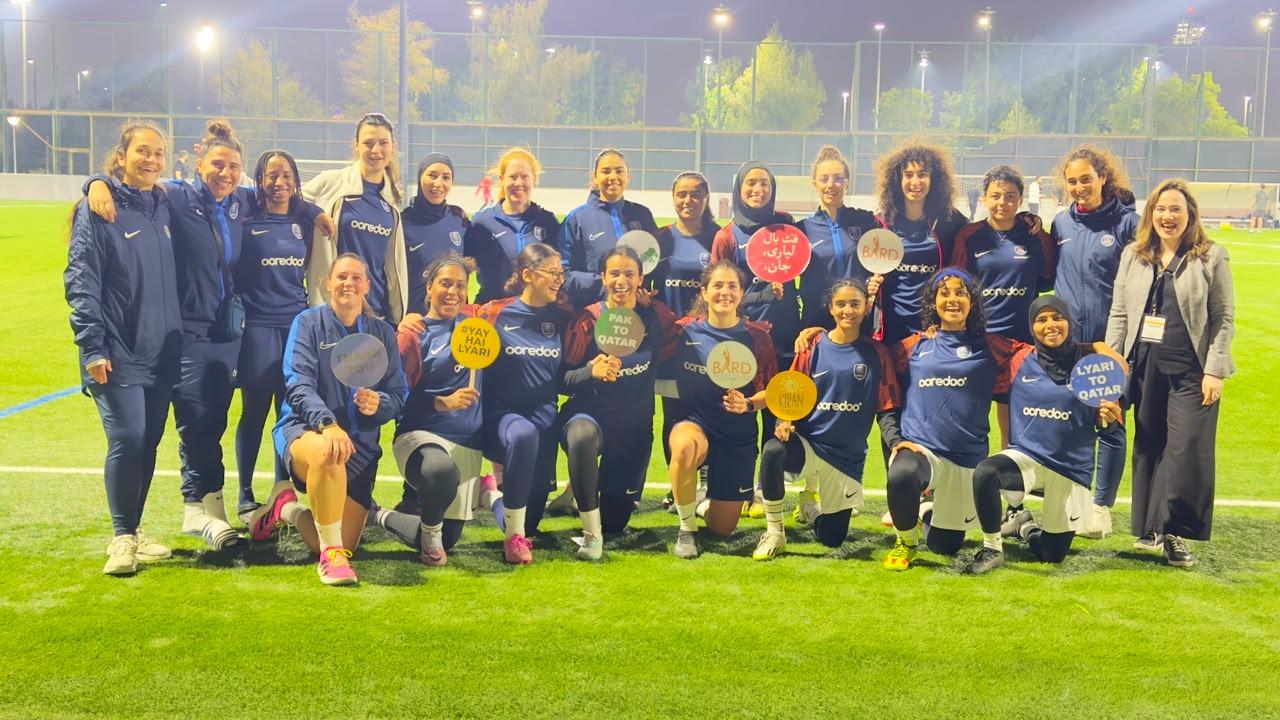
Five young women from Lyari have broken through barriers that once seemed immovable, challenging social expectations and proving that football, modesty and self-expression can coexist. Through determination, sacrifice and relentless hard work, they earned opportunities to train at the prestigious Paris Saint-Germain (PSG) Academy in Qatar, opening doors that once appeared firmly shut.
Most come from humble backgrounds where opportunities are scarce and dreams often yield to economic hardship. Their journeys might have followed a similar path were it not for the support of the Kiran Foundation, founded by educationist Sabina Khatri, which focuses on the academic, emotional and personal development of children in Lyari.
For these young women, football became more than a sport. It became a vehicle for confidence, purpose and transformation.
Breaking the stereotype
For Syeda Umme Zunaira Shah, now a national-level footballer, the greatest challenge was confronting the belief that football belongs exclusively to men.
“When you are a girl stepping into a male-dominated arena, you have to work twice as hard just to be taken seriously,” she said to MNTV.
Access to proper training facilities, finding girls’ teams to compete against and earning respect on the pitch were constant challenges. Rather than responding to skepticism, she focused on letting her performances speak for themselves.
Growing up in Lyari, Shah watched football dominate neighborhood life.
While boys filled the streets and local grounds, she rarely saw girls playing. Instead of discouraging her, that absence became motivation.
“At 11 years old, I decided I wanted to step onto the pitch and prove that girls could play with the same passion, skill and dominance,” she said.
Her determination eventually led her to national championships and international competitions, including the Norway Cup, AFC competitions, the South Asian Football Federation Championship and the Türkiye Friendly Series.
The success gradually transformed public perceptions.
“In the beginning there were whispers and resistance,” Shah said. “But winning has a way of changing people’s perspectives.”
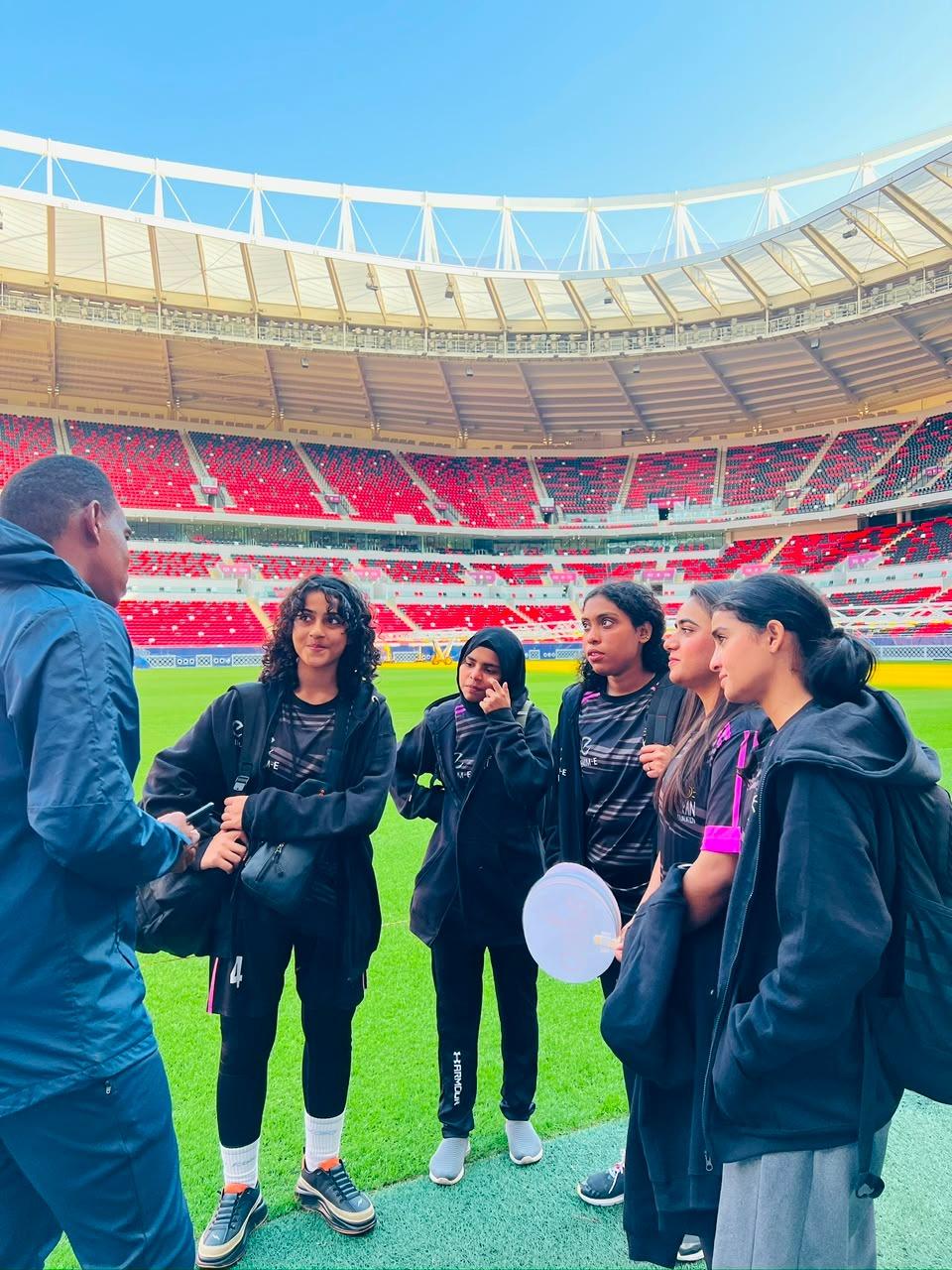
Training at PSG Academy in Qatar marked a turning point.
“It introduced me to the science of football — the discipline, tactics, nutrition and mental strength required at the highest level,” she said. “It made me a more confident, strategic and resilient player.”
Today, Shah’s message to girls from disadvantaged backgrounds is simple.
“Do not let your circumstances define your future,” she said. “The toughness you develop through struggle can become your greatest strength. If a girl from Lyari can train with PSG and wear Pakistan’s colors, then others can achieve their dreams too.”
Finding strength through football
For Muqaddas Abdul Rasheed, football became a source of healing.
“As a child, I experienced emotional trauma and struggled with fears and insecurities,” she said. “Football became my coping mechanism and a source of strength.”
Each time she stepped onto the field, she found confidence and purpose.
Although football is still widely viewed as a boys’ sport, she refused to allow stereotypes to dictate her future. Her journey included battles with self-doubt, criticism and a significant ankle injury before a national championship.
She persevered.
Rasheed went on to compete in the 7th Women’s National Championship organized by the Football Federation of Pakistan and later earned the opportunity to train at PSG Academy in Qatar.
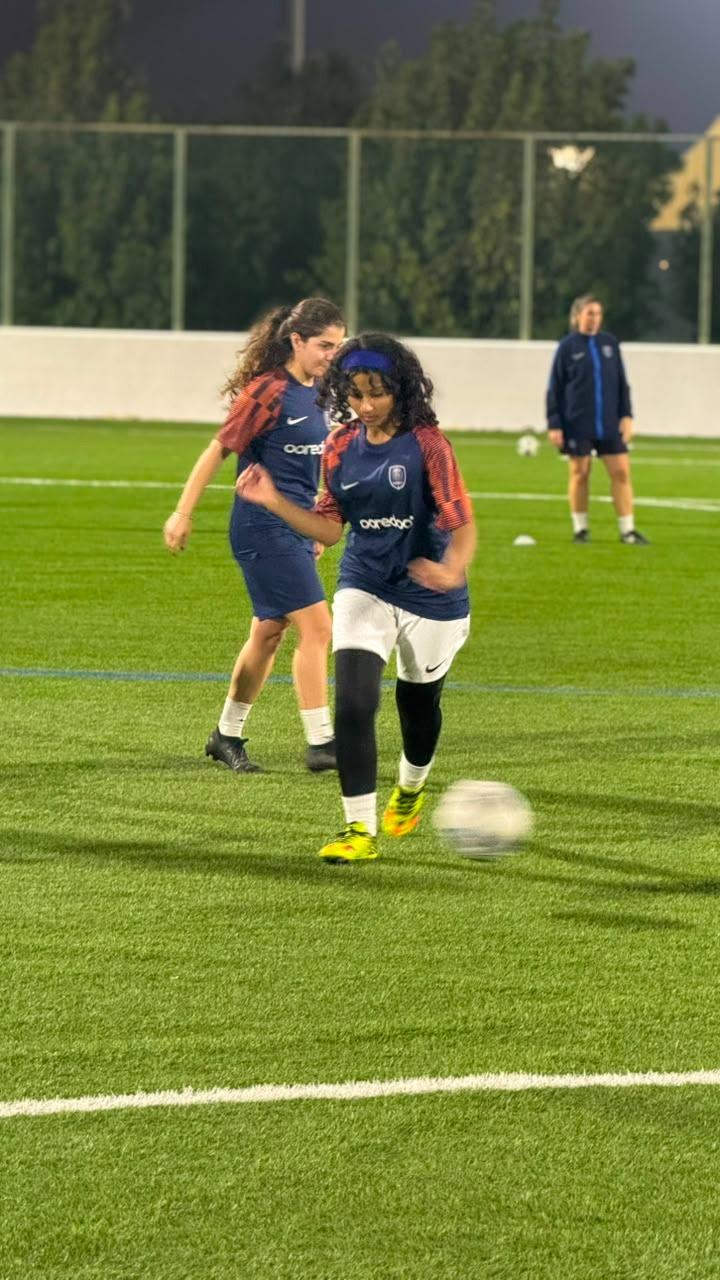
She credits both her family and the Kiran Foundation for helping her succeed.
“The foundation gave me opportunities, encouragement and a safe environment where I could grow,” she said.
While some relatives questioned her choices, attitudes changed after her achievements gained recognition.
“Many of the same people who doubted me became proud of what I accomplished,” she said.
The experience taught her that consistency and perseverance are the strongest responses to criticism.
“Success is not about avoiding difficulties,” she said. “It is about continuing despite them.”
Her ambitions now extend beyond personal achievement.
She hopes to contribute to the growth of women’s football in Pakistan and inspire girls who hesitate to pursue sports because of social barriers.
“I want to become an example,” she said. “Every challenge you overcome makes you stronger. I am living proof that dreams can become reality when you refuse to give up.”
Rasheed said one lesson from her childhood continues to guide her life. At Kiran Foundation, students often recited a simple phrase: “I want to make a difference.”
“Those words became part of who I am,” she said. “Today I want to help other children find hope, confidence and the courage to dream.”
Proving doubters wrong
Noor Fatima’s story reflects a similar journey of perseverance.
“Lyari is a place where you see struggle everywhere, but you also see people who never stop dreaming,” she said.
When she began playing football, people often told her that girls could not succeed in the sport. Her family initially worried about how society would react and whether she could balance football with academics.
Rather than arguing, she focused on results.
Supported by the Kiran Foundation since third grade, she continued training and eventually earned selection for the PSG Academy program in Qatar.
“People said, ‘You’re a girl, you can’t do it,'” she recalled. “But I proved myself through actions, not words.”
One of her greatest tests came when her grades declined during ninth grade. Her mother suggested she quit football and focus on school.
Instead, Fatima promised she could manage both.
“I worked hard and proved myself in studies and football,” she said.
Today, she sees football as a responsibility larger than herself.
“I’m not just playing for me,” she said. “I’m playing for every girl who has been told she cannot play football.”
Her advice is straightforward: believe in yourself, stay committed and do not quit when challenges arise.
“If I can go from Lyari to Qatar,” she said, “so can you.”
A dream without a roadmap
For Saiqa Faisal Chandio, success began with a dream and faith.
Since childhood, she imagined traveling abroad, though she had no clear plan for how it would happen.
“People always asked me what my roadmap was,” she said. “The truth is, I didn’t have one.”
Even her mother questioned how she would achieve such an ambitious goal.
“I told her, ‘I don’t know how, but I know I will,'” Chandio recalled.
Football became a defining part of that journey.
The sport transformed a shy, uncertain girl into a confident athlete, teaching leadership, teamwork and resilience.
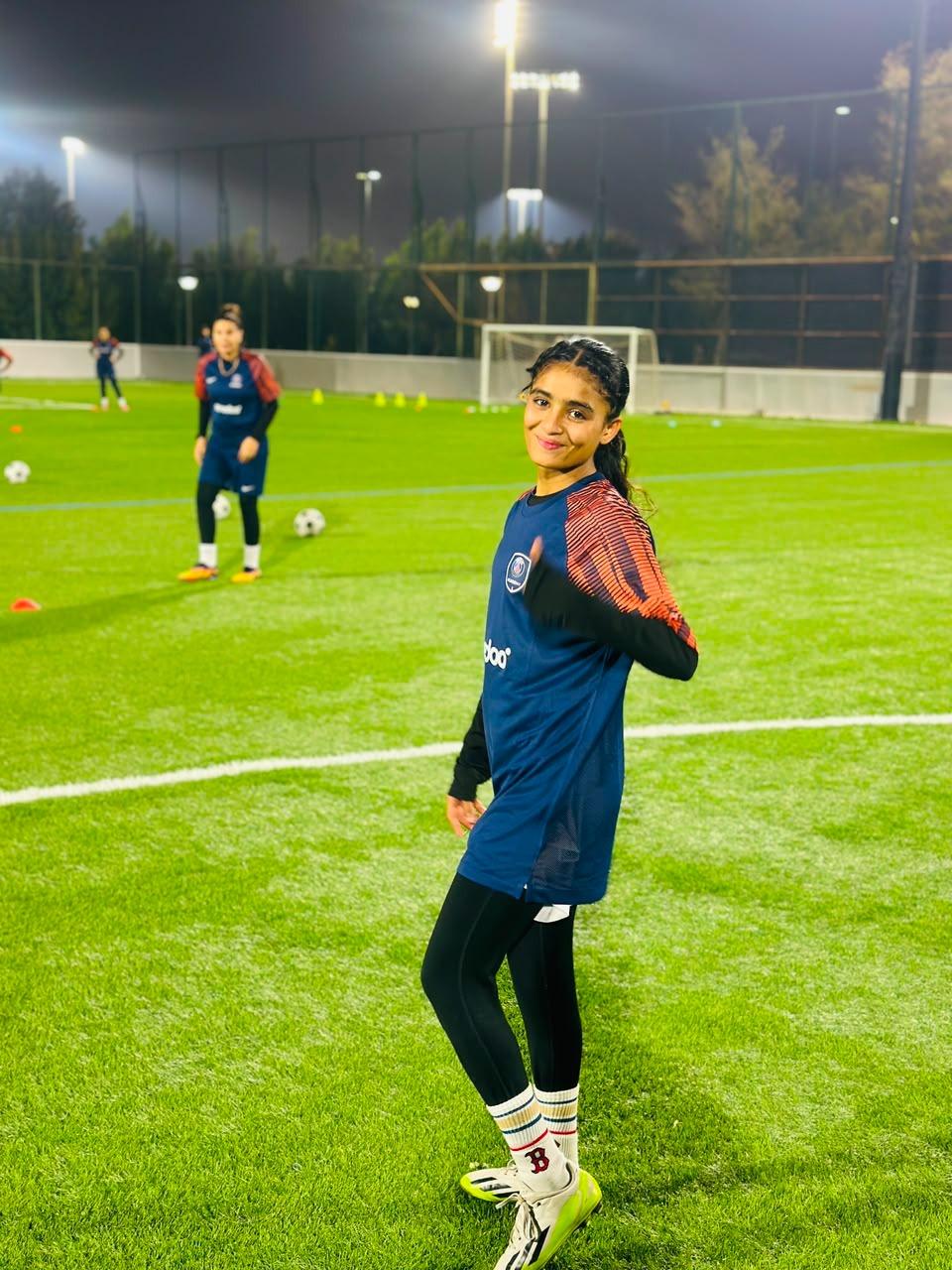
As with many girls in traditional communities, she faced resistance from relatives and concerns from her parents. Rather than confronting them, she chose to earn their trust through discipline, responsibility and consistency.
The support she received from Kiran Foundation helped her discover opportunities she never imagined possible.
Eventually, years of effort led to a moment that once seemed unreachable: traveling to Qatar.
“Standing there, I remembered everyone who had asked how I would ever leave Pakistan,” she said. “That was my answer.”
For Chandio, football represents proof that dreams can become reality.
“Success doesn’t always begin with a plan,” she said. “Sometimes it begins with belief, hard work and the courage to keep moving forward.”
Let success speak
Unlike some of her teammates, Kainat Baloch did not initially receive strong family support.
Her father allowed her to play football reluctantly and often worried about criticism from neighbors and relatives.
“I was constantly being told to quit,” she said.
Financial difficulties forced her to leave school at one stage, but joining Kiran Foundation’s football program encouraged her to continue her education while pursuing sports.
Over eight years, football carried her from local grounds in Lyari to national competitions and eventually to Qatar.
Even after being selected for PSG Academy training, convincing her father to allow the trip remained a challenge.
“It took a lot of persuasion,” she said.
When she returned from Qatar, however, perceptions changed dramatically.
“The same neighbors who questioned my family were proud that I was the only girl from our area to train and play in Qatar,” she said.
The experience reinforced an important lesson.
“The best answer to negativity is performance,” she said. “Answer with your talent, not arguments.”
Baloch dreams of playing professionally and encourages young athletes to remain committed to their goals.
“Stay loyal to your sport and your sport will stay loyal to you,” she said. “And don’t make noise until you succeed. Work hard in silence and let your success make the noise for you.”

Creating opportunities
According to Sabeen Naz, head of empowerment and enrichment at Kiran Foundation, creating opportunities for girls requires more than providing sports facilities.
The organization works to ensure a safe, structured and disciplined environment where parents feel comfortable allowing their daughters to participate. It also helps girls build confidence and develop a sense of identity.
“We reinforce the idea that sport, modesty and self-expression can coexist without conflict,” Naz said.
Girls are encouraged to wear culturally appropriate sports attire that allows them to participate comfortably while maintaining dignity.

“Our work is about creating a mindset shift,” she said. “We want girls to move from waiting for opportunities to creating opportunities.”
For children growing up in challenging environments such as Lyari, that shift can be transformative.
The foundation aims to provide a space where students feel safe, valued and empowered to pursue both academic and athletic ambitions. When they demonstrate discipline and commitment, the organization helps connect them with larger national and international platforms.
For five young women from Lyari, that support helped turn distant dreams into reality.
Their journeys from neighborhood streets to international football training grounds have become powerful reminders that talent can flourish anywhere, and that determination, faith and opportunity can carry even the most unlikely dreams far beyond the boundaries of home.
Related posts



Read also