India closes Islamic schools amid mounting pressure on Muslims
Authorities in northern India have closed hundreds of Islamic schools, a move rights groups say targets Muslims and threatens minority education
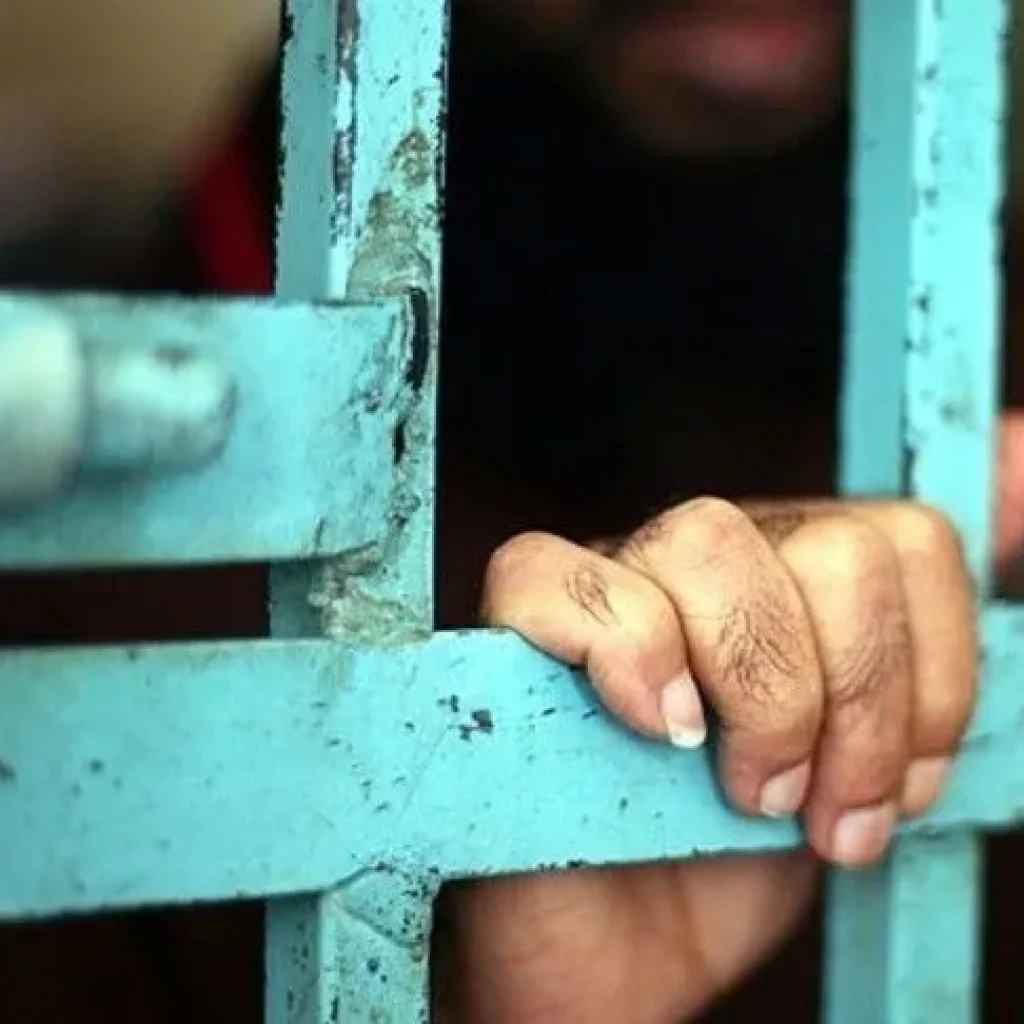
© File Photo
NEW DELHI, India (MNTV) — Authorities in India have sealed another Islamic school, known locally as a madrasa, intensifying a campaign that has already forced the closure of hundreds of such institutions and drawn warnings from rights groups about its impact on Muslim education.
The latest closure took place in Hamirpur district, where officials shut down an institution named after the Sufi saint Sheikh Abdul Qadir Jilani. According to Clarion India, authorities cited the absence of government recognition papers after the madrasa’s management failed to provide documentation within a deadline.
Officials described the move as a routine enforcement of education regulations. But Muslim residents say the crackdown is carried out selectively. “Our children were learning here peacefully. Education is being snatched away from poor Muslim children in the name of documents,” said Mohammad Irfan, a parent in Hamirpur.
The closure is part of a wider drive in northern India’s Uttar Pradesh state, where authorities have sealed or demolished hundreds of mosques, shrines, and Islamic schools.
Reports indicate that in just one year, more than 500 madrasas were closed in districts including Shravasti, Bahraich, Maharajganj, and Siddharthnagar. Community leaders argue that institutions run by other faiths have not faced similar action.
Rights activists say the campaign undermines constitutional protections, including the right to education and the right of minorities to manage their own institutions. “If rules are really the issue, then action should be equal for all. But only Muslims are suffering,” said Khalid Ansari, an activist in Lucknow.
Legal experts also point to potential violations of Articles 25 and 30 of India’s Constitution, which guarantee freedom of religion and the right of minorities to run educational institutions. “When the state seals madrasas without providing alternatives, it undermines both educational access and minority rights,” said Aftab Alam, a lawyer at the Allahabad High Court.
For many Muslim families, madrasas serve not only as religious schools but also as affordable centers for basic education in reading, writing, and mathematics. With hundreds now shuttered, thousands of children face disruption to their studies.
Community leaders view the campaign as part of a broader effort to marginalize Muslims. “They are bulldozing mosques, demolishing shrines, and sealing schools. This is an attempt to erase Muslim identity,” said Maulana Rahmat Ali, a local imam.
Related posts


Read also