EU funds anti-measles drive in Bangladesh amid public health risks
$204,400 EU grant backs vaccinations, hygiene kits, and cash aid to curb measles spread and ease burden on vulnerable families
© File Photo
DHAKA, Bangladesh (MNTV) — The European Union has allocated 175,000 euro ($204,400) in humanitarian funding to support measles prevention efforts in Bangladesh, targeting vulnerable communities across multiple regions as health authorities work to limit outbreaks.
The funding will be channeled through the Bangladesh Red Crescent Society to sustain vaccination campaigns and expand prevention measures. These include distributing hygiene kits, providing medical equipment to healthcare facilities, and offering direct cash support to families affected by illness-related costs such as transport to clinics or income loss from caregiving.
The initiative covers a wide geographic spread, including Barisal, Chittagong, Dhaka, Khulna, Rajshahi, Sylhet, Rangpur, and Mymensingh, reflecting concerns about measles transmission in both urban and rural populations.
Public health officials have long warned that gaps in vaccination coverage, combined with population density and limited healthcare access in some areas, can accelerate outbreaks of preventable diseases like measles.
The funding is part of the EU’s broader contribution to the Disaster Response Emergency Fund managed by the International Federation of Red Cross and Red Crescent Societies, a global mechanism designed to release rapid funding for emergency health and disaster responses.
The EU remains one of the largest humanitarian donors to Bangladesh, with more than 23 million euro ($26.8 million) allocated in 2026 alone. Of this, 16.4 million euro ($19.1 million) is directed toward life-saving assistance for Rohingya refugees—most of whom are housed in camps in Cox’s Bazar—and host communities, while 7 million euro ($8.1 million) supports disaster preparedness and resilience programs.
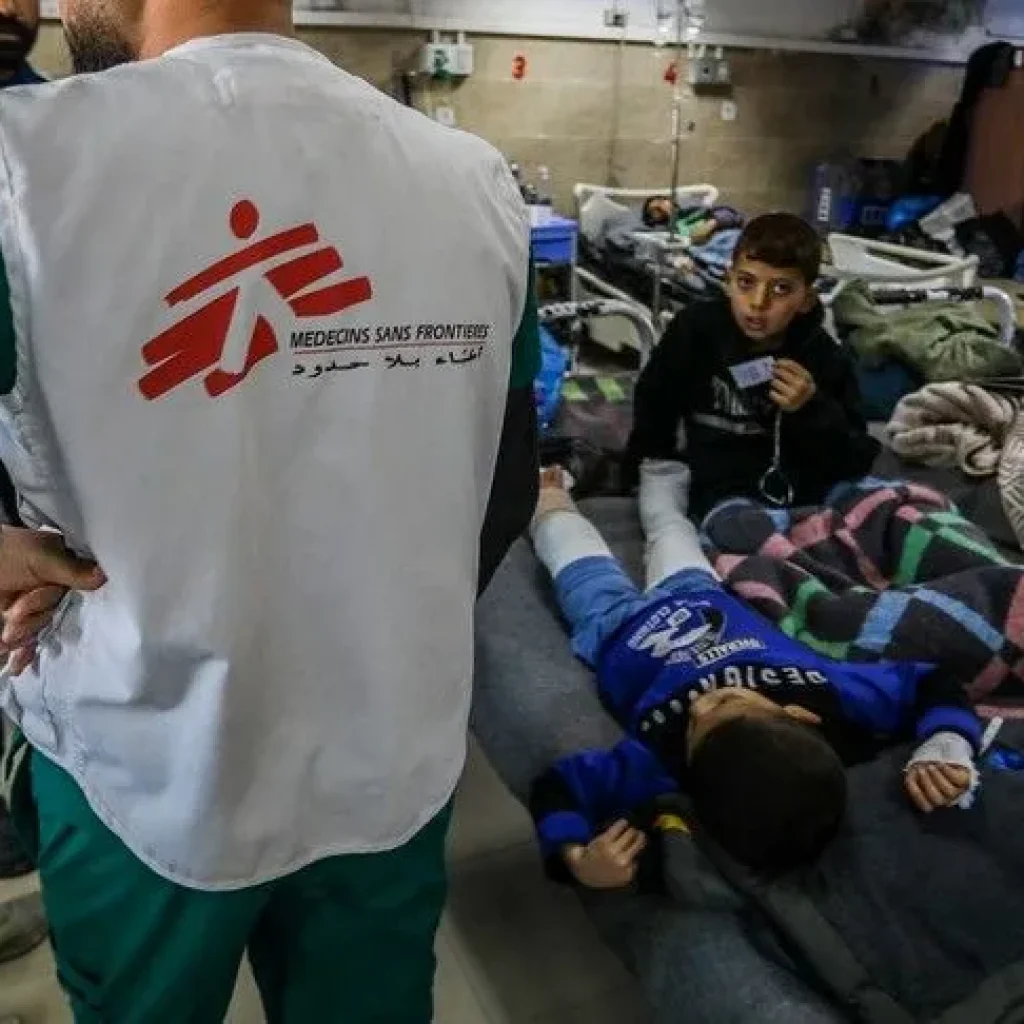
Measles, a highly contagious viral disease, continues to pose a threat in regions with uneven immunization coverage. While preventable through vaccines, outbreaks can strain already fragile health systems, particularly in countries dealing with overlapping humanitarian pressures such as displacement, poverty, and climate-related disasters.
EU humanitarian assistance is delivered through its civil protection and aid operations network, which provides support globally based on need. The bloc, alongside its member states, is considered the world’s largest humanitarian donor, with programs aimed at reducing suffering and strengthening resilience in crisis-affected populations.
The Disaster Response Emergency Fund, established in 1979, enables national Red Cross and Red Crescent societies to access immediate funding during emergencies, with donor contributions replenishing the pool after each deployment.


Read also