
Child suicides across Indonesia reveal failures in psychological protection
Findings show that cases stem from vulnerability linked to bullying, parental neglect, economic hardship and exposure to online games
JAKARTA, Indonesia (MNTV) – Cases of suicide among children across Indonesia, including a recent incident in Ngada, East Nusa Tenggara, have laid bare persistent shortcomings in the state’s ability to provide psychological protection for minors, prompting renewed calls for stronger prevention and early-intervention effort, reports The Jakarta Post.
In January 2026 alone, at least three suicide cases involving children were reported, including the one in Ngada on Jan. 29. The 10-year-old victim, identified only by the initials YBS, reportedly took his own life as he was unable to afford a notebook and a pen.
His widowed mother, who supports five children, said she had no money when he asked for less than 10,000 rupiah (60 cents) to buy school supplies.
On Jan. 14, a 16-year-old girl died by suicide in Ogan Komering Ulu regency, South Sumatra. Earlier that month, a woman and her five-year-old child were also found dead in an apparent suicide in Kebumen, Central Java, leaving another child as a witness.
According to the Indonesian Child Protection Commission (KPAI), Indonesia records the highest number of child suicide cases in Southeast Asia, with the latest incidents bringing the total to 115 cases since 2023.
KPAI commissioner Diyah Puspitarini said the tragedies signaled what she described as a child suicide emergency. “We have to remember that these are not merely numbers, but the lives of our country’s future generation.”
The KPAI’s findings show that many cases stem from psychological vulnerability linked to bullying, parental neglect, economic hardship and exposure to online games.
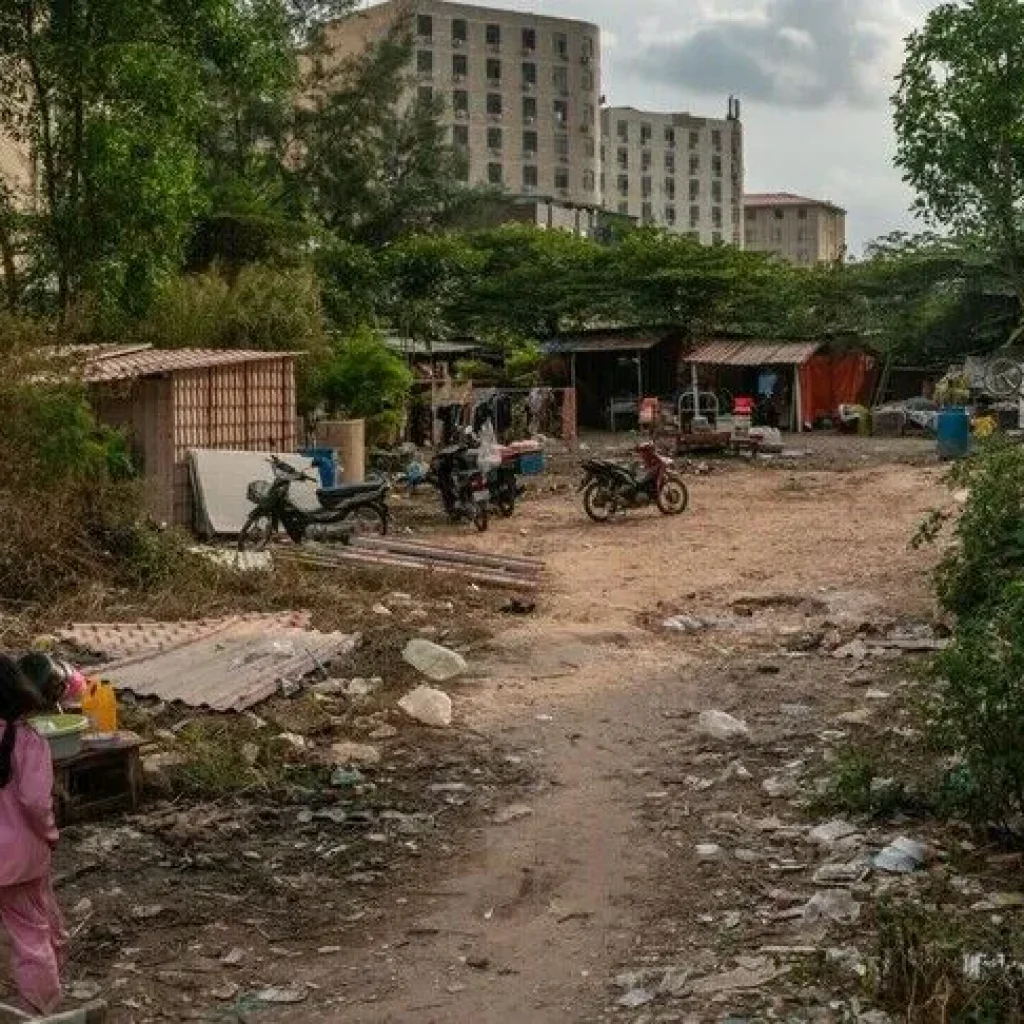
Diyah also pointed out that the cases reflected the state’s failure to fulfill children’s basic rights, including proper care, health and welfare, as well as access to education, particularly for families living in extreme poverty.
“The government needs to evaluate how it delivers assistance for vulnerable children and strengthen existing community-based approaches,” she said, citing programs such as family learning centers and outreach initiatives by religious leaders and local health facilities.
Calling three child suicide cases in a single month “already too many”, child psychologist Sani Budiantini said poverty and parental neglect often exposed children to layered pressures, with warning signs or “cries for help” frequently detected too late.
She argued the state bore responsibility for failing to intervene early, particularly at the regional level. “RT and RW [neighborhood and community units] should be able to identify poor families, provide subsidies, mobilize assistance and ensure access to mental health services,” Sani said.
She also emphasized schools’ crucial role in protecting children’s mental health, urging counseling services to adopt a more proactive approach. “If parents are facing economic hardships, schools should step in to embrace the child and provide assistance, both materially and emotionally,” she added.
Amnesty International Indonesia executive director Usman Hamid highlighted what he described as an irony in state budget priorities, arguing that vulnerable groups continued to be sidelined.
“The state should not only be present in grand narratives of trillion-rupiah programs while being absent when a child is driven to take his own life.”
Elementary and Secondary Education Minister Abdul Mu’ti acknowledged the case as a moment for reflection and evaluation. “This case is a lesson for all parties, from parents and communities to teachers, religious leaders and the schools ministry, on the importance of attention, religious values and family resilience for children,” he said.

Read also


