45 minutes ago
Bollywood film’s teaser sparks outrage over portrayal of Kashmir pellet-gun victims
A teaser for Ajay Devgn action film 'Chauhaan' has drawn sharp criticism from Kashmiri politicians and activists
NEW DELHI (MNTV) — A teaser for Ajay Devgn’s upcoming film Chauhaan has ignited outrage in Indian-administered Kashmir after it appeared to minimize the toll of pellet-gun injuries inflicted on protesters over the past decade, reviving a long-running debate over how Hindi cinema portrays the region’s conflict.
The film, directed by Neeraj Yadav and backed by Jio Studios and Colour Yellow Productions, is set for release on October 1, 2027.
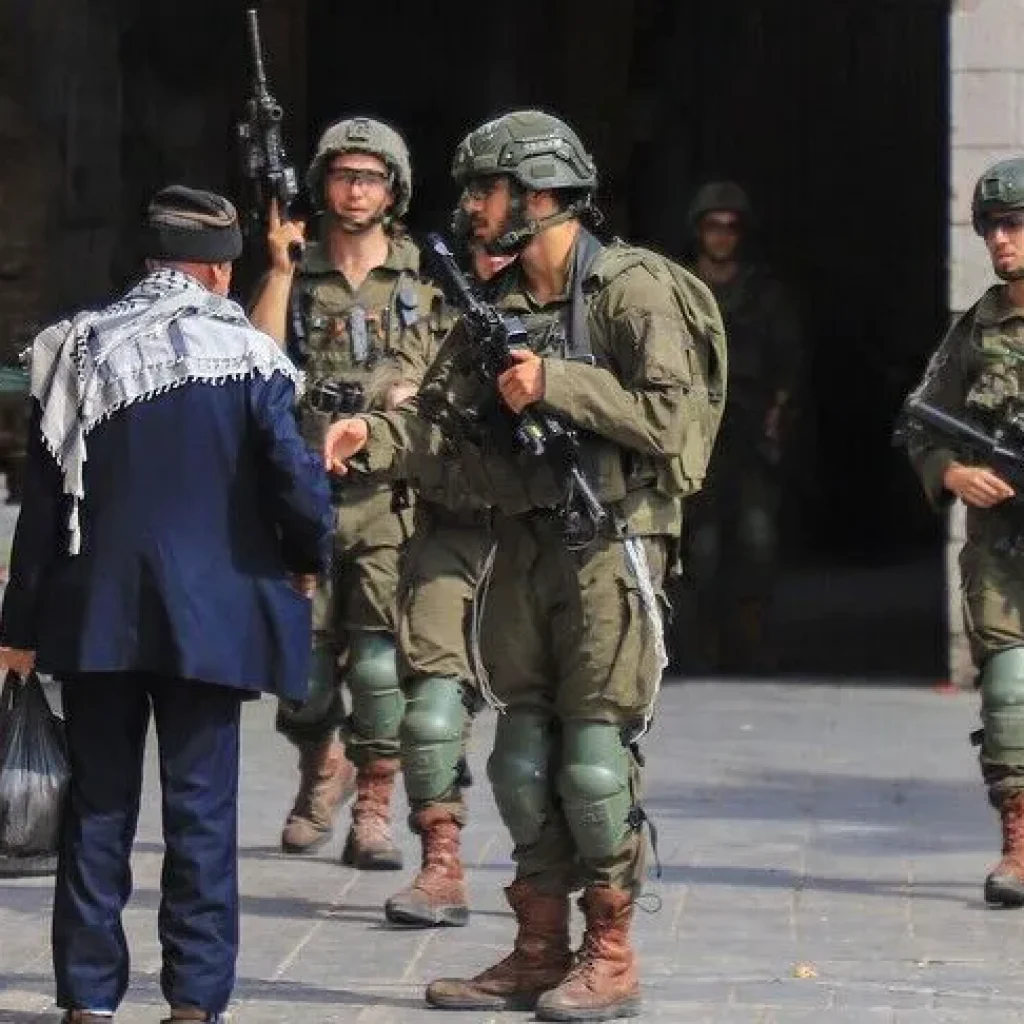
Its 144-second teaser restages a 2018 demonstration in Pulwama, Jammu and Kashmir, showing Indian security forces using pellet shotguns, tear gas and water cannons against stone-throwing protesters.
Over these images, Devgn’s voiceover describes the pellet and water-cannon response as causing only “limited damage” and offering mere “temporary solutions.”
The narration goes on to say that after 75 years, an “answer is on its way” for the protesters.
Weapon behind outrage
Pellet-firing shotguns have been used as a crowd-control weapon in Kashmir since 2010, when they were introduced during unrest following the Machil fake-encounter killings and the death of 17-year-old student Tufail Mattoo.
Use of the weapon intensified during the 2016 unrest that followed the killing of militant Burhan Wani.
The 12-gauge cartridges scatter hundreds of metal pellets in unpredictable directions, and rights groups — including Amnesty International, which has called the weapon “cruel,” “inaccurate and indiscriminate” — say it cannot be used in compliance with international standards for policing protests.
The UN Human Rights Council has similarly named pellet guns among the most dangerous weapons deployed against demonstrators anywhere.
Estimates of the toll vary by source, but rights researchers have documented thousands of pellet injuries in Kashmir since 2010.
The Polis Project recorded 2,942 pellet injuries between July 2016 and February 2019 alone, including 1,459 eye injuries and 139 cases of permanent vision loss.
A 2022 clinical study in the Indian Journal of Ophthalmology, examining 777 patients with pellet-related eye injuries, concluded that while the weapon is less often fatal than conventional firearms, it causes significant and lasting ocular damage.
Among the individual cases that have come to define the issue: Hiba Nisar, who was 18 months old when pellets struck her in the eye inside her own home during 2018 protests outside, and Insha Mushtaq, blinded at age 14 by pellets fired while she looked out a window, an injury that left her with more than 100 pellet wounds and severe facial fractures.
Kashmiri politicians and activists react
National Conference MP Aga Syed Ruhullah Mehdi called the teaser “offensive,” saying it dismissed tear gas, water cannons and pellet guns as “ineffective measures” before introducing the hero.
He said that for those who lost their eyesight or still carry pellets lodged in their bodies, and for the families who continue to bear those scars, this is not an action sequence or cinematic backdrop but lived trauma, and he urged the filmmakers to withdraw the teaser and revisit the history it draws on.
National Conference spokesperson Imran Nabi Dar was more pointed, saying the teaser amounted to propaganda capable of inflaming tensions in Kashmir and accusing the filmmakers of mocking children and young people who had lost their eyesight — some their lives — while reopening wounds for families still living with the consequences.
Part of a larger pattern, critics say
Neither Devgn nor the film’s producers have issued a public response to the criticism.
Film critics and Kashmiri commentators say the backlash reflects a broader shift in how Hindi cinema has portrayed the region in recent years — moving from earlier depictions centered on Kashmir’s landscapes and culture toward narratives built around conflict and militancy that critics say increasingly frame Kashmiris as antagonists while leaving little room for civilian experience.
For many of the film’s critics, the objection isn’t only to a single teaser but to a pattern in which personal tragedy — funerals, injuries, decades of trauma — is converted into commercial action drama while the underlying human rights record goes largely unaddressed.



Read also