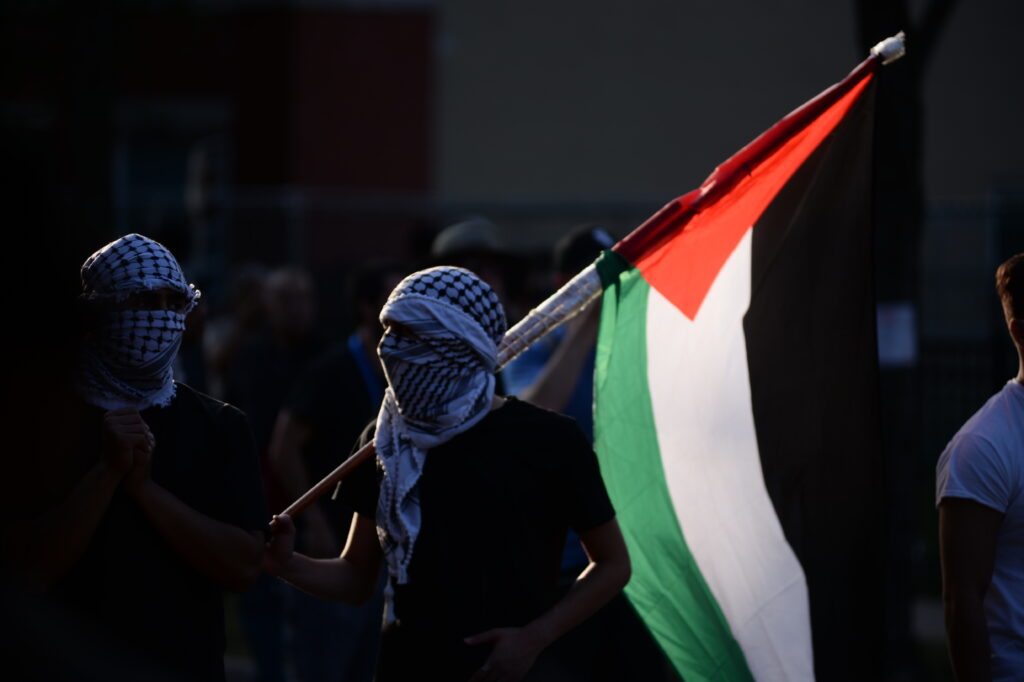
Anti-Muslim violence spiked after BJP win in eastern India: Report
Civil rights group says mosques, Muslim homes, meat markets and businesses were targeted across eastern Indian state after election results
© File Photo
NEW DELHI, India (MNTV) — A civil rights group in India has released a report documenting dozens of alleged attacks targeting Muslims and Muslim-owned businesses in the eastern state of West Bengal following the Hindu supremacist Bharatiya Janata Party’s (BJP) victory in recent state assembly elections.
The report, published by the Association for Protection of Civil Rights, recorded incidents between May 4 and May 7 across multiple districts of West Bengal, a politically sensitive state bordering Bangladesh with a large Muslim population.
According to the findings, at least 34 incidents of violence and intimidation were documented across eight districts, including attacks on mosques, Muslim homes, meat shops, cattle markets and small businesses.
The report said at least two people were killed during the unrest, including a Muslim man who allegedly died while trying to protect a mosque in the northern district of Cooch Behar near the Bangladesh border.
The report comes amid growing scrutiny of anti-Muslim rhetoric and vigilante violence linked to Hindu nationalist politics in India. Rights advocates have repeatedly warned that election periods in several Indian states have increasingly been accompanied by communal polarization, hate campaigns and economic targeting of Muslim communities.
APCR said districts in northern and southern parts of West Bengal saw some of the highest levels of violence. Cooch Behar and North 24 Parganas districts each recorded seven incidents, while South 24 Parganas and the Kolkata metropolitan region each recorded five incidents.
The organization says that Muslim-owned properties, religious sites and livelihoods were deliberately targeted in multiple locations. It documented attacks on at least three mosques, vandalism of dozens of Muslim homes and assaults on Muslim shopkeepers and street vendors.
Among the incidents detailed in the report were alleged bulldozer-led demolitions of Muslim-owned hotels in Barasat, attacks on Muslim residences in rural villages, and assaults during religious nationalist processions where participants reportedly chanted “Jai Shri Ram,” a Hindu religious slogan that rights groups say has increasingly been weaponized during anti-Muslim mobilization in parts of India.
The report also documented attacks linked to the meat trade and cattle economy, sectors where many Muslims work. It stated that cattle markets were forcibly shut down in several areas while meat shops and Muslim-run restaurants faced vandalism and intimidation.
APCR categorized the incidents as including murder, assault, intimidation, property destruction, forced demolitions and what it described as “economic targeting” aimed at undermining Muslim livelihoods.
The report further alleged attempts to symbolically erase Muslim identity in some areas through renaming campaigns targeting roads and public sites associated with Islamic or Mughal-era names.
In one incident in Howrah district near Kolkata, the report said Muslim women students were allegedly prevented from wearing hijabs at a college campus.
Civil liberties groups and international rights organizations have repeatedly raised concerns about rising hostility toward Muslims under the broader influence of Hindutva, the Hindu extremist ideology associated with Prime Minister Narendra Modi’s party.
APCR said the incidents included in the report were gathered through local documentation efforts because many cases received limited attention in mainstream media coverage. The organization said the pattern of incidents reflected a broader climate of hostility rather than isolated clashes.

Read also