
Rohingya refugee killed in landmine blast near Bangladesh border
Latest explosion near Myanmar frontier has intensified fears among refugees and border communities, with at least four people killed in similar incidents over past month
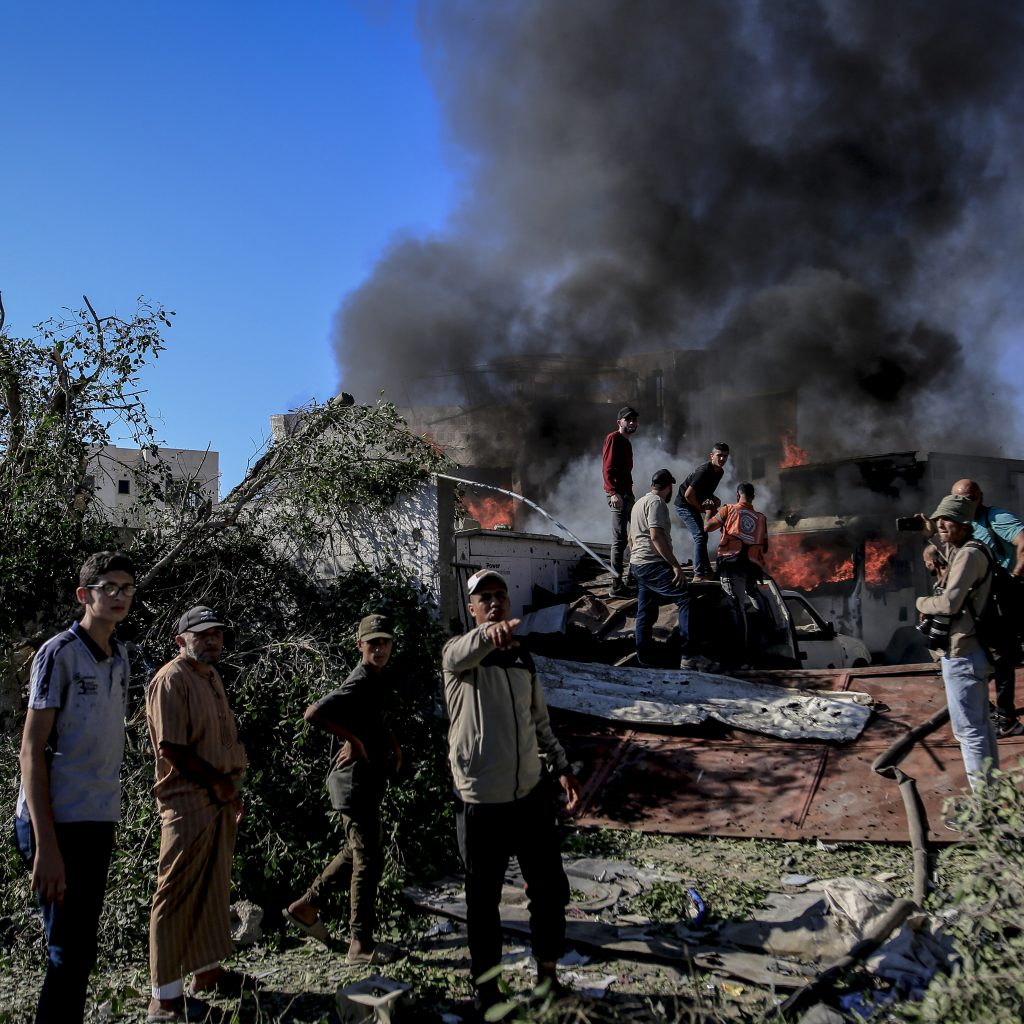
© File Photo
DHAKA, Bangladesh (MNTV) — A Rohingya refugee was killed in a landmine explosion near the Bangladesh-Myanmar border, underscoring the growing dangers posed by explosive remnants and suspected minefields that continue to threaten civilians living and working along the frontier.
The victim, Abdul Khaleq, 30, was a resident of Kutupalong, the sprawling refugee settlement in Cox’s Bazar that houses hundreds of thousands of Rohingya who fled violence in neighboring Myanmar. He was fatally injured Tuesday morning near the Ghumdhum border area in Bandarban district.
According to police and local residents, Khaleq was near the Rezu Amtali area, close to the frontier with Myanmar, when the explosion occurred around 9 a.m. The blast severed one of his legs and critically injured the other. Co-workers rushed him to an emergency hospital in Kutupalong, where he later died from his injuries.
Residents living near the border say fear has become part of daily life. They allege that landmines have long been scattered across areas inside Myanmar adjacent to Bangladesh, exposing farmers, day laborers and refugees to constant danger whenever they venture near the frontier. The risks become even greater during the monsoon season, when heavy rains and shifting soil can obscure hazardous areas.
The latest death is part of a disturbing pattern. At least four people have been killed in separate landmine explosions along the Bangladesh-Myanmar border over the past month, fueling anxiety among communities that depend on nearby farmland, orchards and jhum fields — a traditional form of shifting cultivation practiced in the region.
The recurring incidents have also highlighted the precarious reality facing many Rohingya refugees, who remain caught between displacement in Bangladesh and insecurity along the border with Myanmar, where conflict in Rakhine State continues to generate fears of further violence and instability.
Related posts


Read also


