France, China push diplomacy as war with Iran threatens regional spillover
Top diplomats call for de-escalation amid mounting strikes, energy attacks and nuclear tensions
© Anadolu Agency
PARIS/BEIJING (MNTV) — France and China have intensified diplomatic engagement as fighting linked to the United States and Israel’s war on Iran spreads across the Middle East, raising fears of a broader regional conflict.
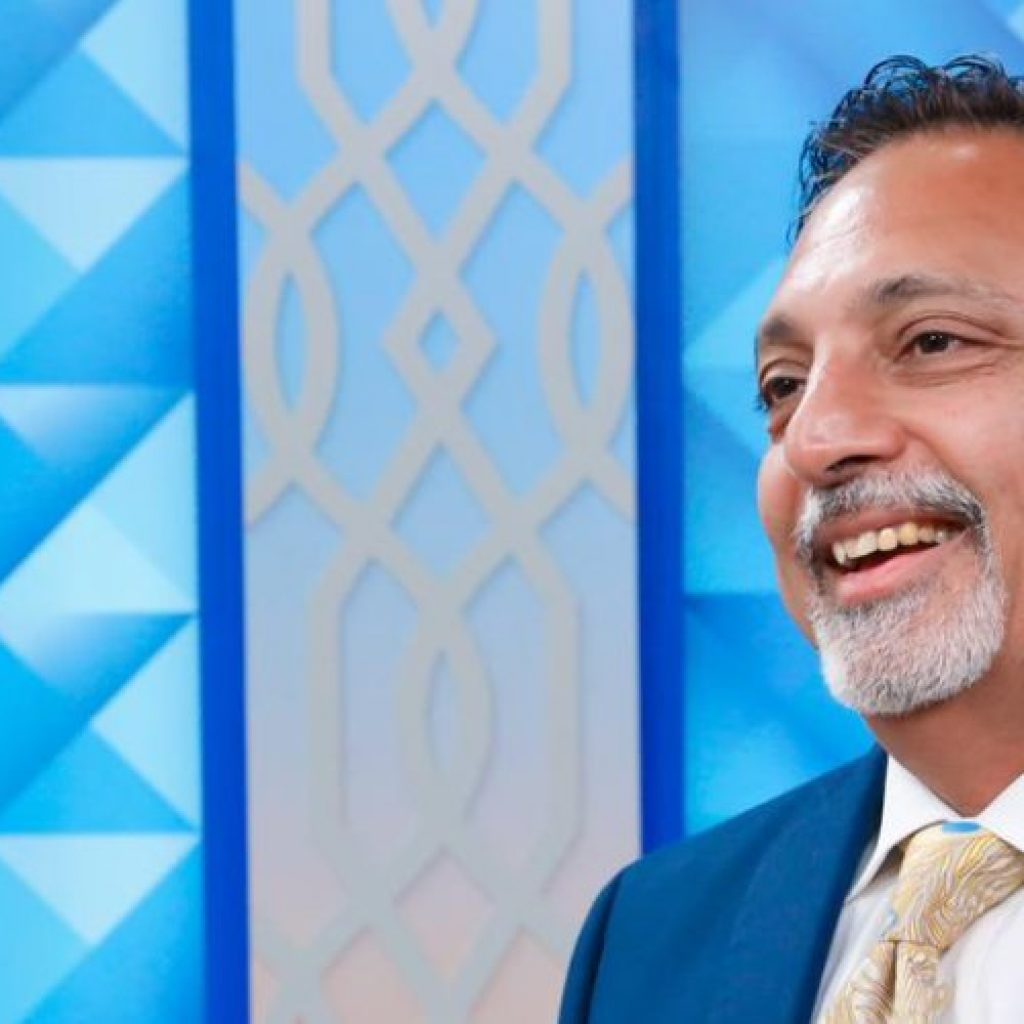
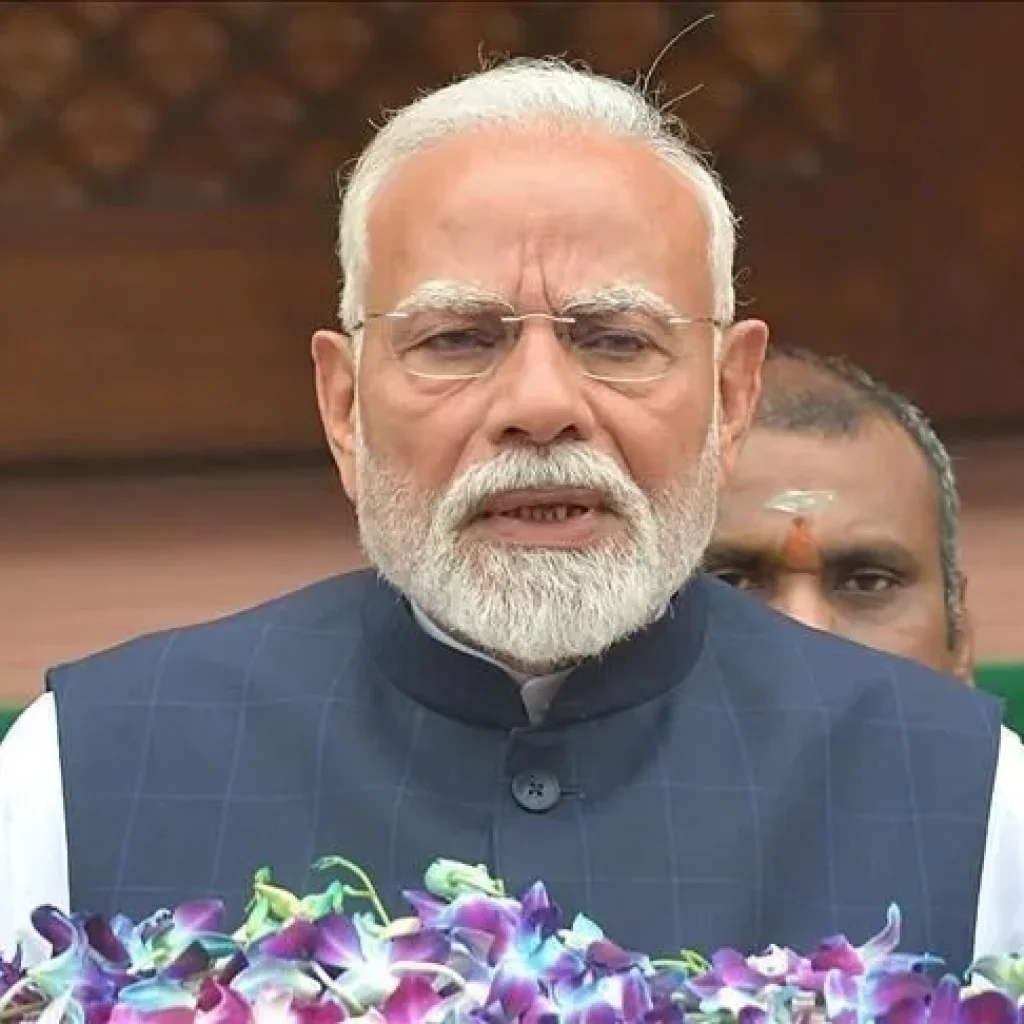
French Foreign Minister Jean-Noël Barrot held talks with his Chinese counterpart Wang Yi as cross-border strikes, attacks on energy infrastructure and rising tensions surrounding Iran’s nuclear and ballistic programs fuel instability.
According to the French foreign ministry, both sides agreed on the need to reduce hostilities and pursue a negotiated political settlement aimed at preserving collective security while taking into account the aspirations of the Iranian people.
Paris emphasized that it had no role in recent U.S. or Israeli military operations and had not been informed in advance of those actions.
Barrot blamed the escalation on Tehran’s actions, saying Iran had breached United Nations Security Council obligations, even as the United States and Israel launched strikes amid ongoing nuclear talks and the easing of sanctions.
The coordinated outreach between Paris and Beijing signals that major global powers are attempting to prevent the crisis from spiraling into a full-scale regional war.
China maintains extensive economic and energy ties with both Iran and Gulf states, while France remains a key diplomatic voice within Europe and a permanent member of the UN Security Council.
Their joint messaging adds pressure on Iran to restrain military activity and re-enter negotiations, while also reflecting broader concerns about unilateral military action in the region.
The diplomatic push comes as energy markets react nervously to the conflict and regional security conditions remain fragile.
Observers say that sustained engagement by global powers could influence whether the situation stabilizes or deteriorates into a prolonged confrontation with far-reaching consequences for global trade routes, oil flows, and existing security alliances.
Iran faces growing military and diplomatic strain as it navigates domestic political pressures and its network of regional partnerships.
The United States and Israel continue to play central military roles in the unfolding crisis by initiating the war and continuing to attack civilian and military infrastructure, including a children’s school where more than 160 girls were killed.
China seeks to safeguard strategic energy interests while avoiding direct confrontation with Washington.
France, representing wider European concerns, remains focused on nuclear non-proliferation and regional stability. Gulf countries and neighboring states risk deeper entanglement should hostilities intensify.
French and Chinese officials are expected to maintain consultations, potentially using the UN framework to encourage renewed talks on Iran’s nuclear program and broader regional security guarantees.
Much will depend on whether Tehran signals readiness to return to negotiations and how U.S. and Israeli military operations evolve in the coming days.
Read also