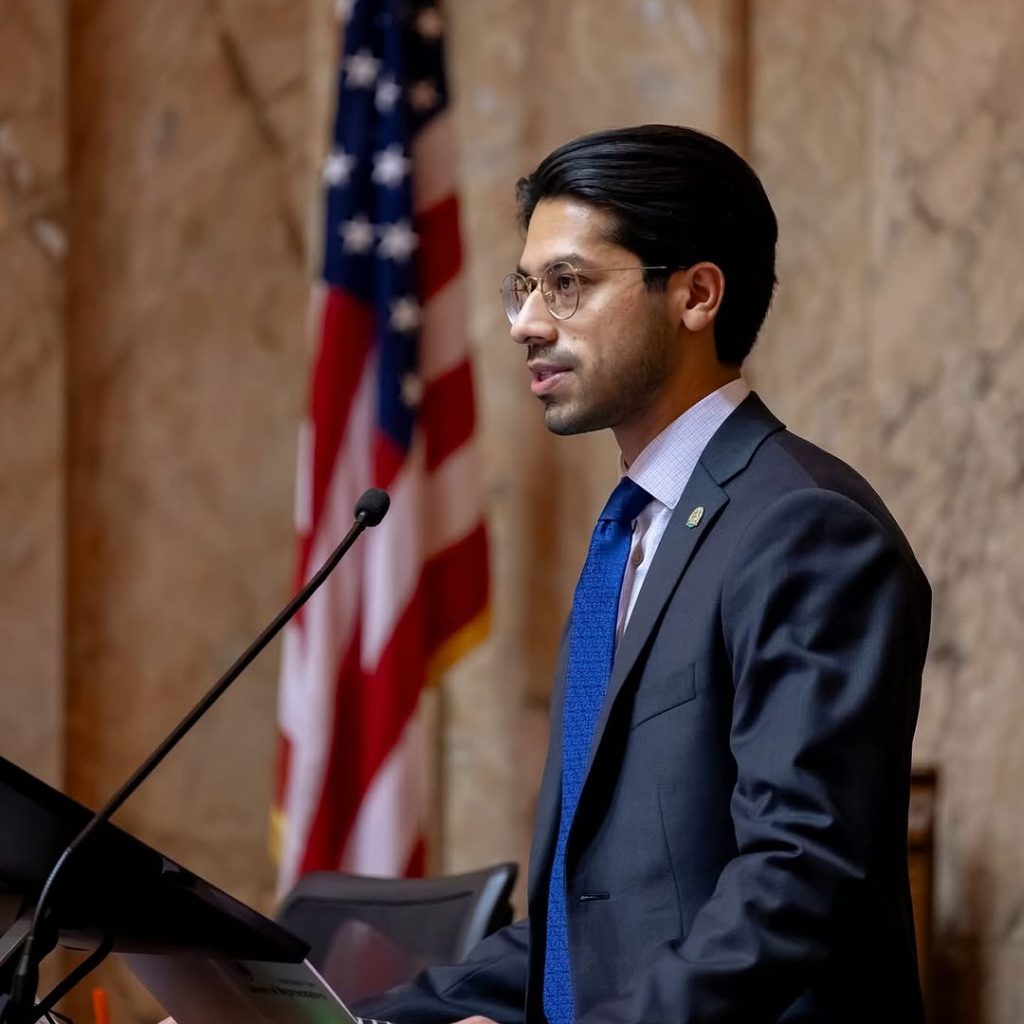
Allies welcome, rivals watch as Saudi, Türkiye and Pakistan forge defense pact
Saudi Arabia insists the Makkah agreement threatens no one, but India is "closely following," Israel stays silent, and Iran urges Muslim unity
© AA
ISLAMABAD (MNTV) — A day after Saudi Arabia, Türkiye, and Pakistan signed a mutual-defense pact treating an attack on any one of them as an attack on all, governments and analysts worldwide were still measuring what it means — with reactions splitting along the region’s existing fault lines.
The Makkah Joint Defence Agreement, signed Friday in Islam’s holiest city, binds three of the most powerful Muslim-majority states: Türkiye, which fields NATO’s second-largest army; Saudi Arabia, the top oil exporter and custodian of Islam’s holiest sites; and Pakistan, the only Muslim-majority nuclear power.
Analysts quickly reached for a shorthand — a “Sunni NATO” — for the first collective-defense formula uniting militaries of this scale in the Muslim world since the 1950s.
Signatories and their allies
Riyadh moved fast to limit alarm. Saudi Arabia said the pact was not linked to “any nuclear ambitions” and threatened no country in the region, and deputy public-diplomacy minister Rayed Krimly rejected the idea that it formed a military axis or sectarian bloc.
A Turkish official called it “purely defensive,” aimed at no specific actor and open to other regional states.
Several regional governments welcomed it. Somalia’s Defense Ministry called the agreement a “historic step” toward collective security and a strategic partnership capable of meeting shared threats.
Bahrain’s Foreign Ministry described it as a partnership among equals that complements the collective defense system of the Gulf Cooperation Council — the six-member bloc of Gulf Arab monarchies — reiterating that Saudi Arabia’s security is “an integral part” of its own.
Both framed the pact as reinforcing regional stability rather than disrupting it.
Wary watchers
The most pointed watching came from India, Pakistan’s rival, months after the two fought a brief border conflict in May 2025.
New Delhi’s foreign ministry said it was “closely following” the pact and would assess how the alignment and possible integration of Pakistani strategic capabilities might affect its security. Analysts noted Islamabad has repeatedly said its nuclear arsenal is focused on India, not available as an umbrella for allies.
Israel said nothing officially — Prime Minister Benjamin Netanyahu’s office declined to comment — but the pact crystallized a threat Israeli leaders had been naming for months.
Since early 2026, as the war with Iran escalated, senior figures had begun casting Türkiye, not just Iran, as the coming danger.
In February, Netanyahu announced plans to build a “hexagon” of regional alliances — pointedly including Greece and Cyprus, both with long grievances against Ankara — to outflank what he called an “emerging radical Sunni axis.”
Former Prime Minister Naftali Bennett, positioning for a political comeback, went further, calling Türkiye “the new Iran” and urging Israel to act “simultaneously” against threats from Ankara and Tehran.
The combination of Türkiye — increasingly at odds with Israel as their interests collide in Syria — and nuclear-armed Pakistan is what gives it particular weight for Israeli planners, potentially complicating Israel’s freedom to act militarily against its neighbors without weighing a wider response.
Some Israeli analysts urge caution against the framing: former ambassador Alon Pinkas argued the “Turkey threat” campaign serves domestic politics as much as strategy, since “there just always needs to be a threat.”
Burcu Ozcelik of the London-based RUSI think tank told Reuters the pact aims to build deterrence against both Iran and Israel rather than to prepare for confrontation.
Tehran and Washington
Iran, the conflict that helped drive the three together, struck a conciliatory note. Foreign Minister Abbas Araghchi urged Muslim countries to unite and rely on themselves against “hostile outsiders” — framing the pact as Islamic solidarity rather than a bloc against Tehran.
Regional diplomats, though, widely read it as directed at Iran, whose missile and drone attacks on Gulf states since the Feb. 28 outbreak of the US-Israeli war on Iran form its backdrop.
Washington issued no formal statement, but analysts noted the pact unites three US partners just as Gulf states increasingly doubt America’s reliability as a security guarantor — doubts sharpened by Iranian strikes on Saudi Arabia and Israel’s earlier attack on Qatar.
Michael Kugelman of the Atlantic Council called the alliance a “logical outgrowth” of the three countries’ deepening ties.
A pact on paper, for now
For all the “Sunni NATO” talk, analysts cautioned the pact remains a communiqué, not a functioning alliance: the three run incompatible weapons systems, share no common command or air-defense architecture, and have not specified their obligations.
Whether it becomes a true mutual-defense bloc will depend on machinery that does not yet exist.
Read also