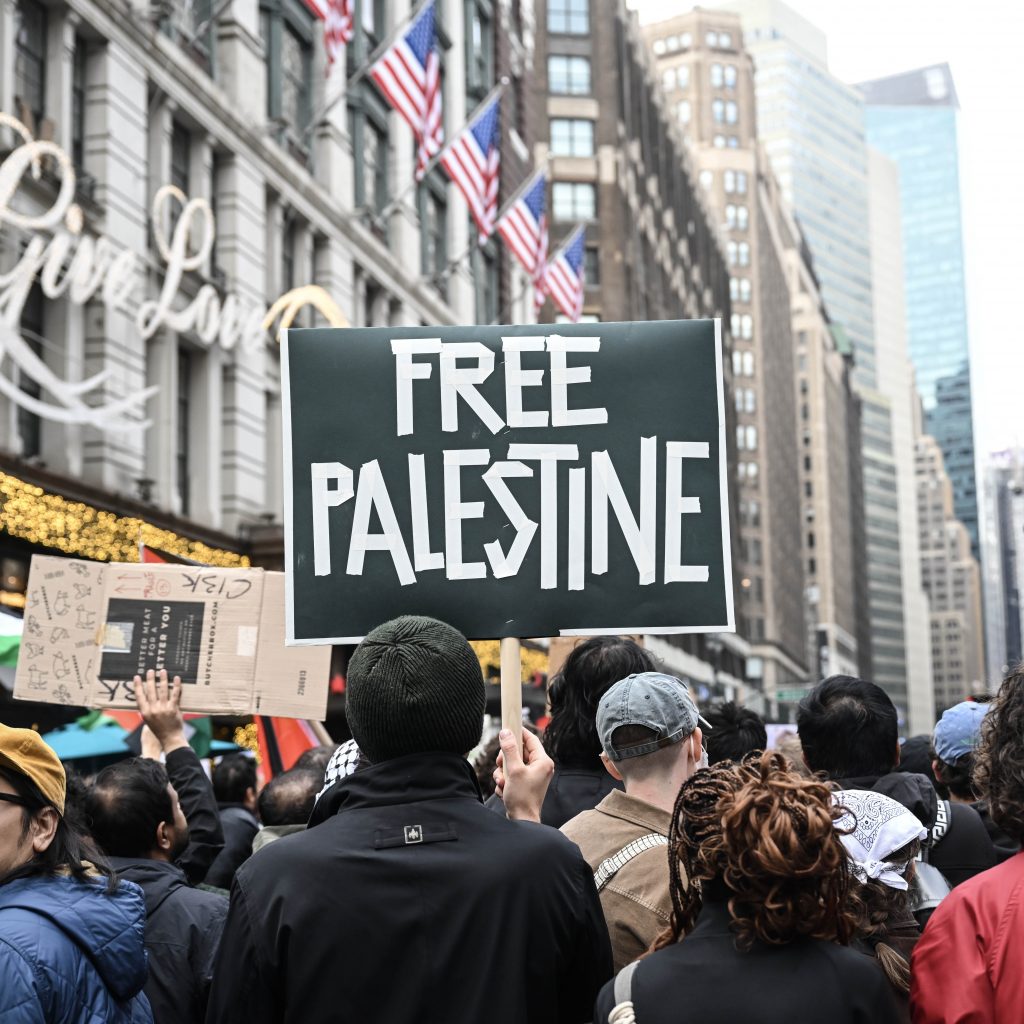
UN inquiry presents Israeli actions in Gaza amounting to genocide
Investigation led by former Indian judge finds evidence of genocide, child killings and impunity for settler violence
© Anadolu Agency
GENEVA, Switzerland (MNTV) – A United Nations commission of inquiry chaired by former Indian judge Justice Srinivasan Muralidhar has concluded that Israeli authorities committed acts amounting to genocide against Palestinians in Gaza.
The inquiry cited the large-scale killing of children, destruction of civilian infrastructure, mass displacement, restrictions on humanitarian aid and conditions it said threatened the survival of the Palestinian population.
The findings, released by the UN Independent International Commission of Inquiry on the Occupied Palestinian Territory, Israel and East Jerusalem, represent one of the strongest legal assessments by a UN body since the Gaza war began in October 2023.
According to the commission, Palestinian children accounted for nearly one-third of those killed in Gaza during the period under review.
The inquiry found that the continued use of heavy explosive weapons in densely populated civilian areas despite mounting civilian casualties demonstrated a pattern that contributed to exceptionally high child death rates.
The commission said Israel had committed three genocidal acts prohibited under the 1948 Genocide Convention: killing members of a protected group, causing serious bodily or mental harm, and deliberately inflicting conditions of life calculated to bring about the physical destruction of the group in whole or in part.
Justice Muralidhar said the evidence gathered by investigators showed that Palestinian children had been subjected to devastating levels of violence and that the destruction inflicted upon them threatened the future existence and development of Palestinians as a protected national group.
The report describes a humanitarian catastrophe in Gaza marked by widespread destruction of homes, hospitals, schools, water systems and sanitation infrastructure.
Investigators found that repeated displacement orders forced civilians to move from one area to another while facing continuing military operations, overcrowding, shortages of shelter and deteriorating living conditions.
The commission also linked severe food insecurity, restrictions on humanitarian assistance and the collapse of essential services to what it described as conditions incompatible with the survival and well-being of large segments of the civilian population.
According to the report, children have been among the most severely affected victims of the conflict. Investigators documented deaths, injuries, psychological trauma, family separation, interrupted education and the loss of access to healthcare on a massive scale.
The commission found that strikes on maternity and neonatal healthcare facilities, coupled with starvation linked to the blockade, have reduced newborns’ chances of survival and increased the risk of miscarriages, congenital abnormalities and lasting health complications.
The inquiry stated that the cumulative impact of these conditions has caused profound and lasting harm to Palestinian children.
Beyond Gaza, the commission examined developments in the occupied West Bank, where it said Israeli authorities have failed to prevent or adequately punish attacks by Israeli settlers against Palestinian communities.
The report states that Palestinian residents have faced increasing violence, intimidation, property destruction and forced displacement linked to settler activity.
Investigators concluded that a climate of impunity has allowed such attacks to continue, with insufficient accountability for perpetrators and inadequate protection for affected communities.
The commission further said that Israeli state institutions contributed to an environment in which violence against Palestinians could occur without meaningful consequences.
It pointed to failures in law enforcement, limited criminal accountability, and policies that investigators said reinforced discrimination and unequal treatment.
Particular concern was raised over the treatment of Palestinian children in the West Bank. The report documented allegations of arbitrary detention, physical abuse, psychological mistreatment and torture involving minors.
Investigators also cited accounts of forced stripping, beatings, threats and deprivation of food and other basic necessities during detention.
According to the commission, these practices may amount to war crimes and crimes against humanity under international law.
The inquiry additionally examined public statements by Israeli political figures and officials. Investigators argued that some rhetoric used during the conflict dehumanized Palestinians and contributed to an atmosphere that normalized or encouraged violence.
The report stated that such language, when combined with military actions and a lack of accountability, formed part of the broader context in which violations occurred.
The commission concluded that the cumulative impact of killings, injuries, displacement, deprivation and institutional practices had inflicted severe physical and psychological harm on Palestinians in Gaza and the West Bank.
It called for accountability measures, including criminal investigations and international action to ensure compliance with international humanitarian and human rights law.
The report urged governments, international organizations and judicial institutions to take steps to prevent further violations and protect civilians, particularly children.
Israel has rejected the commission’s findings, accusing the inquiry of bias and disputing its legal conclusions, without providing evidence in its denial.
Despite the baseless Israeli objections, the report is expected to intensify international scrutiny of Israel’s conduct during the conflict and could influence ongoing legal proceedings before international courts examining allegations of genocide, war crimes and crimes against humanity arising from the war in Gaza.
The findings add to growing international debate over accountability for the conflict and place renewed attention on the humanitarian consequences of military operations that have devastated Palestinian communities across Gaza and affected populations throughout the occupied Palestinian territories and beyond.

Read also