The uncertain future of Iran’s nuclear program
U.S. airstrikes on Iran’s nuclear facilities under "Operation Midnight Hammer" have not eliminated Tehran’s nuclear capability
© Anadolu Agency
By Muhammad Saad
LAHORE, Pakistan (MNTV) — As tensions simmer following U.S. airstrikes on Iran’s nuclear facilities, experts maintain that the operation may have left Tehran politically and strategically stronger.
Retired Pakistani General Naeem Lodhi, analyzing the aftermath, pointed to Iran’s ability to preserve critical components of its nuclear program despite significant infrastructure damage.
“The manufacturing equipment that includes the centrifugation and the enrichment facilities was damaged. It’s beyond doubt. But the enrichment material, the enriched uranium, which is the thing—it is the gunpowder for an atomic bomb—they would have transported here and there in small packets,” Lodhi told MNTV.
He argued that the strikes failed to achieve the broader objectives of halting Iran’s nuclear ambitions or triggering regime change. “If you look at the war through a military paradigm, a war has no other purpose except a political one. The objectives they’ve mentioned were to stop Iran from building a nuclear bomb and to achieve regime change. Regime change didn’t happen—there are no chances—because of the way the Iranians stepped out in unity. And if they’ve saved the enriched material, they’ve saved their half-nuclear program. Iran has won the war,” he said.
Saad Khan, an academic and journalist specializing in Iranian affairs, echoed Lodhi’s assessment, noting that the operation likely delayed but did not dismantle Iran’s nuclear capabilities. “We need to rely on the Defense Intelligence Agency (DIA) reports that were shared widely on media yesterday. Those reports claim the strikes have only pushed back the program by a few months. There were earlier reports of Iranians moving the stockpile plus having another secret site, which I tweeted about. Trump is point-scoring, but the DIA statements look on point,” Khan said.
Khan also observed growing discussions about Iran’s potential withdrawal from the Non-Proliferation Treaty (NPT), though he noted that such a move is unlikely in the near term.
“There is some chatter that they will exit the NPT but not immediately. That is still a conjecture as a lot hinges on the resumption of nuclear talks, which the Iranian president has said they’re ready to do. Khamenei will still be the final authority, especially if he retracts the so-called fatwa against weaponization,” he added.
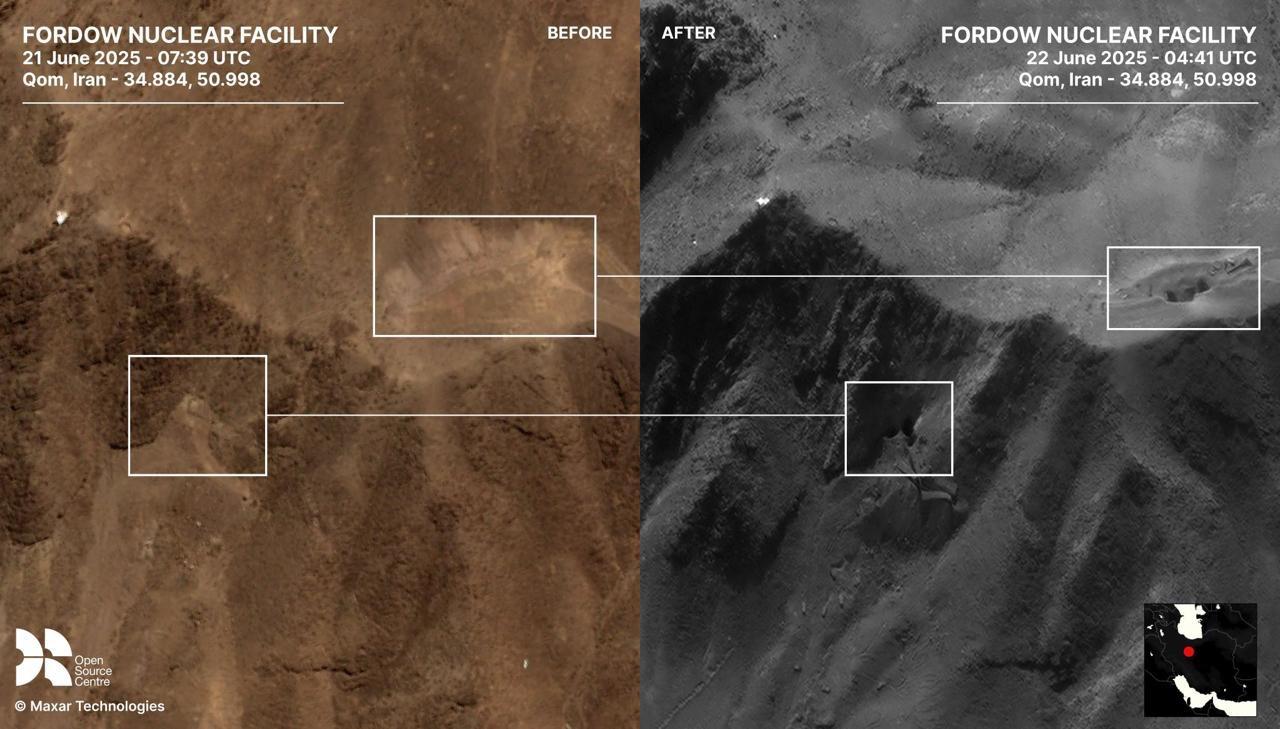
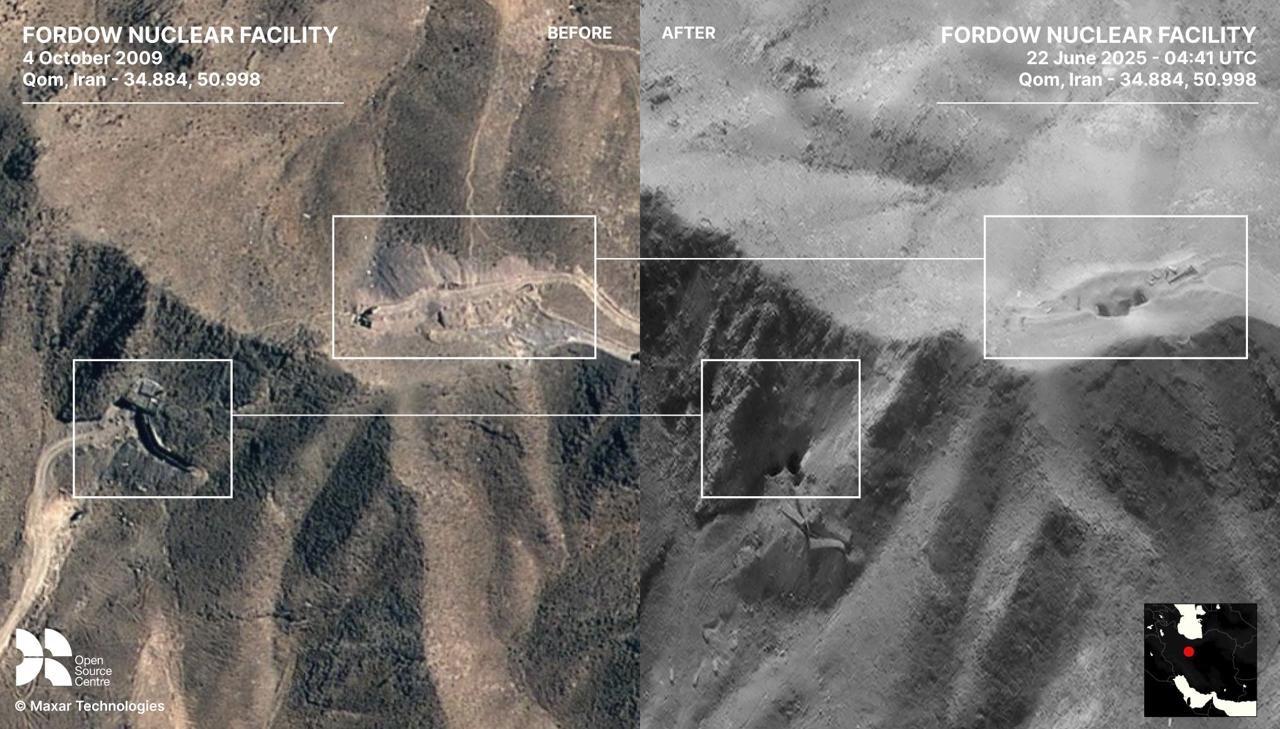
The expert assessments align with preliminary findings from a Defense Intelligence Agency (DIA) report, which suggests that the U.S. airstrikes under “Operation Midnight Hammer” failed to eliminate Iran’s nuclear threat. The strikes, the first direct U.S. military involvement in the Iran–Israel war that began on June 13, reportedly delayed Iran’s nuclear progress by only a few months.
Despite President Donald Trump’s claim that the strikes had “obliterated” Iran’s nuclear program, the DIA report indicates that Iran’s enriched uranium stockpiles remain intact. Key underground facilities, including Fordow, Natanz, and Isfahan, were sealed but not destroyed, and some centrifuges survived the assault.
The White House dismissed the DIA findings as “flat-out wrong,” asserting that the operation significantly degraded Iran’s nuclear capabilities. However, the classified assessment has cast doubt on the administration’s claims.
Amid a fragile ceasefire brokered by President Trump, both Iran and Israel claimed victory. Israeli Prime Minister Benjamin Netanyahu declared the operation a success, stating that it had neutralized the nuclear threat. Iranian President Masoud Pezeshkian, meanwhile, hailed the strikes as a “great victory,” asserting that Iran had withstood the assault and was ready to resolve tensions with the U.S.
Experts believe Iran’s pursuit of nuclear weapons may intensify.
“I do think they will go nuclear, especially if Khamenei and other mullahs endorse the weaponization,” said Khan. “Even if they do not, and even if there is a regime change down the line, the collective Iranian psyche will demand that they have nuclear deterrence. Rapprochement with America, domestic politics, and other variables will play a role.”
General Lodhi was unequivocal: “I don’t think, I am sure—they’ll make one or they’ll try to. Because everyone gives attention to the person who has something dangerous in their hands. Having such a thing is very important,” he said.
For now, Iran remains a signatory to the NPT and has not barred international inspectors from its nuclear sites. However, with trust between Tehran and the West at historic lows, and political tensions rising, the path forward remains fraught with uncertainty.
Read also