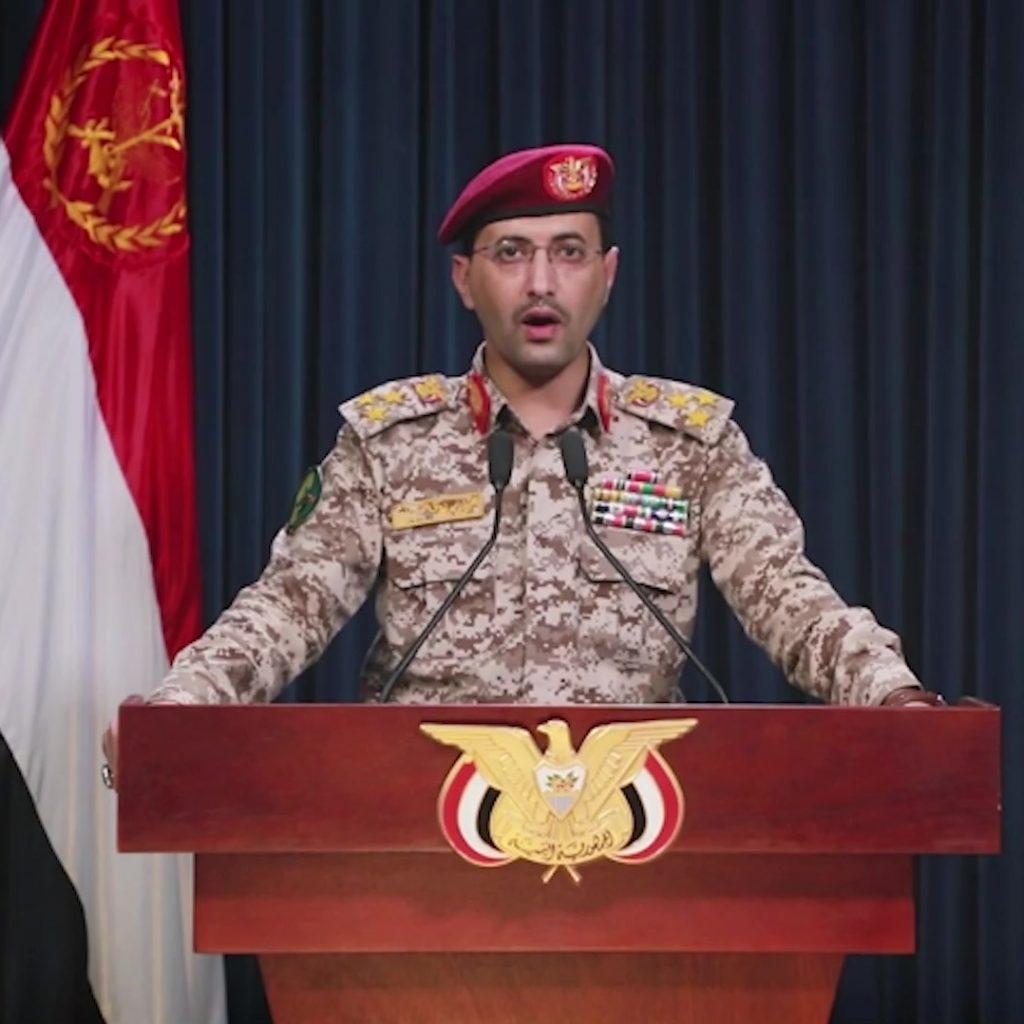
Rights groups urge release of jailed Indian Muslim leader
Rights coalition warns critically ill political prisoner E Abubacker held under India anti-terror law UAPA risks custodial death after years in detention
© Maktoob Media
NEW DELHI, India (MNTV) — A coalition of civil liberties organizations in India has called for the immediate release of Muslim leader E. Abubacker, describing him as a political prisoner whose continued detention under the country’s anti-terror law poses serious humanitarian risks due to his deteriorating health.
The Campaign Against State Repression (CASR), a network of at least 37 rights groups, said the 72-year-old activist has been in custody for more than three and a half years under the Unlawful Activities (Prevention) Act (UAPA), India’s controversial anti-terror legislation that allows authorities to hold suspects for extended periods without trial.
Abubacker, founding chairman of the now-banned Popular Front of India (PFI), was arrested by the National Investigation Agency on Sept. 22, 2022, during nationwide raids targeting the organization. According to rights groups, he was taken into custody from his home while recovering from surgery for cancer.
In a statement released Tuesday, CASR warned that Abubacker’s health has deteriorated significantly in prison and urged authorities to release him on humanitarian and medical grounds.
“We don’t want another political prisoner murdered by the Indian state,” the coalition said.
Abubacker, a retired schoolteacher, journalist and longtime social activist, remains an undertrial prisoner, meaning his trial has not yet begun despite years of incarceration.
Rights advocates say his case reflects broader concerns about the use of the UAPA, which has been widely criticized by civil liberties organizations for enabling prolonged pre-trial detention in cases linked to alleged terrorism or national security threats.
According to CASR, Abubacker has recently suffered a severe chest infection accompanied by persistent coughing, while also experiencing dangerous fluctuations in blood pressure and blood sugar levels. His oxygen levels reportedly dropped, leading prison authorities to admit him to Deen Dayal Upadhyay Hospital in New Delhi for treatment.
The elderly detainee is also battling multiple chronic illnesses, including Parkinson’s disease, diabetes, hypertension and severe vision loss. He was previously diagnosed with gastroesophageal junction adenocarcinoma, a rare and aggressive form of cancer, for which he underwent chemotherapy and surgery in 2020.
The coalition said his medical condition requires constant supervision and assistance with daily activities, raising concerns about whether adequate treatment can be provided while he remains incarcerated.
CASR also warned that Abubacker’s continued detention echoes earlier cases in which prisoners held under similar charges died in custody after allegedly being denied adequate medical care.
Among the cases cited was Jesuit priest and tribal rights activist Stan Swamy, who died in 2021 at the age of 84 while awaiting trial under the same anti-terror law.
Rights organizations have also pointed to the deaths in custody of activist Kanchan Nanaware and alleged Maoist member Pandu Narote, as well as the prolonged imprisonment of disabled academic G. N. Saibaba, as examples of what they describe as systemic neglect of prisoners with serious health conditions.
“These deaths reveal a disturbing pattern where political prisoners are slowly pushed toward death through denial of adequate medical care,” the coalition said.
The group called on civil liberties organizations, lawyers and citizens to press for Abubacker’s release, warning that his condition could deteriorate further if he remains in detention.
The Indian government banned the Popular Front of India shortly after Abubacker’s arrest in 2022, accusing the organization of involvement in extremist activities. Nearly 100 activists linked to the group were detained during coordinated raids across several states.
Abubacker’s requests for bail have previously been rejected by both the Delhi High Court and the Supreme Court of India.
Read also