Records reveal DHS spied on unions and protest groups in Minnesota
Court filings describe undercover agents infiltrating meetings and subpoenaing union finances, raising fears that lawful dissent was treated as threat
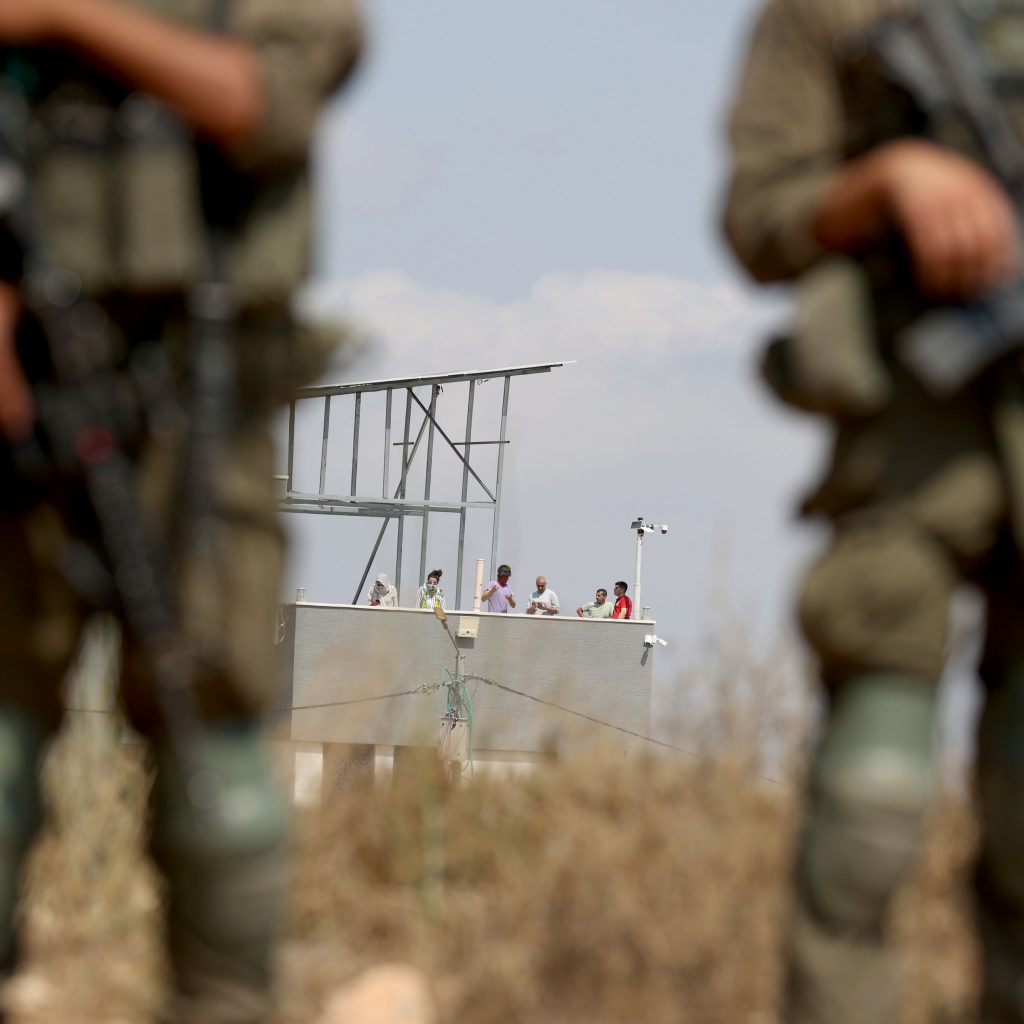
MINNEAPOLIS (MNTV) — Newly disclosed federal records show the Department of Homeland Security ran a sweeping undercover surveillance operation targeting labor unions, nonprofits, and progressive groups that protested the Trump administration’s immigration crackdown in Minnesota.
Nearly 30 internal reports, released Thursday in a federal case against 15 Minneapolis protesters, describe undercover agents infiltrating meetings, monitoring private chat groups, and obtaining financial records from unions and nonprofits, the Associated Press reported.
The operation, code-named “Operation Puppet Master,” began in January to identify what investigators called a network aiding “violent opportunists and agitators,” and expanded as protests grew after the killings of two US citizens, Renee Good and Alex Pretti, during the crackdown.
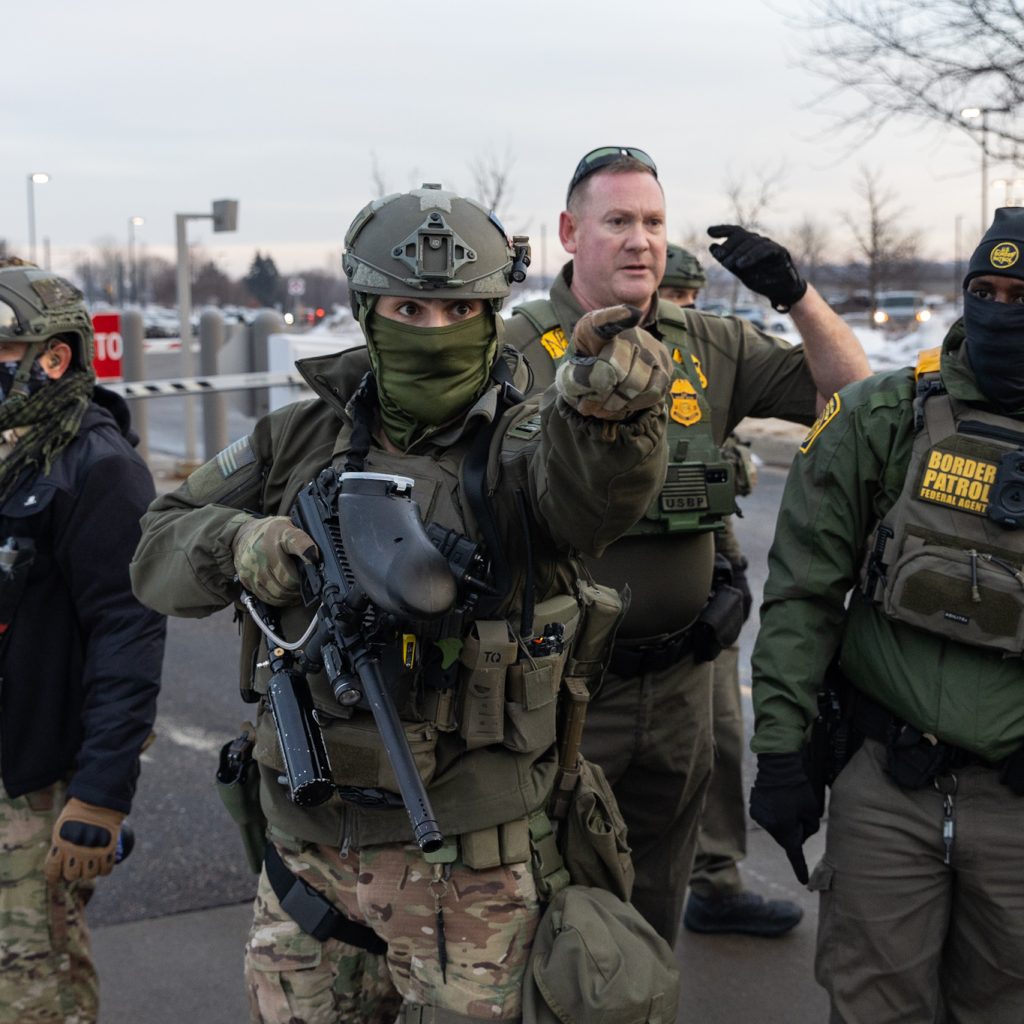
DHS had deployed about 3,000 officers to the Minneapolis area in what it called its largest-ever immigration operation.
The surveillance reached well beyond those charged. Organizations named in the records include the AFL-CIO, the Service Employees International Union (SEIU), the Democratic Socialists of America, and the climate group Sunrise Movement — none charged with any crime.
Investigators used administrative subpoenas, which do not require the judicial approval of a warrant, to obtain union financial records, and agents secretly recorded meetings at libraries, a church, and a park, in one case logging the license plates of people at an anti-ICE gathering.
Defense attorney Kevin Riach called it a “broad and irrational investigation” driven by politics, not criminal conduct; the indictment alleges no serious violence by the defendants.
Mike German, a former FBI agent, questioned why DHS was running a domestic-terrorism inquiry — traditionally the FBI’s role — and noted many of the monitored events were open community meetings. Advocates warned the operation could intimidate lawful political participation, reviving a long U.S. history of government surveillance of labor and civil-rights movements.

Read also