On Labor Day, Mamdani launches first-of-its-kind Office of Worker Power in New York City
New office will help workers understand their rights, connect with unions and worker organizations, and shape city labor policy
© AA
NEW YORK (MNTV) – New York City Mayor Zohran Mamdani marked Labor Day on Monday by creating what his administration says is the nation’s first municipal Office of Worker Power, designed to help workers organize, understand their rights and gain a greater voice in city policy.
Mamdani signed an executive order establishing the office, which will operate under Deputy Mayor for Economic Justice Julie Su and be led by longtime labor organizer Tony Perlstein.
“The Mayor’s Office of Worker Power will make sure workers have a seat at the table before exploitation becomes a crisis and violations become routine,” Mamdani said.
The new office will use City Hall’s resources to connect workers with unions, worker centers and other organizations that can help them address workplace problems or organize collectively. It will also conduct outreach, research and public hearings and develop labor-policy proposals based on workers’ experiences.
The initiative will focus in part on workers who lack adequate wages, benefits or meaningful influence over conditions on the job.
It will also seek to reach immigrant, gig and platform workers and address issues including worker misclassification, exploitation linked to immigration status, new technologies and climate-related workplace risks.
Mamdani said the office was intended to put “the full weight of City Hall behind the people who keep New York running.”
He cited nurses working long shifts, teachers taking second jobs and warehouse employees seeking union representation as examples of workers the initiative is intended to support.
Helping workers organize
The office represents an unusually direct effort by a municipal government to support workers seeking to organize.
Workers who contact the city will be provided information about workplace rights and referred to organizations that can assist with union organizing or other labor issues.
Su, who previously served as acting U.S. labor secretary, said the initiative was designed to intervene before workplace abuses become entrenched.
“This office allows us to get ahead of exploitation instead of simply responding to it,” she said.
Perlstein, the office’s first executive director, previously worked as an organizing director with the United Auto Workers and as a longshore worker in the Port of New York and New Jersey.
He has also organized restaurant, warehouse and industrial workers in New York.
Union support remains high
The announcement comes at a time when organized labor retains significantly more strength in New York than nationally, although membership remains well below levels seen two decades ago.
A new report by the City University of New York School of Labor and Urban Studies found that 20.5% of workers in New York City are union members, compared with a national rate of about 10%.
The statewide unionization rate stands at 20.9%.
Researchers said union membership had remained relatively stable despite renewed organizing, successful strikes and strong public support for unions.
The gap between public attitudes toward unions and actual membership has become a major issue for labor organizers.
National polling released around Labor Day showed that more than 70% of Americans approve of labor unions, while only about one in 10 workers belongs to one.
Mamdani’s administration says the new office is intended in part to narrow that gap by making it easier for workers to find information and organizing support.
Part of broader labor agenda
The Office of Worker Power adds to several labor initiatives introduced by the Mamdani administration.
City Hall says changes targeting deceptive tipping practices have delivered an estimated $104 million in additional tips to about 70,000 app-based delivery workers since January.
The administration has also opened a hub for delivery workers near City Hall, backed measures targeting wage theft and introduced protections for roughly 1.4 million New Yorkers who work outdoors during extreme heat.
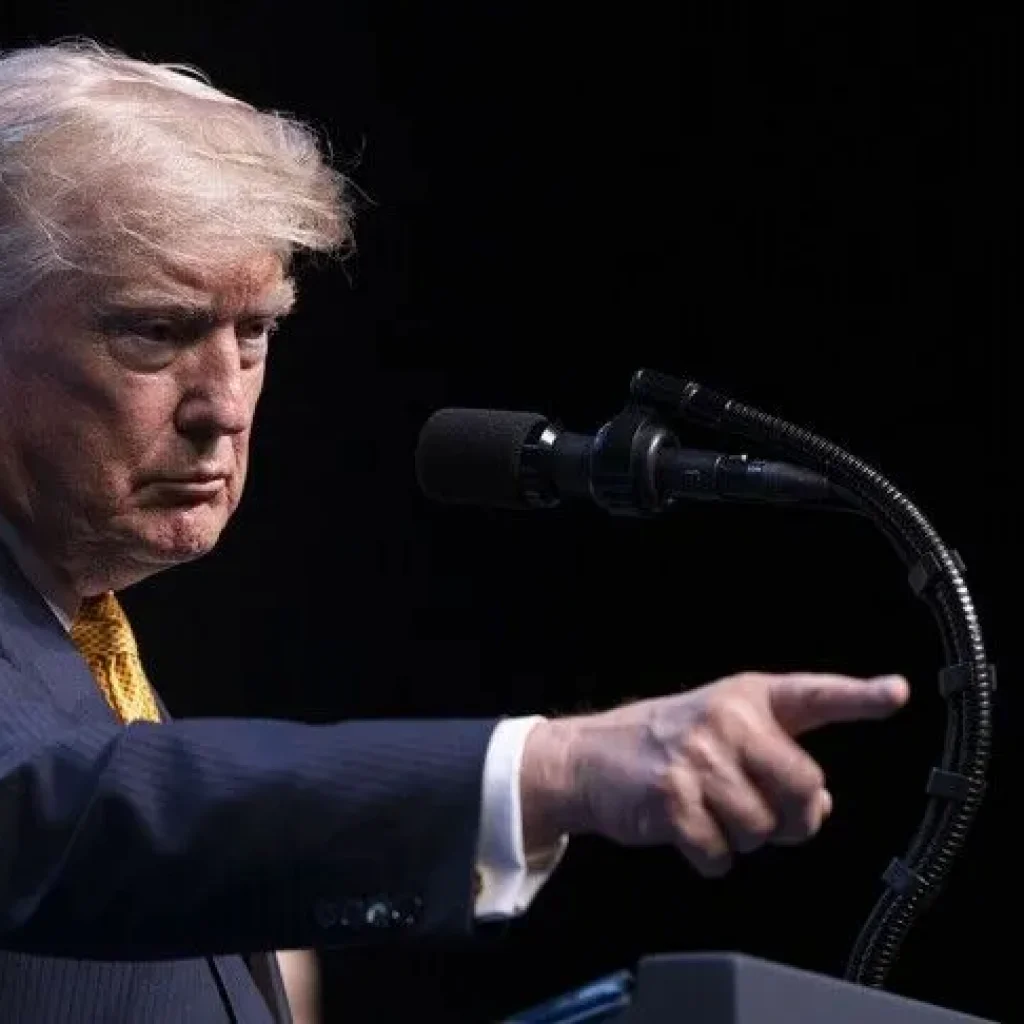
The Labor Day announcement also comes as federal labor policy moves in a different direction under President Donald Trump.
The Trump administration has curtailed collective bargaining rights for large numbers of federal employees and changed enforcement of several labor protections, prompting criticism from unions and worker-rights organizations.
Mamdani has positioned his administration as an ally of organized labor and argued that local government can play a larger role in helping workers build bargaining power even when federal protections are being weakened.
The new office will now work across city agencies to connect workers with information, organizing resources and policy channels.
For Mamdani, its purpose is straightforward: to make City Hall an active participant in strengthening workers’ ability to organize rather than simply responding after labor violations occur.
Related posts



Read also