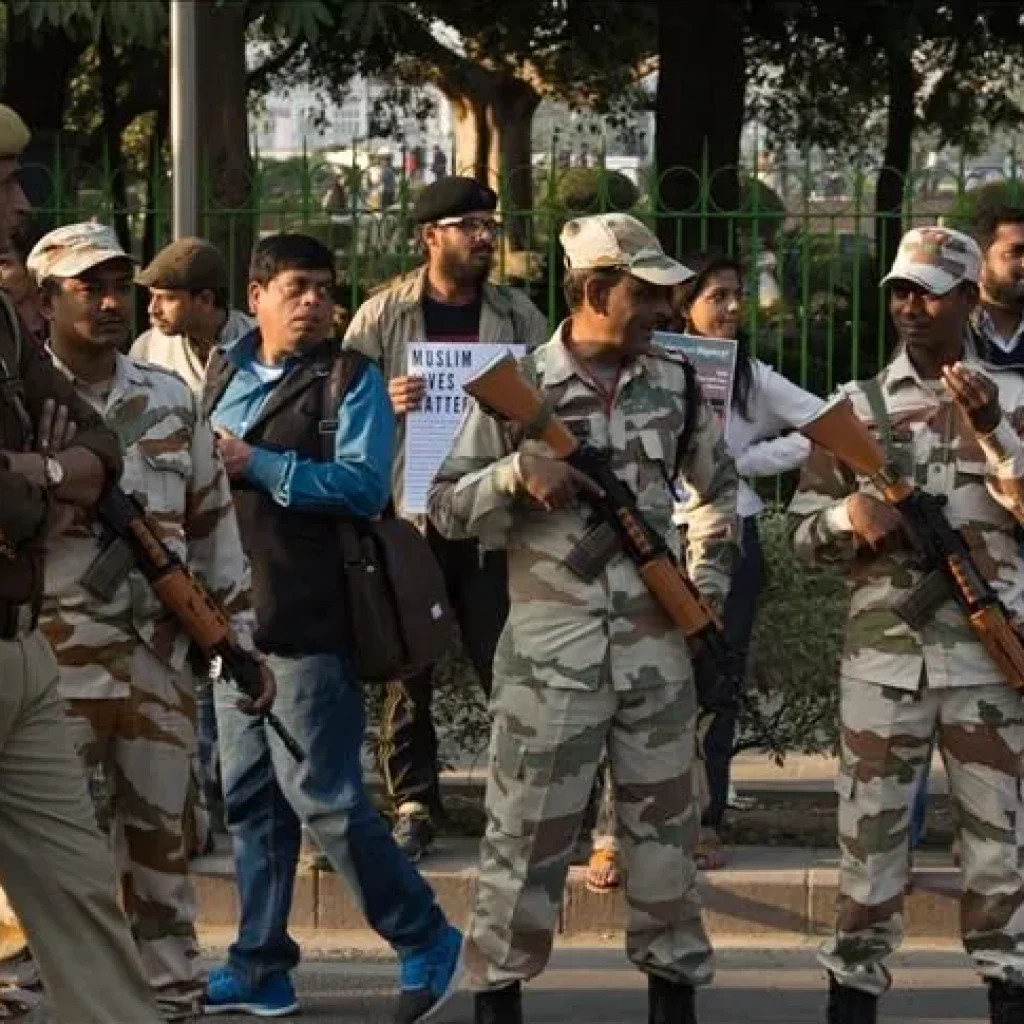
Muslim groups protest Hindu appointments to India’s Waqf Board
Demonstrators in central India oppose non-Muslim members on Islamic endowment body, calling move state interference in religious affairs
© File Photo
NEW DELHI, India (MNTV) — Muslim organizations in India’s central state of Madhya Pradesh have launched protests against the appointment of Hindu members to the state Waqf Board, accusing the BJP-led state government of interfering in the administration of Muslim religious institutions and vowing to challenge the decision in the Supreme Court.
The protests follow the reconstitution of the Madhya Pradesh Waqf Board under amendments to India’s Waqf law, with the newly formed body including non-Muslim members.
Muslim groups say the appointments mark an unprecedented departure from the traditional management of waqf institutions and undermine the autonomy of bodies responsible for administering Islamic charitable endowments.
Demonstrators gathered at Budhwara Square in the state capital, Bhopal, demanding that the government withdraw the appointments. Protesters argued that waqf institutions, which oversee properties donated by Muslims for religious, educational and charitable purposes, should remain under Muslim management because of their religious character.
Several organizations also claimed the appointments represent the first time non-Muslims have been inducted into a state Waqf Board in India, describing the move as an intrusion into the community’s religious affairs.
“Waqf is a religious and social institution of the Muslim community where people dedicate their property for the pleasure of Allah and for charitable purposes.
The appointment of non-Muslim members in the management of the Waqf Board is not appropriate,” said Shamshul Hasan, patron of the All India Muslim Tyohar Committee, which organized the protest.
Congress legislator Arif Masood also opposed the appointments, arguing that the state government acted even though legal challenges to the amended Waqf law are already pending before India’s Supreme Court.
Masood said the government should have waited for the court’s ruling before constituting a new board. He also alleged that while the amended law contemplated two non-Muslim members, the Madhya Pradesh board includes three and announced plans to challenge both the board’s formation and the appointments before the country’s highest court.
The controversy comes amid nationwide opposition from Muslim organizations to amendments introduced by Prime Minister Narendra Modi’s Hindu nationalist Bharatiya Janata Party (BJP) government.
The legislation reshaped the governance of waqf properties, which include mosques, cemeteries, shrines, schools, orphanages, and other assets permanently dedicated by Muslims for religious and charitable purposes.
Muslim organizations have argued that the amendments expand government oversight of institutions that have historically been administered by the Muslim community, raising concerns about increasing state intervention in religious affairs.
The BJP government has defended the changes, saying they are intended to improve transparency, accountability and the management of waqf properties.
The Waqf (Amendment) Act was passed by Parliament in 2025 after contentious debates and has since faced multiple legal challenges from Muslim bodies and opposition groups, which contend that several provisions infringe upon the community’s rights to manage its own religious endowments.


Read also