Muslim delegate leaves Texas GOP convention in tears after reported hostility
Emotional departure of Muslim delegate highlights growing internal conflicts within Republican Party of Texas over religious pluralism
© AA
HOUSTON, United States (MNTV) – A Muslim Texan delegate left the Republican Party of Texas convention in tears after what he described as open hostility, exclusion, and anti-Muslim rhetoric — an episode that has renewed questions about the party’s internal culture and its approach to religious pluralism.
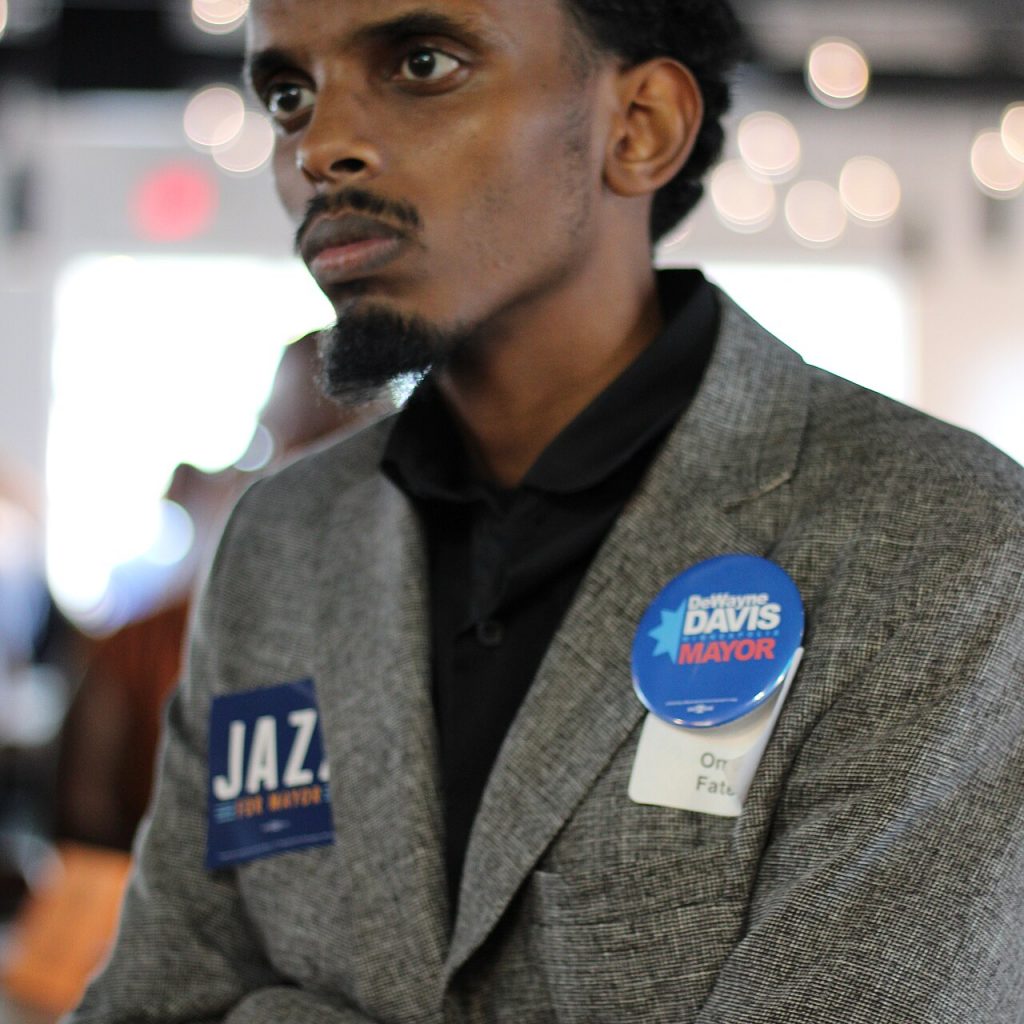
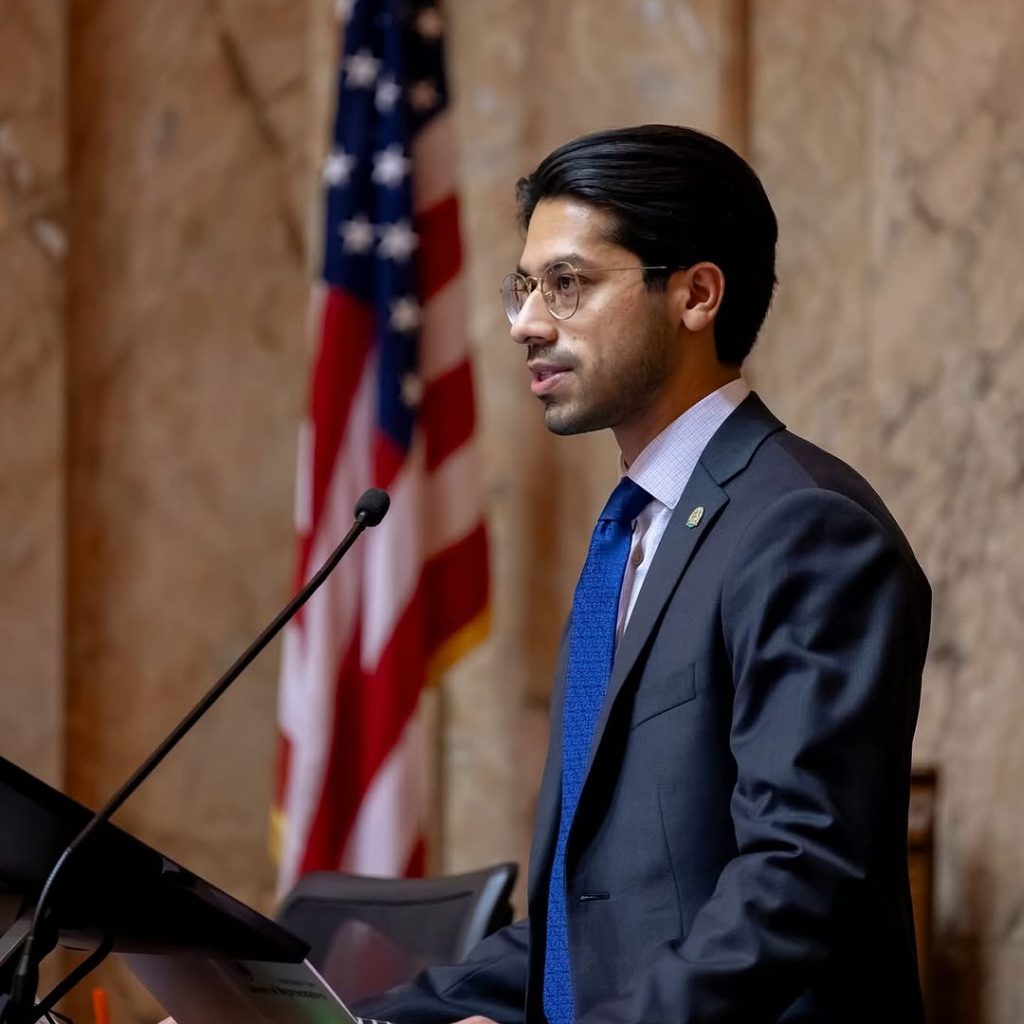
Mohamed Hussein came to the Houston gathering not as a protester but as a registered participant, hoping to confirm that conservative Muslims had a place within the GOP.
Instead, he said, he encountered repeated calls for Muslims to leave the country, accusations rooted in terrorism narratives, and messaging built around “Sharia-free” politics that many in the room read as coded language aimed broadly at Muslims.
Hussein was one of a small number of Muslim attendees and delegates seeking to take part in the convention’s formal political process, yet several incidents pointed to a climate of suspicion toward that participation. Some attendees tried to remove delegates linked — fairly or not — to Muslim advocacy organizations, while panelists discussing religious values and national identity made sweeping claims associating Islam with deception and violence, remarks that further raised tensions.
The sharpest moment came during a panel discussion, when Hussein publicly challenged the claim that Muslims are inherently compelled to lie or act in bad faith. The exchange that followed turned direct: a religious speaker told him he should leave the country if he did not share the values being promoted. Hussein later broke down, describing the experience as deeply disillusioning.
Other Muslim attendees reported similar treatment, among them a hijab-wearing participant who said she too was told to leave the United States. The incidents played out against wider convention debates over religious identity, immigration, and cultural integration, with some speakers arguing that American political life should be explicitly grounded in Christian values.
Party officials and affiliated speakers defended their stance by casting concerns about “Sharia law” as a matter of national security and culture.
Critics counter that such rhetoric blurs the line between political disagreement and religious exclusion, effectively framing Muslim Americans as incompatible with civic participation.
The convention also surfaced divisions within the Republican Party of Texas itself. Some members backed strict exclusionary positions; others warned that alienating non-Christian conservatives undercuts efforts to broaden the party’s base — a tension between ideological purity and political expansion that looms ahead of upcoming elections.
Hussein, who describes himself as conservative on economic and social issues, said he left questioning his place in the party, and worried that the rhetoric he witnessed runs counter to principles of religious liberty and civic inclusion. Even so, he indicated he remains open to supporting Republican candidates who, in his view, defend constitutional freedoms and reject extremist narratives.
The episode carries implications beyond a single convention. It reflects a charged national environment in which debates over Islam, immigration, and American identity have grown increasingly heated, and civil rights advocates warn that framing Muslims as inherently suspect deepens social polarization and can raise the risk of discrimination and violence.
In the aftermath, even some participants acknowledged unease with the tone of the discussions, suggesting that the party risks narrowing its appeal by emphasizing cultural and religious boundaries.
What the convention ultimately exposed was a deeper struggle within the GOP — over whether political unity demands ideological uniformity, or whether it can accommodate diverse religious and cultural identities under a shared civic framework.
Read also