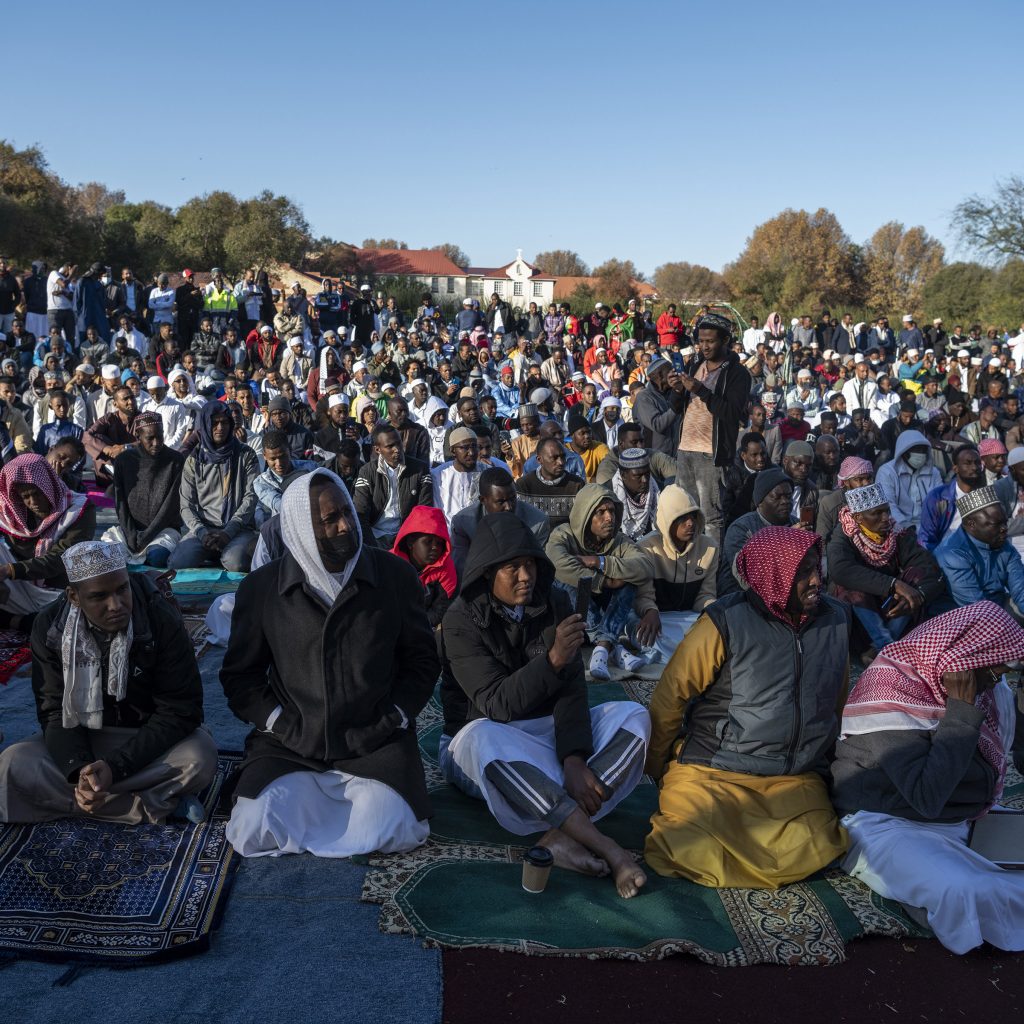
Iranian delegate arrives in Pakistan to negotiate with US
Renewed negotiations follow war escalation blamed on US and Israel, with Islamabad continuing mediation despite mounting tensions
© Anadolu Agency
ISLAMABAD, Pakistan (MNTV) — Iran’s foreign minister arrived in Pakistan ahead of a fresh round of US-Iran talks, as Washington moved to reinsert its envoys into negotiations following weeks of military bombardment on Iran by the US and Israel.
Abbas Araghchi touched down in Islamabad as part of a broader regional tour that includes Oman and Russia, with Pakistani leaders preparing to host high-stakes discussions aimed at preventing further deterioration in the Middle East.
He was received at the airport by Deputy Prime Minister and Foreign Minister Ishaq Dar and Army Chief Field Marshal Asim Munir, along with other senior officials, in a signal of the importance Islamabad attaches to its mediation role.
The Iranian diplomat is expected to meet Prime Minister Shehbaz Sharif and other senior officials to discuss regional developments and ongoing efforts to sustain a fragile ceasefire.
Iranian state media said the visit is focused on consultations over what it described as a war imposed by the United States and Israel, as well as coordination with regional partners amid continued instability.
Meanwhile, the United States has announced that senior envoys Steve Witkoff and Jared Kushner will travel to Pakistan for renewed talks with Iranian counterparts, despite Washington’s role in escalating the conflict through military strikes and a controversial naval blockade of Iranian ports.
US officials said a logistics and security team is already in Islamabad, with Vice President JD Vance on standby to join if negotiations gain traction — a move analysts say reflects Washington’s attempt to regain diplomatic leverage after intensifying the crisis.
The talks follow an earlier round held in Islamabad earlier this month, which ended without a breakthrough but avoided a collapse, largely due to Pakistan’s mediation efforts.
Tensions had surged after US and Israeli strikes on Iran in late February triggered retaliatory action by Tehran, including the temporary closure of the Strait of Hormuz and attacks on US and Israeli targets across the region.
Although a two-week ceasefire brokered by Pakistan on April 8 helped pause direct confrontation, the situation remains volatile. The truce was extended by US President Donald Trump shortly before its expiry, reportedly at Islamabad’s request to allow more time for diplomacy.
However, trust between the parties remains deeply strained, particularly after Washington imposed a blockade on Iranian maritime trade — a move Tehran has described as an act of war and a major obstacle to meaningful negotiations.
Despite these tensions, Pakistan has continued diplomatic outreach to bring both sides back to the table, with officials emphasizing the need for sustained dialogue to avoid further escalation.
Analysts warn that while talks may offer a pathway to de-escalation, the underlying conflict — fueled by external intervention and competing strategic interests — continues to cast doubt over the prospects for a durable resolution.


Read also