Iran plans new exclusion zone near Strait of Hormuz
Tehran says vessels entering zone to transit strategic waterway could face sanctions amid escalating confrontation with Washington
© Anadolu Agency
TEHRAN, Iran (MNTV) — Iran plans to establish a new exclusion zone outside the Strait of Hormuz targeting vessels that Tehran believes are attempting to pass through the strategic waterway, the country’s top security official said Sunday, adding another layer of tension to the escalating conflict with the United States.
Mohsen Rezaei, the newly appointed head of Iran’s Supreme National Security Council, said the boundaries and details of the proposed zone would be announced in the coming days or weeks.
He said the area would extend from the line of the US naval blockade toward the Strait of Hormuz and into the Persian Gulf.
Rezaei said any vessel entering the designated area with the intention of transiting the Strait and identified by Iranian authorities would be placed on Tehran’s sanctions list.
His comments came as US and Iranian forces resumed attacks after weeks of relative calm and tensions around the vital maritime route intensified.
The proposed exclusion zone follows a US strike on three Iranian oil tankers, which Washington said came in response to Iranian ballistic missile attacks against US warships.
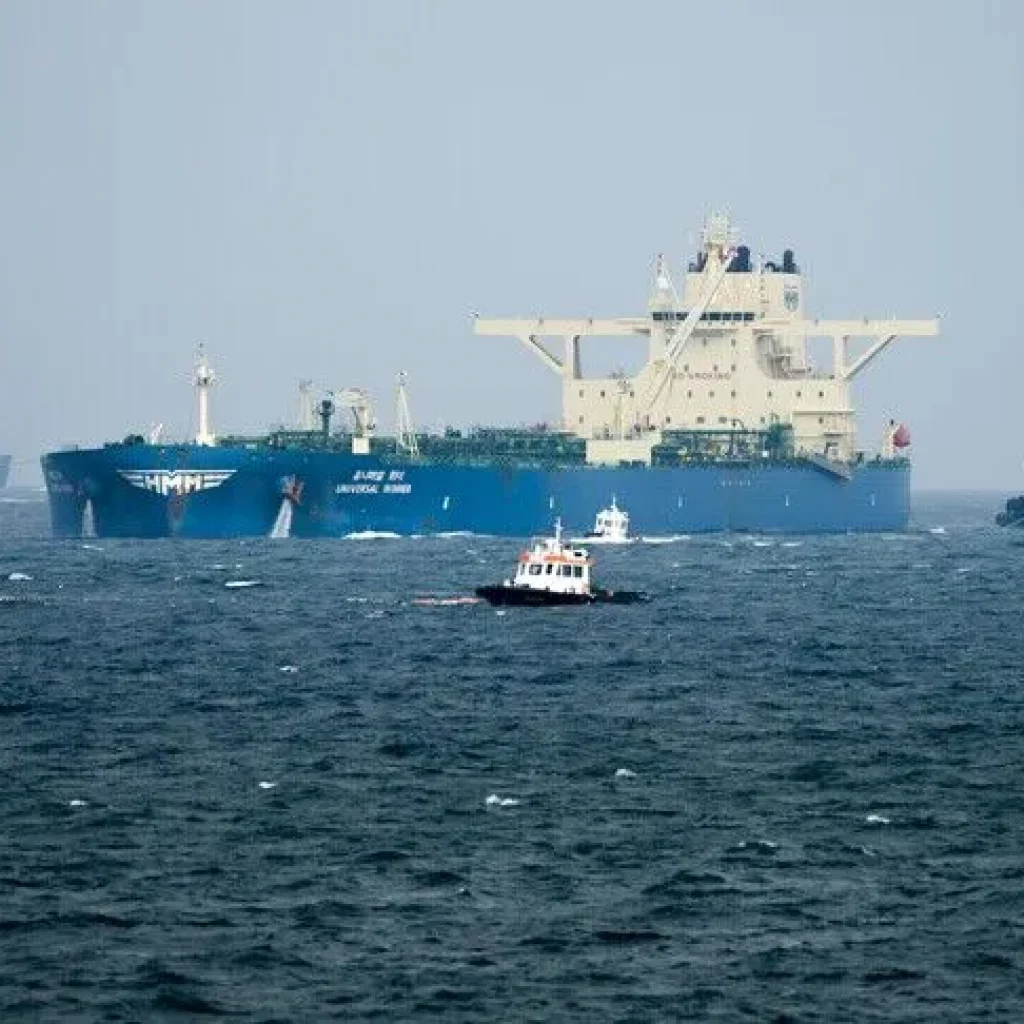
The confrontation has increasingly centered on maritime traffic around the Strait of Hormuz, a critical passage for global energy supplies.
Iranian authorities have also claimed that they struck an unmanned US vessel attempting to enter the Strait. The US military rejected the claim, describing it as false.
The exact position of the US naval blockade referred to by Rezaei remains unclear. Washington has deployed more than 20 warships in support of the blockade, which US officials said had redirected 92 commercial vessels and disabled three ships as of Sunday.
The US blockade is part of broader measures intended to restrict Iran’s ability to export oil and increase economic pressure on Tehran after negotiations between the two countries collapsed.
Iran, meanwhile, has continued seeking ways to sell its oil despite sanctions and restrictions on maritime trade.
The Strait of Hormuz has become a major point of leverage in the conflict because of its importance to international energy markets.
The waterway was regarded as an international maritime passage before the war, but its security has become increasingly contested as US and Iranian military operations have expanded around the region.
US Energy Secretary Chris Wright said Sunday that roughly nine million barrels of oil were still passing through the Strait each day. He said oil flows, including shipments moving through regional pipelines, were probably at least two-thirds of their pre-conflict levels.
Those shipments depend heavily on the presence of US naval forces, which Washington says are protecting commercial vessels and maintaining maritime security. Wright said he expected other countries eventually to contribute to the naval effort.
Iran, however, has maintained that its oil exports remain active despite the blockade. Rezaei claimed Tehran was continuing to sell between one million and 1.5 million barrels of oil per day, presenting the continued trade as evidence that the country was managing to withstand mounting economic pressure.
The Iranian security chief also expressed skepticism toward previous diplomatic mediation efforts involving Pakistan, Qatar and Oman. He said Tehran now wanted future negotiations with stronger guarantees and greater assurances against violations.
The planned exclusion zone threatens to further complicate commercial shipping through one of the world’s most strategically important waterways, with any confrontation involving commercial vessels potentially carrying consequences for global energy supplies and already fragile regional security.

Read also