Rohingya group urges global action to prevent erasure from Burma
BROUK tells UN Human Rights Council years of documentation and legal action have failed to protect Rohingya, calling for ICC referral and enforcement of international arrest warrants
© File Photo
GENEVA, Switzerland (MNTV) — A leading Rohingya rights group has warned that the persecuted Muslim minority is being driven toward erasure from its homeland in Burma, accusing governments of failing to act despite years of evidence of atrocities and international efforts to hold perpetrators accountable.
The Burmese Rohingya Organization U.K. (BROUK) made the warning Monday before the U.N. Human Rights Council in Geneva, where its president, Tun Khin, called for governments to move beyond documenting abuses and take concrete measures to protect Rohingya still living in Burma.
“There is no lack of evidence, international law or recommendations,” Tun Khin told the council. “What has been missing is action by Member States.”
BROUK called for governments to enforce international arrest warrants against senior Burmese military figures, push for the country’s wider crisis to be referred to the International Criminal Court and increase pressure on those responsible for abuses against civilians.
The appeal comes as Rohingya remaining in Burma face persecution from two powerful armed actors.
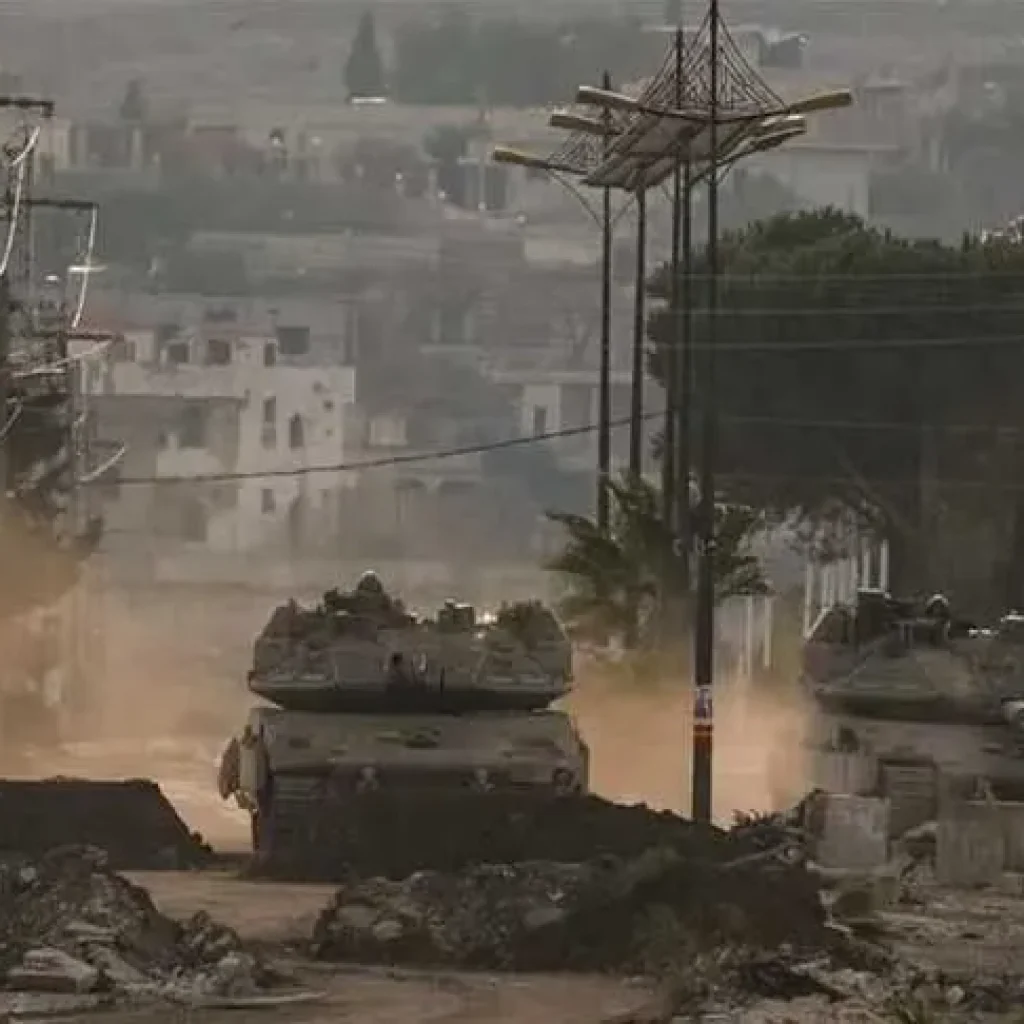
The Burmese military, responsible for the 2017 crackdown that drove hundreds of thousands across the border into Bangladesh, continues to face accusations of atrocities, while the Arakan Army has gained control over most of Rakhine State, the Rohingya homeland.
A new report by UN High Commissioner for Human Rights Volker Türk, which formed the basis of Monday’s council discussion, documented abuses against Rohingya by both forces, including arbitrary arrests, torture, sexual violence, forced labor and forced recruitment.
BROUK said restrictions on movement, food and livelihoods, combined with the seizure of Rohingya land, are creating conditions in which the community’s continued presence in its homeland is increasingly threatened.
“Rohingya now face two oppressors: both denying their identity, their rights and their future in their homeland,” Tun Khin said.
Particular concern surrounds land belonging to displaced Rohingya. The U.N. has documented cases in which Rohingya have been prevented from returning while members of other communities were settled on their land, with some Rohingya allegedly forced to construct the new settlements.
That process could further undermine prospects for the eventual return of refugees. Around 1.2 million Rohingya remain in Bangladesh, where declining international humanitarian assistance is worsening conditions in overcrowded camps while insecurity and persecution continue to make safe return to Burma impossible.
BROUK said the situation reflected decades of international failure.
U.N. bodies and rights groups documented systematic discrimination against Rohingya long before the Burmese military’s 2017 campaign, which involved killings, sexual violence and the destruction of villages and later became the subject of genocide proceedings at the International Court of Justice.

Read also