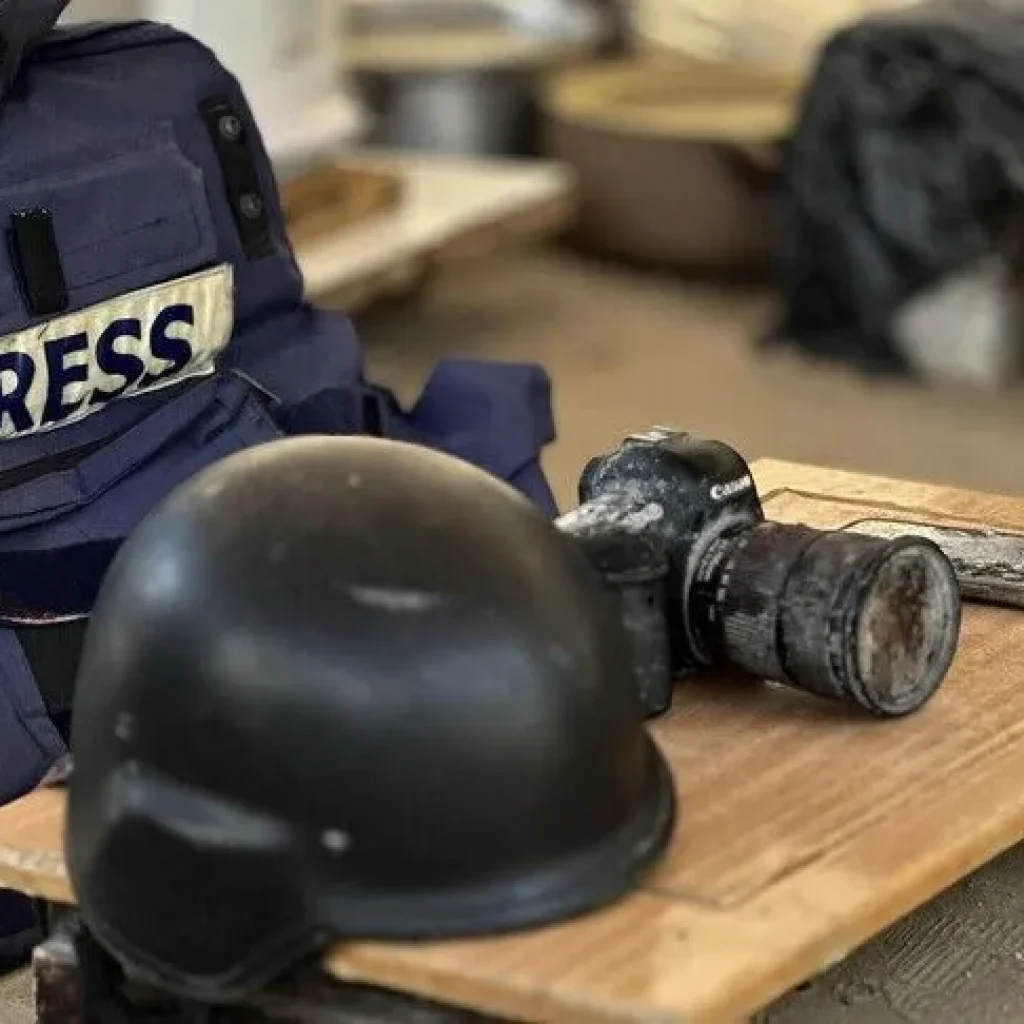
Indian police used brutal force against student protesters: Amnesty
Rights group says police used pellet guns, assault rifles, electric shock devices and batons against protesters, with no officers held accountable
© File Photo
NEW DELHI, India (MNTV) — Indian security forces used dangerous and unlawful weapons against student-led protesters in New Delhi and Bihar, including firing metal pellets into crowds and an assault rifle toward demonstrators, Amnesty International said in an investigation accusing authorities of using excessive force to suppress dissent.
Amnesty’s Evidence Lab analyzed witness accounts, photographs and videos from protests between July 20 and 24, verifying footage involving Delhi Police and the federal Rapid Action Force (RAF) and Central Reserve Police Force (CRPF). The rights group said no police personnel had been held accountable a month after the crackdown.
The demonstrations were part of youth-led protests over NEET, India’s highly competitive national entrance examination for medical education.
A “Chalo Sansad,” or March to Parliament, demonstration in Delhi faced extensive restrictions, including denial of permission, internet disruptions, prohibitory orders, Metro station closures and barricades across parts of the capital.
Amnesty said some of the most serious violence occurred near Connaught Place and Sansad Marg (Parliament Street), where its investigators verified videos showing an RAF officer firing a shotgun into a crowd.
Separate footage showed protesters with injuries consistent with birdshot, ammunition that disperses numerous small metal pellets when fired. One protester told Amnesty that security personnel first deployed tear gas before firing pellets without warning as people attempted to flee.
“I started running in the opposite direction and that’s when I got hit on my back,” the protester said, reporting between 25 and 30 pellet wounds.
Amnesty said birdshot is inherently inaccurate because pellets scatter after being fired, potentially striking multiple people indiscriminately, and has “no legitimate use in law enforcement.”
Delhi Police has rejected accusations that it used disproportionate force, describing its response as professional and reports of pellet injuries as “completely false and misleading.” Amnesty said its verified visual evidence contradicted that account.
Investigators also documented officers striking protesters with lathis, or heavy wooden batons. Eight verified videos showed police and RAF personnel beating demonstrators, including a boy who Amnesty said was neither resisting nor posing a threat. Another showed officers repeatedly striking a man after he had fallen to the ground.
Footage also showed an RAF officer applying an electric shock baton to a peaceful protester. Amnesty called for such direct-contact electric shock devices to be prohibited because they inflict severe pain and carry a high risk of abuse.
The investigation documented potentially lethal force outside the capital as well. In Siwan, Bihar, Amnesty verified footage showing a police officer firing an AK-type assault rifle during protests on July 24.
International standards permit firearms during assemblies only as a last resort when there is an imminent threat of death or serious injury. Amnesty said it found no evidence of such a threat in the footage it examined.
More than 400 protesters and police personnel were injured during the Delhi demonstrations, according to police figures cited by Amnesty. At least three people were reportedly injured in Siwan, including a bystander shot in the neck.
Aakar Patel, chair of Amnesty International India, described the police response as “state-sanctioned violence masked as crowd control.”
Amnesty demanded an independent investigation into the use of firearms, pellets, tear gas, batons and electric shock weapons and called for those responsible for unlawful force to be held accountable.

Read also