From Arabia to the Steppe, the horse helped nomads build empires and forge the Silk Road
Horses carried armies, merchants and ideas across deserts and steppes, helping spread Islamic civilization, expand the Silk Road and forge cultural traditions that endure to this day
By Akhtar Pathan
KARACHI, Pakistan (MNTV) — Long before it became a symbol of sporting excellence or rural heritage, the horse transformed civilizations. Across the Arabian Peninsula and the vast grasslands of Central Asia, it carried armies, merchants, pilgrims and ideas, helping build Islamic civilization, connect continents through the Silk Road and inspire enduring traditions of poetry, art and chivalry.
In 2025, recognizing the animal’s contribution to humanity, the United Nations General Assembly designated July 11 as World Horse Day, highlighting the horse’s role in transport, agriculture, food security, culture and sustainable rural development.
For both Arab-Islamic societies and the nomadic peoples of Central Asia, the horse became the ultimate emblem of freedom, courage, loyalty, endurance and honor.
It drove military campaigns, long-distance trade and cultural exchange while inspiring epic literature, traditional sports such as Chovgan — widely regarded as an ancient precursor to polo — and artistic traditions that continue to define regional identity.

Islam embraced and elevated existing equestrian traditions
When Arab Bedouins and the nomadic peoples of the Eurasian steppe embraced Islam, they brought with them centuries-old equestrian customs deeply embedded in their cultures.
Rather than discarding those traditions, Islamic teaching preserved and refined them, detaching practices from their pagan origins while aligning them with monotheistic principles.
Existing admiration for the horse was reinforced, elevating equine care, horsemanship and courage from cultural values to acts associated with faith, stewardship and communal responsibility.
The result was a civilization in which the horse occupied not only a practical role but also a moral and spiritual one.
The Arabian horse drove Islam’s rapid expansion
Few animals influenced the course of Islamic history as profoundly as the Arabian horse.
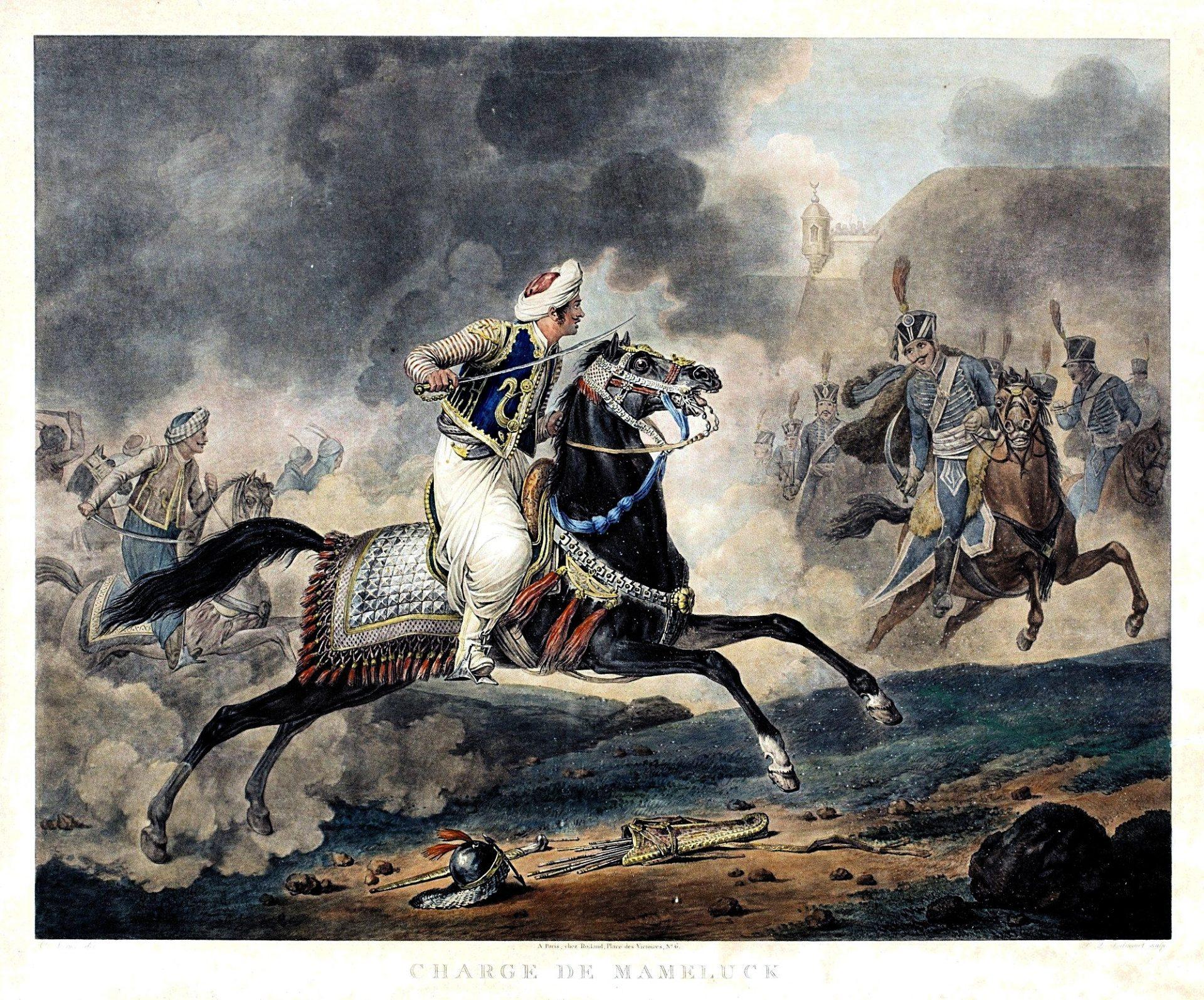
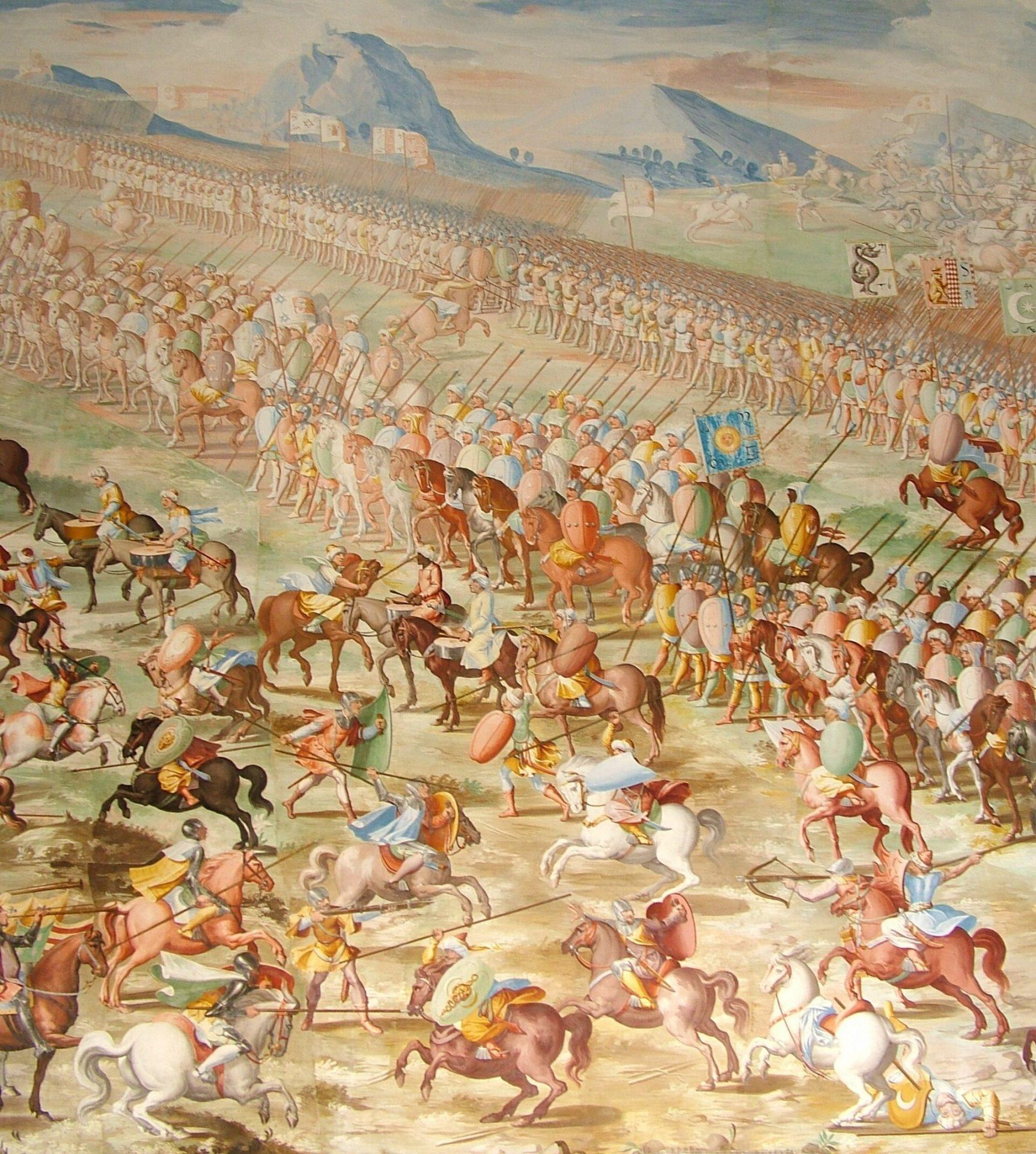
Bred to survive the unforgiving deserts of the Arabian Peninsula, these horses combined exceptional stamina, speed and resilience, making them indispensable to the early Muslim armies that swept rapidly across the Middle East, North Africa and, by 711 CE, into the Iberian Peninsula.
Their mobility enabled swift campaigns across deserts and mountains, allowing lightly equipped cavalry units to outmaneuver larger adversaries.
Arab cavalry frequently favored mares. Valued for their quieter temperament, agility and endurance, mares proved particularly effective during surprise dawn raids and rapid tactical maneuvers.
Centuries later, commanders such as Salahuddin Ayubi (Saladin) drew on the same regional preference for speed over weight.
His horse-archers — largely Kurdish and Turkish mamluks — repeatedly outmaneuvered Crusader forces mounted on the massive war stallions favored in Europe, demonstrating the effectiveness of maneuverability over brute force and influencing medieval warfare across Europe and the Middle East.
A revered place in Islamic scripture
The horse’s importance extended far beyond the battlefield.
The Quran and the Hadith portray horses as divine blessings closely associated with defense, sacrifice and communal strength.
Surah Al-‘Adiyat opens with an oath sworn by war horses — “by the charging steeds, panting, striking sparks of fire.” Elsewhere, the Quran encourages believers to maintain preparedness, including keeping horses ready for defense.
The Prophet Muhammad (peace and blessings of God be upon him) further elevated their status through the widely cited saying that “goodness is tied to the forelocks of horses until the Day of Judgment.”
Together, these teachings established horses not merely as military assets but as creatures deserving respect and careful stewardship. Islamic legal and ethical traditions subsequently emphasized humane treatment, discouraging overburdening animals, striking them in the face or causing unnecessary suffering.

From battlefield companion to literary icon
Islamic reverence for horses found lasting expression in Arabic literature.
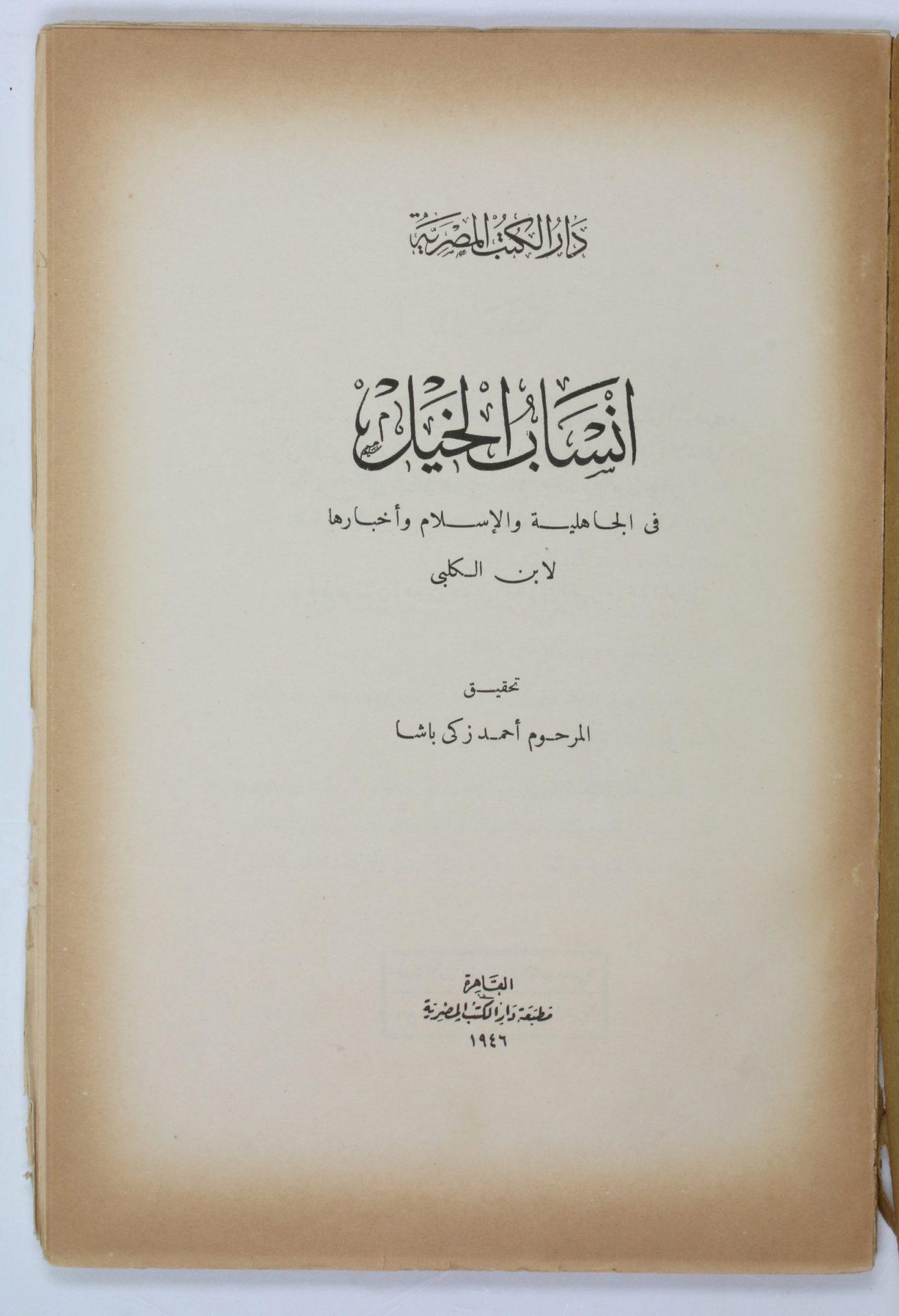
Among the earliest surviving works devoted exclusively to horses is Ibn al-Kalbi’s Ansab al-Khayl (“The Lineage of Horses,” written around 819 CE/204 AH), which documents Arabian bloodlines while intertwining genealogy with legend.
Classical poets transformed the horse into a metaphor for honor, endurance and identity.
The sixth-century poet Imru’ al-Qais, in his Mu’allaqa, immortalized the speed of his mount, portraying it as simultaneously charging, retreating and advancing “like a boulder hurled by a mountain torrent.”
He described a horse with “the flanks of a buck, the legs of an ostrich and the gallop of a wolf,” illustrating the lean athleticism prized in Arabian horses.
For the pre-Islamic warrior-poet Antarah ibn Shaddad, the horse became an inseparable companion in battle, symbolizing loyalty and courage.
Centuries later, the 10th-century poet Al-Mutanabbi distilled that relationship into one of Arabic literature’s most enduring lines: “The horses, the night and the desert know me.”
Together, these works transformed the horse from a military necessity into a symbol of nobility, honor and cultural memory.
Al-Khamsa and the rise of equine scholarship
Islamic tradition also preserves the legend of Al-Khamsa, the five mares said to have been chosen by the Prophet Muhammad (peace and blessings of God be upon him) for their loyalty, obedience and endurance.
Although historians debate the story’s authenticity, it profoundly influenced Arabian horse breeding and reinforced the ideal of preserving pure bloodlines. That reverence helped foster one of the medieval world’s most sophisticated traditions of equine scholarship.
Muslim scholars documented pedigrees, breeding practices, veterinary care and horsemanship with precision, laying foundations that shaped later approaches to bloodline recording.
The horse also became inseparable from Furusiyya — the Islamic code of horsemanship, martial training and chivalry — in which mastery of riding, archery, swordsmanship and ethical conduct defined the ideal warrior.
Central Asia: cradle of horse domestication
While Arabia refined the horse into an instrument of empire, the Eurasian steppe was the birthplace of domestication itself, many archaeologists say.
Evidence from Kazakhstan’s Botai culture, dating to around 3500 BCE, includes horse teeth bearing bit wear and pottery containing residues of fermented mare’s milk, suggesting that people were riding, breeding and milking horses thousands of years before similar practices became widespread elsewhere.
This breakthrough revolutionized transportation, communication and warfare.
Mounted mobility allowed pastoral communities to migrate across immense grasslands, manage vast herds and establish far-reaching networks of trade and cultural exchange.
Nomadic confederations — including the Xiongnu, Huns, Avars and later the Mongols — built military systems centered on highly mobile mounted archers whose speed reshaped Eurasian history.
At the same time, horses enabled merchants, diplomats and travelers to traverse deserts, mountains and steppes, turning Central Asia into the crossroads of Eurasian civilization.
Storied breeds and enduring traditions
Centuries of selective breeding produced some of history’s most celebrated horses.
Among them was the Akhal-Teke, known for its metallic sheen, endurance and athleticism, and the Fergana horses, whose stamina inspired the Chinese to call them “heavenly horses.”
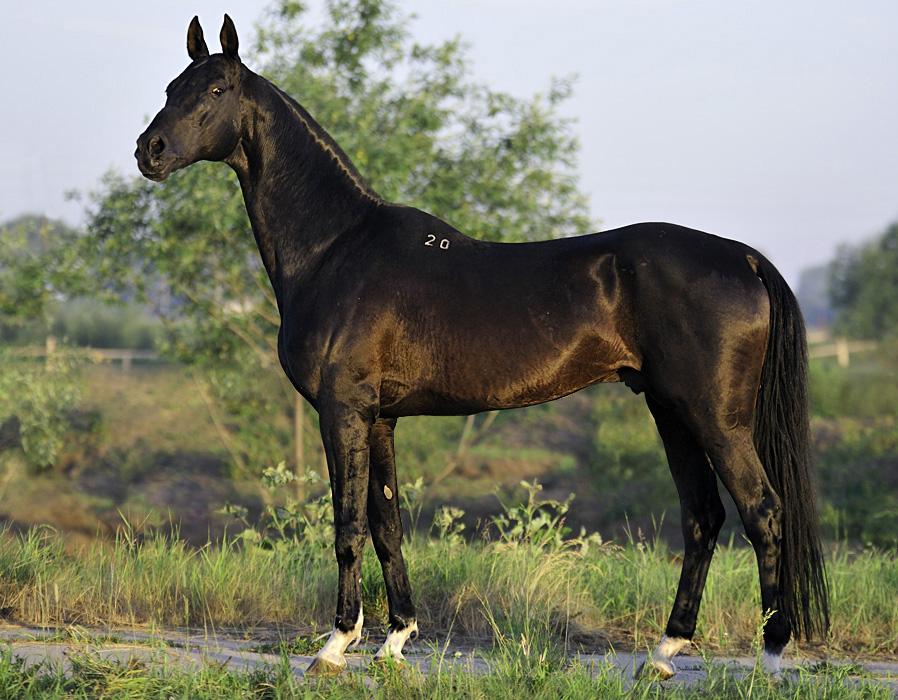
According to Chinese historical records, the Han Dynasty launched military expeditions into the Fergana Valley to secure these animals for its cavalry, underscoring the strategic value attached to elite horse breeds.
Across Central Asia, horses became symbols of prosperity, freedom and vitality.
Traditional customs remain closely linked to equine life, including Kazakhstan’s Biye baylau ceremony marking the tethering and first milking of mares, as well as the production and communal sharing of “koumiss,” fermented mare’s milk.
Ancient equestrian games such as Chovgan and long-distance steppe horse races continue to attract competitors and spectators, preserving traditions passed from one generation to the next.
Horses that carried the Silk Road
Although silk gave the Silk Road its name, many historians argue that horses provided much of its strategic foundation.
Long before luxury goods dominated Eurasian commerce, powerful agricultural empires exchanged vast quantities of silk, tea and precious commodities for the superior cavalry horses bred by Central Asian nomads.
The relationship created a mutually beneficial economic system in which sedentary states depended on steppe breeders for military strength, while nomadic societies relied on trade for manufactured goods.
The Han Dynasty’s determination to obtain the Fergana horses helped formalize long-distance diplomatic and commercial routes linking China with Central Asia and beyond.

(Wikimedia Commons – Metropolitan Museum of Art)
Over subsequent centuries, state-sponsored trading systems — including the Tea Horse Road — institutionalized these exchanges, demonstrating that the demand for elite cavalry horses was one of the principal forces binding together the ancient Eurasian trading world.
Today, centuries after horses ceased to dominate warfare and commerce, their legacy remains deeply woven into the cultural fabric of the Islamic world and Central Asia. From Quranic verses and classical poetry to nomadic festivals, equestrian sports and living pastoral traditions, the horse continues to symbolize resilience, freedom and honor — a legacy now recognized globally through World Horse Day.


Read also