Europe’s summer of fire: Three back-to-back heatwaves, more than 20,000 estimated dead
Sientists say extreme heat that opened season would have been 'virtually impossible' without human-caused climate change
© AA
By MNTV Staff Writer
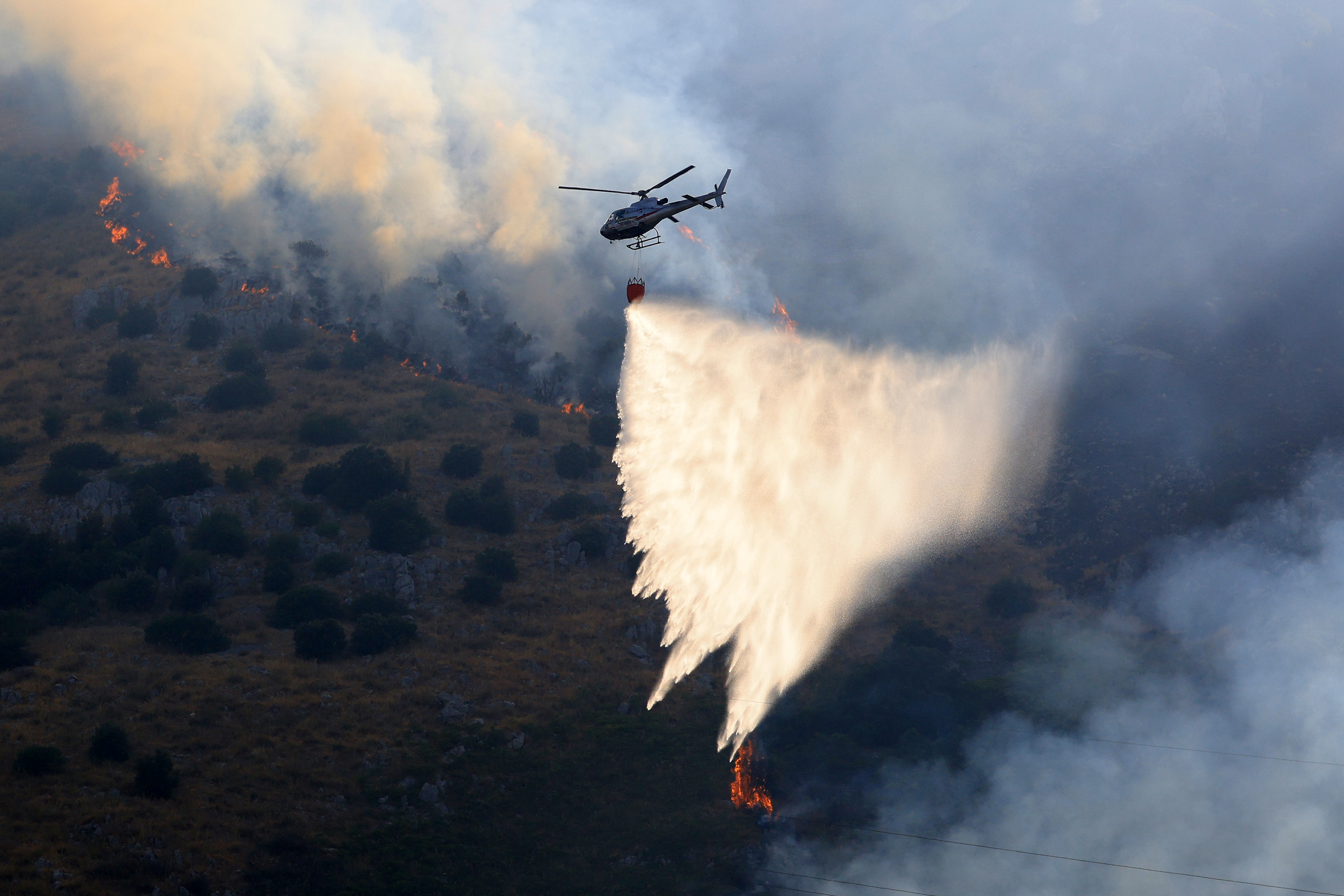
Europe is enduring what may prove the deadliest and most destructive summer in its modern history, with three successive heatwaves since late May, a wildfire season that has already scorched more land than the annual average of the past two decades, and mortality estimates running into the tens of thousands.
The heat has moved south. Britain, France, and Germany have cooled from their June peaks, but the Mediterranean rim is now bearing the brunt: Spain, Italy, and Greece are all under red-level heat or wildfire alerts, while the Balkans have swung violently from record temperatures into destructive hailstorms and flash flooding.
Current emergency
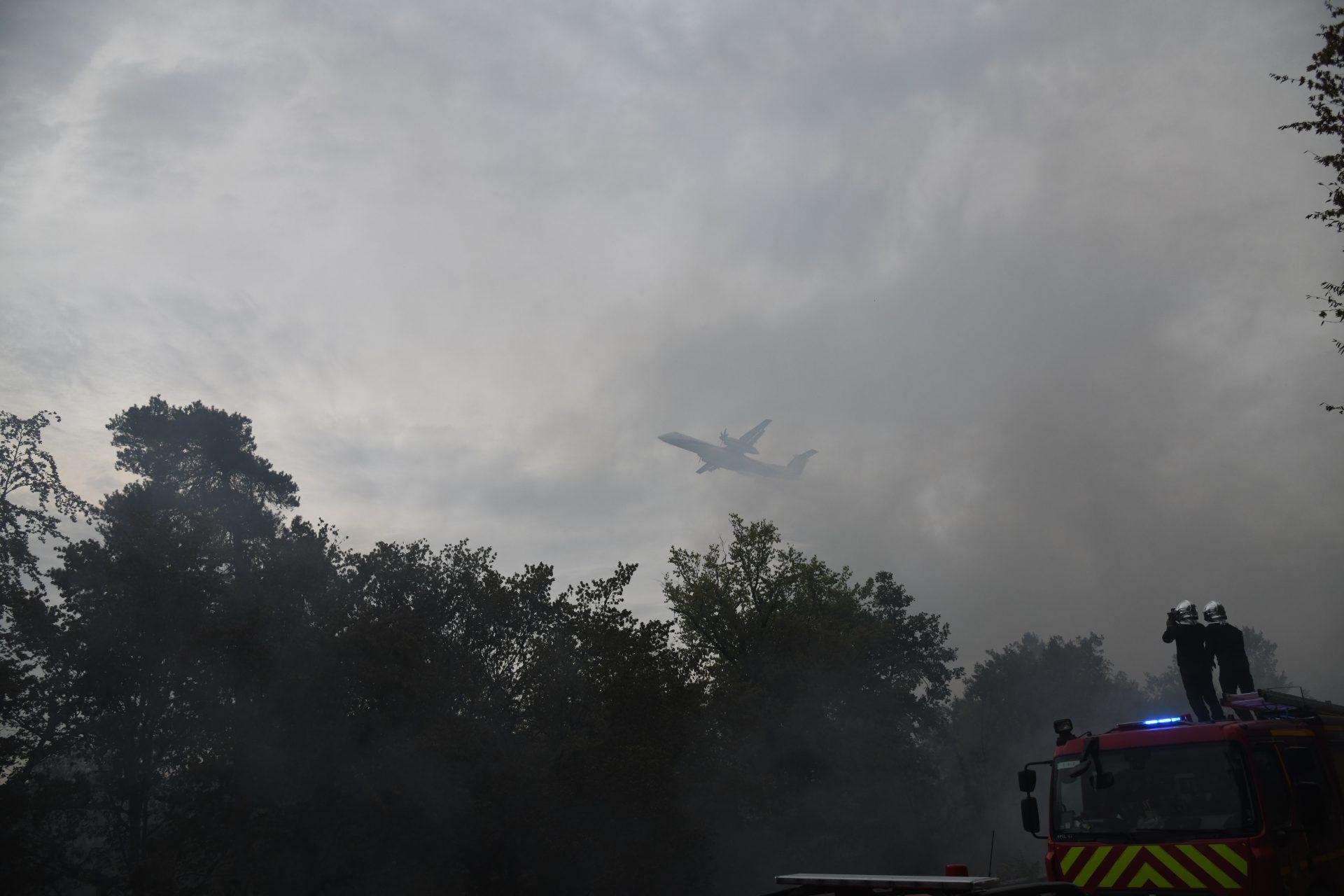
Firefighters in Spain and France warned on Wednesday that the risk of further blazes over the coming days remained very high.
Spain’s weather agency AEMET classified wildfire danger as very high or extreme across most of the mainland and the Balearic Islands.
A fire in the central province of Guadalajara has burned some 32,000 hectares — around 79,000 acres — making it one of the largest ever recorded in Spain, and forced the evacuation of more than 30 villages.
It has begun to recede, allowing residents of five villages to return, though restrictions remain. Prime Minister Pedro Sánchez, visiting the region, said Spain had already suffered 22 major wildfires this year. Separate blazes are burning in Huelva province in the south.
France has fared no better. Two firefighters were killed on Tuesday when their truck was engulfed by flames in the southwestern Gironde region. A fast-moving fire near Lège-Cap-Ferret, west of Bordeaux, has burned more than 3,400 hectares and forced over 20,000 residents and holidaymakers to evacuate. The total area burned in France so far this year has already surpassed the country’s previous annual record of 66,300 hectares set in 2022 — and it is only late July.
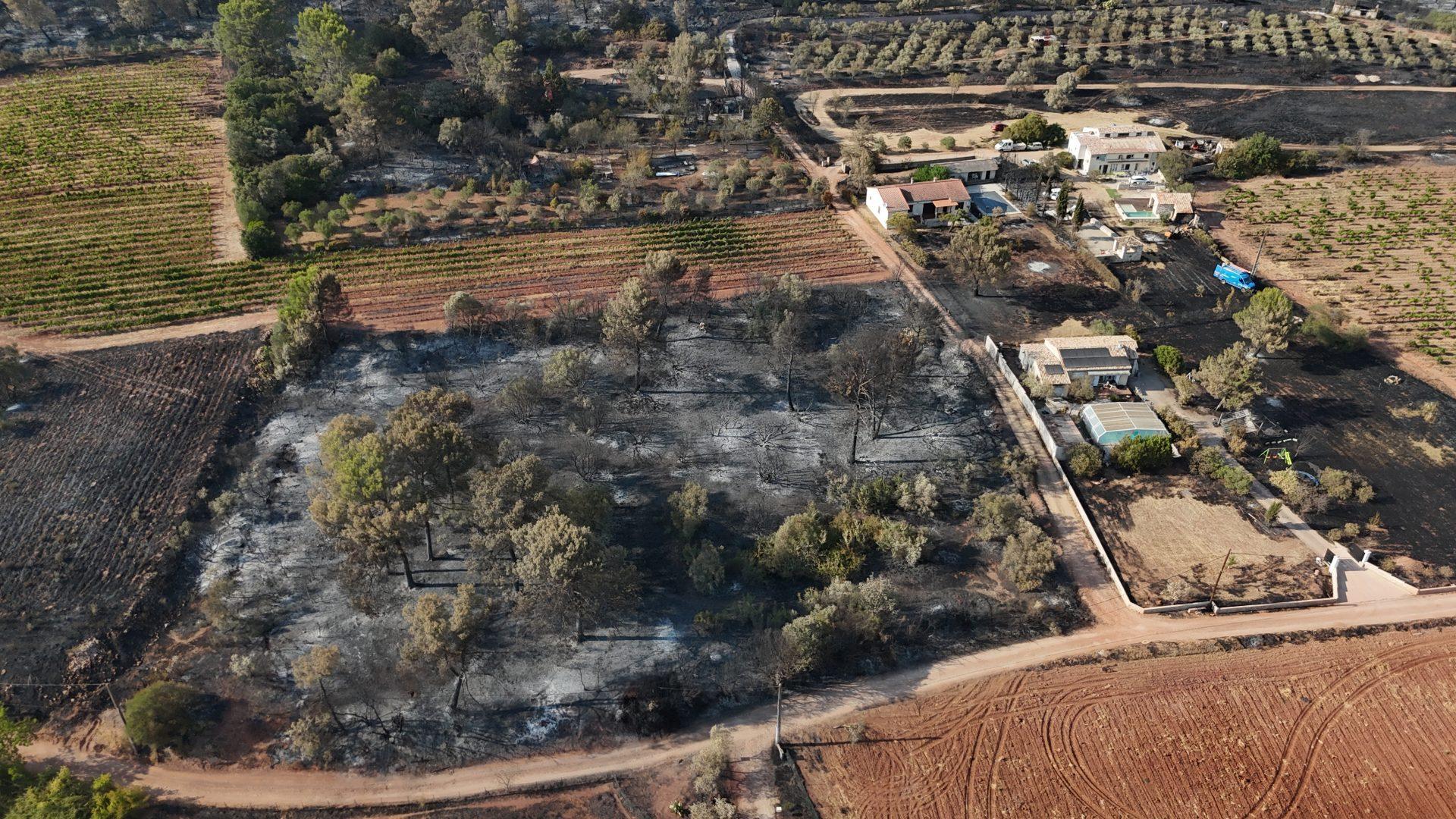
President Emmanuel Macron said last week that France had not seen so many fires since the Second World War. Authorities have urged the public to avoid barbecues in heat-affected areas, noting that nine out of ten wildfires are started by human activity, whether accidental or deliberate.
In Italy, multiple fires burned across Sicily on Wednesday, prompting scattered evacuations. The civil protection agency has for days classified the entire island as being at the highest wildfire risk, with winds and temperatures near or above 40C fuelling blazes from Palermo in the north to Catania in the east and Agrigento in the west.
Greece, with temperatures forecast above 41C, has banned outdoor work during peak midday hours — a measure also adopted in Cyprus. In North Macedonia, 11 people were hospitalised, three seriously, after a storm felled trees, damaged roofs, and cut power across the country.
Counting dead
The mortality figures are still being assembled, and they are grim.
EuroMOMO, the European mortality monitoring system backed by the European Centre for Disease Prevention and Control and the World Health Organization, recorded more than 10,000 excess deaths across 27 countries during the single week of June 22 to 28 — the peak of the second heatwave. More than 9,000 of those were among people aged 65 and over.
A separate statistical analysis by Christopher Callahan, a climate scientist at Indiana University Bloomington, put the toll considerably higher. Using a model that maps how mortality rates rise with temperature across Europe, Callahan estimated 20,390 heat-related deaths between June 22 and 28. In his assessment, the greatest mortality occurred in France (5,210), Germany (4,543), Spain (3,163), and Italy (2,709).
The study notes that the vast majority of deaths likely occurred during that single week, when temperatures exceeded 40C across many countries. The work is a preprint and has not yet been peer-reviewed; it is a statistical estimate rather than an official count.

Germany’s Robert Koch Institute had logged 6,830 heat-linked deaths by early July.
Belgium’s statistical authorities, reporting their own excess mortality, noted that some excess deaths are expected during any heatwave, cold spell, or flu epidemic — but described the June 2026 event as distinguished by its exceptional geographical breadth.
“Virtually impossible without climate change”
The scientific verdict on the cause has been unusually direct.
The World Weather Attribution group — a consortium of researchers from institutions including Imperial College London, the UK Met Office, and the London School of Hygiene and Tropical Medicine — concluded that the June heatwaves would have been virtually impossible without human-caused climate change.
Mark McCarthy, science manager of the Met Office’s climate attribution team, said the events were extreme heatwaves not only for the UK but for all of western Europe, and were particularly exceptional for their timing and how early in the year they arrived.
The UK and much of Europe experienced two unprecedented heatwaves in May and June, with monthly records set in England at 35.1C and 37.7C respectively.
Copernicus, the EU’s climate monitoring service, confirmed that June 2026 was the hottest June ever recorded for western Europe and the second warmest globally, driven by the highest sea surface temperatures ever measured for the month. Spain’s Fabra Observatory in Barcelona, one of the World Meteorological Organization’s long-term observing stations, recorded 40.5C.
The first heatwave of the year arrived on 24 May and produced temperatures 10 to 15 degrees above normal, shattering all-time records for May and springtime heat across affected areas. Mora, in Portugal, hit 40.3C on 27 May.
What research says about death toll
The scale of the risk is now well documented in the peer-reviewed literature.
A study published in The Innovation in October 2025 analysed climate and mortality data from 2,013 locations across 67 countries and estimated 178,486 excess deaths globally linked to the 2023 heatwaves — around 0.73 per cent of all deaths worldwide that year, or 23 deaths per million people. The highest mortality rates were in Southern, Eastern, and Western Europe. Crucially, the study attributed 54.29 per cent of global heatwave-related deaths that year to human-induced climate change.
Earlier research established the baseline for Europe.
More than 61,600 people died from heat stress in the summer of 2022 — a figure that carries particular weight because, unlike during the catastrophic 2003 heatwave that killed over 70,000, most European countries by then had heat prevention plans in place. Hicham Achebak, one of the study’s authors, observed that the death toll suggested existing adaptation strategies may still be insufficient.
Women died at markedly higher rates than men, and Italy, Greece, Spain, and Portugal recorded the highest mortality.
A 2025 analysis in Nature Medicine put the 2024 European heat death toll at more than 62,700.
Research cited by the European Environment Agency has found that heatwaves cause more deaths in Europe than all other natural hazards combined.
Public health emergency, not a weather event
The World Health Organization’s European office has been explicit about how it views the crisis. On July 7, WHO/Europe convened an emergency call on extreme heat that brought together representatives from 41 member states, the European Commission, and civil society groups — more than 130 participants in total.
The organisation described the turnout as a clear signal that countries are now treating extreme heat as a public health emergency rather than merely a weather phenomenon.
Its warning at the time was that the next heatwave was already building over the Atlantic, with Portugal and southern Spain forecast to reach 43C, France and the Benelux bracing for another surge, and parts of central Asia baking under 40C heat.
The statement carried a blunt title: more deadly weeks may still lie ahead.

Europe, fastest-warming continent
The underlying trend is now unmistakable. Europe is warming faster than any other continent — roughly twice the global average — and the consequences are compounding.
Scientists note that human-driven climate change is intensifying not only heatwaves but the droughts and wildfires that follow them, while simultaneously creating the atmospheric conditions for sudden, violent storms of the kind that battered the Balkans this week.
The pattern of 2026 has been particularly striking for its timing. Both this year and last, the first major heatwave arrived in the last week of May — a season that, within living memory, was reliably temperate across most of the continent.
European authorities have warned that extreme wildfire danger could persist through August.
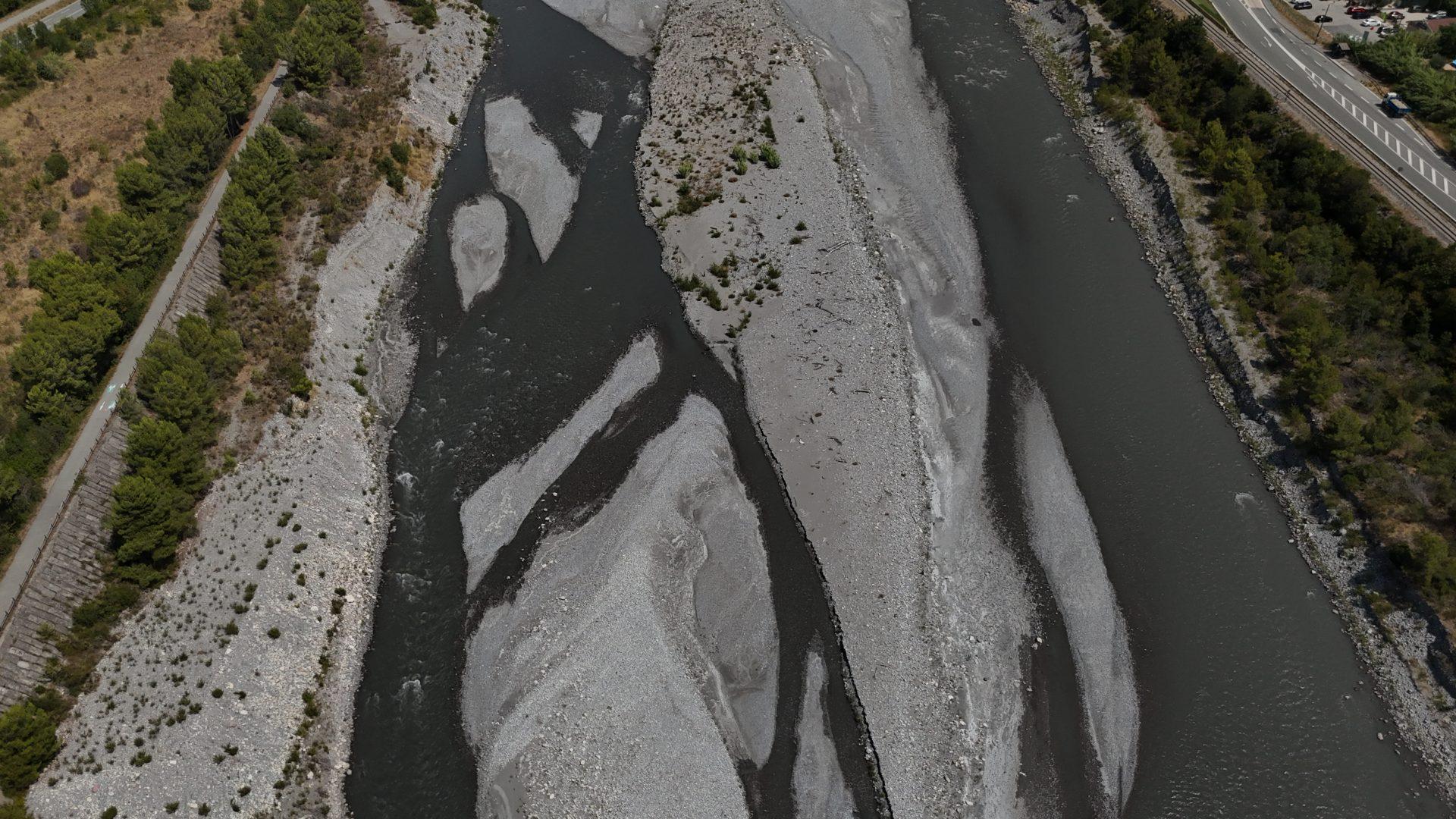
The UK, meanwhile, is enduring its driest spell in decades.
For the tens of thousands of families who have lost someone this summer, and for the tens of thousands more evacuated from their homes, the abstraction of climate modelling has become something considerably more immediate.
As one of the scientists behind the World Weather Attribution work put it after a similar event last year: these numbers represent real people who have lost their lives in the last days because of extreme heat.



Read also