Europe rallies behind ICC as Trump sanctions its president and a senior prosecutor
US has blacklisted court's Japanese president, Judge Tomoko Akane, and Senegalese trial lawyer — latest in widening campaign that now targets half court's judges
© File (AFP)
THE HAGUE (MNTV) — European leaders have closed ranks around the International Criminal Court after the United States imposed a fresh round of sanctions on two of its senior figures, in what the court and its defenders describe as a direct assault on the independence of international justice.
The latest U.S. designations, announced Wednesday, target the ICC’s president, Judge Tomoko Akane of Japan, and Abdoulaye Seye of Senegal, a senior trial lawyer in the Office of the Prosecutor.
They form part of the sanctions campaign President Donald Trump launched against the court in February 2025. By the ICC’s own count, nine of its 18 judges, both deputy prosecutors, its former prosecutor and a staff member are now under US sanctions — meaning half the bench has been blacklisted by Washington.
The court rejected the measures outright, calling them “flagrant attacks” on judicial independence.
European condemnation was swift and broad.
European Commission President Ursula von der Leyen and European Council President António Costa said they stood firmly with the court, its president and the officials who uphold its mission, arguing that its judges must be able to act independently and without external pressure to deliver justice to victims of the world’s most horrific crimes.
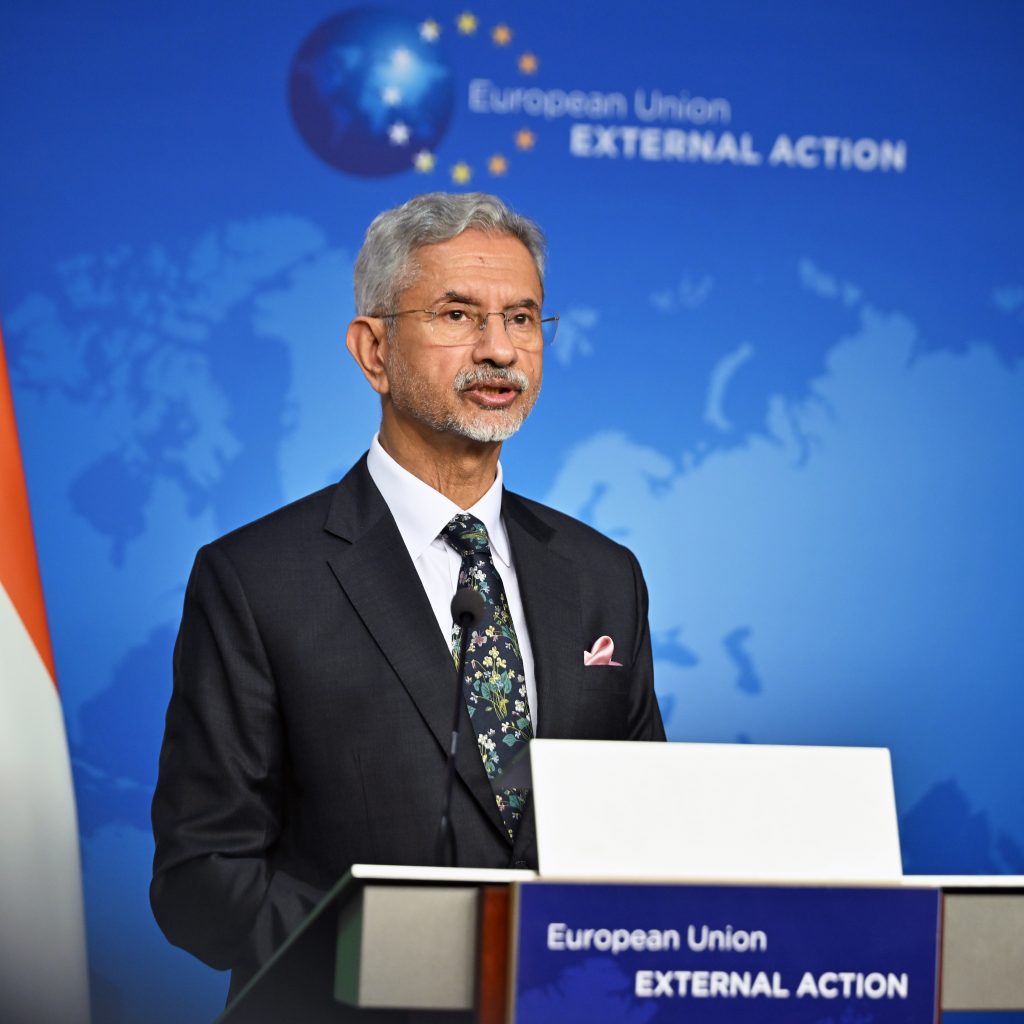
The EU’s foreign policy chief, Kaja Kallas, said the bloc “deeply regrets” the U.S. decision and reiterated its “unwavering support” for a court she called a cornerstone of international criminal justice and the global fight against impunity.
Sanctions against the court and its personnel, she warned, only undermine its work, and the EU would continue protecting it from external pressure, intimidation or interference.
National governments echoed the message.
Germany’s foreign ministry said the ICC had exposed heinous crimes against humanity and was fulfilling its mandate exactly as intended; while acknowledging the court could be criticised for shortcomings, deputy spokesman Martin Giese said such flaws were “under no circumstances” grounds to question its achievements.
Spain’s foreign ministry called the sanctions “a flagrant attack” on the court’s independence and impartiality. The Netherlands, the court’s host state, said international tribunals must be free to carry out their mandates, with Foreign Minister Tom Berendsen voicing his disapproval.
Britain’s Foreign Office stressed its support for the court’s independence and its determination to see those responsible for the gravest international crimes held to account.
The sanctions are widely seen as retaliation for the ICC’s pursuit of arrest warrants against Israeli leaders over the genocide in Gaza — the issue that first prompted Washington’s campaign against the court.
Israel is not a member of the ICC, and neither is the United States.
For the court, the practical effect is significant: sanctioned officials can face asset freezes and travel restrictions that hamper their work.
But the show of European solidarity suggests Washington’s pressure has, for now, hardened rather than broken the coalition of states determined to keep the court functioning.


Read also