Iran central bank chief says economy has withstood US pressure
Hemmati says Tehran has contained inflationary pressures as Washington steps up sanctions campaign
© AA
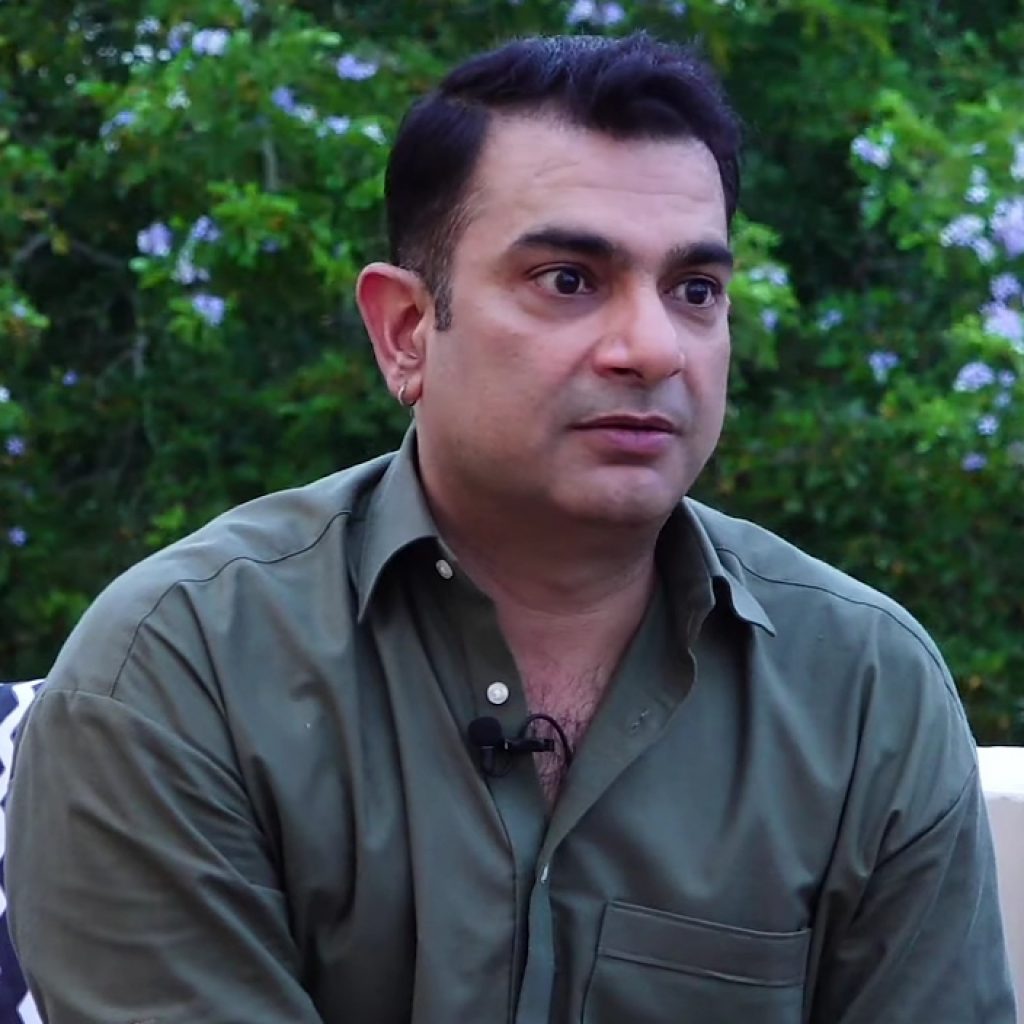
TEHRAN, Iran (MNTV) — Iran’s central bank governor, Abdolnaser Hemmati, said the country’s economy has withstood intense U.S. economic pressure, arguing that Washington has failed to trigger the catastrophic inflation and economic collapse it sought.
In a televised interview, Hemmati acknowledged the economic pressures facing Iranians but said the Central Bank had prevented the most severe threats posed by the U.S. campaign.
“I am not talking about low inflation; I am talking about the fact that heavy, catastrophic inflation was supposed to happen, and this was one of America’s primary goals — a goal that Trump and his Treasury secretary repeat every day,” Hemmati said.
“Fortunately, this did not happen, and the Central Bank has a plan and is actively pursuing liquidity control,” he said.
Hemmati said U.S. predictions that Iran would face economic collapse had not materialized.
“They planned to bring Iran to economic collapse within two weeks, claim victory, and leave. Now, nine months have passed,” he said.
“Now they come and say that in another two weeks, Iran will collapse economically. Ten days have passed since that claim, and we are on the front lines of the economic war. We will give them the exact same answer: the result they want is the result they will get themselves.”
Hemmati cites currency-market pressure
Addressing fluctuations in Iran’s foreign exchange market, Hemmati said U.S. threats, sanctions announcements and social media campaigns were contributing to psychological pressure on the Iranian economy.
“When inflation expectations rise, it is natural that people turn to assets that can hedge against potential currency devaluation,” he said. “This drove up demand in the market.”
Hemmati said the Central Bank had a “reaction function” for such circumstances and moved into the market to manage the currency and counter manufactured shocks.
He also said Iran retained sufficient tools and foreign exchange resources to manage the pressure.
“As they claimed 90% of their missiles were depleted, only to see a continuous stream of missiles, they constantly claim our currency and revenues are finished, but they see that nothing has happened,” Hemmati said.
The remarks came as Washington continues its Operation Economic Outcast, a U.S. Treasury campaign launched in August to target Iran’s financial networks, oil revenues and other economic channels. The Treasury has since expanded the campaign to include sanctions targeting Iran-related military procurement, industrial networks and sanctions-evasion mechanisms.
Former oil minister rejects Trump’s account
Former Iranian oil minister Mohsen Paknejad separately rejected U.S. President Donald Trump’s account of his resignation, saying his departure had nothing to do with claims Trump made about Iran’s economy and oil industry.
“My resignation has nothing to do with Trump’s claims last night,” Paknejad said in a message released Wednesday following his resignation.
Paknejad described himself as “a soldier of the homeland” and said Iran’s oil production and exports had continued despite U.S. sanctions and pressure.
He said he had been sanctioned by “the number one enemy of the Iranian people” only a few months after taking office, but credited oil industry workers with maintaining production and exports.
“Having suffered a hard blow, it is natural for them (the U.S.) to resort to making such false claims,” Paknejad said.
His statement followed Trump’s claim that millions of barrels of oil had passed through the Strait of Hormuz in recent days and that Paknejad had resigned because Iran had “no economy” and “no oil.”
Trump told reporters outside the White House that Iran’s economy was in very poor condition and claimed the Iranian oil minister had said, “We have no economy. We have no oil. We have nothing.”


Read also