Egypt highlights integrated water strategy at Japan forum
Minister outlines water reuse, desalination and governance initiatives as Egypt promotes sustainable solutions to address water scarcity and strengthen climate resilience
© File Photo
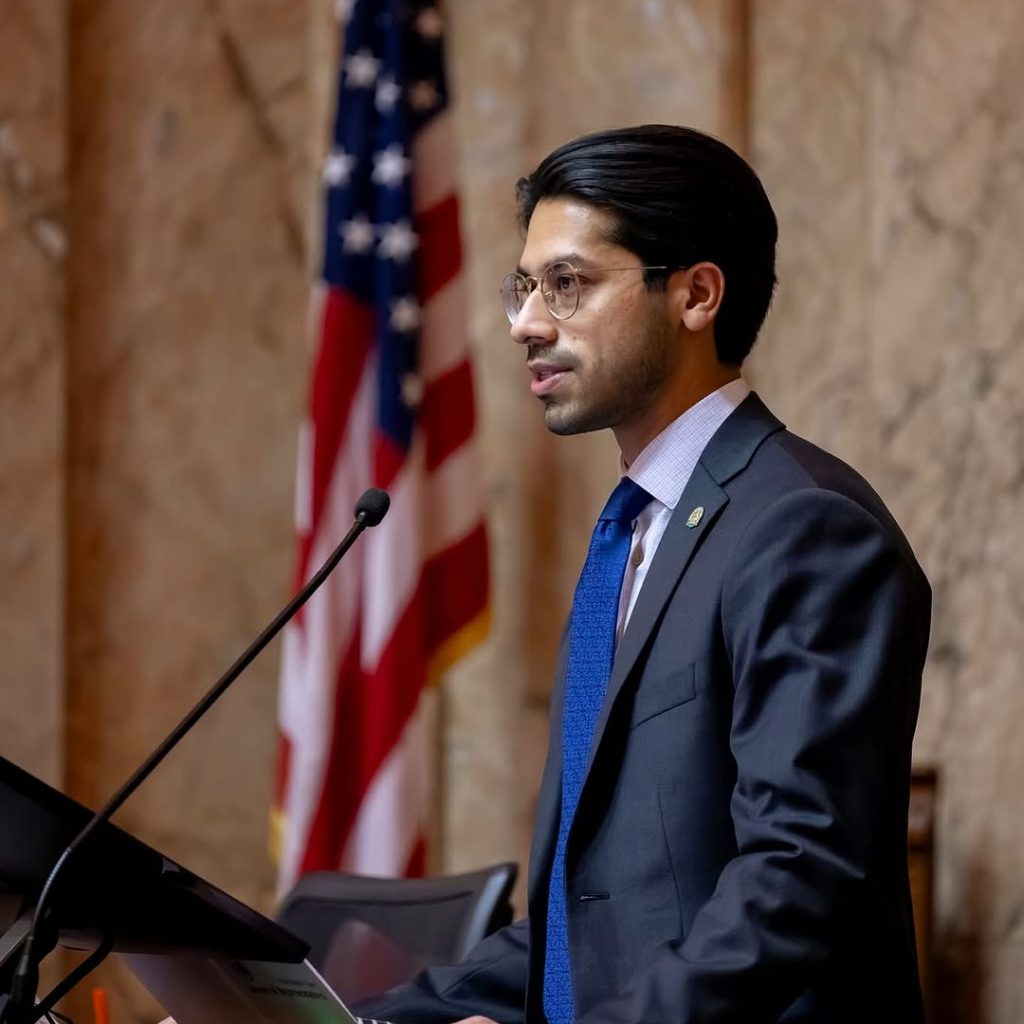
TOKYO, Japan (MNTV) — Egypt presented its integrated approach to water management during a high-level forum in Japan marking the 50th anniversary of Water Day and Water Week, where officials highlighted the country’s efforts to tackle water scarcity through innovation, governance and international cooperation.
Egyptian Minister of Water Resources and Irrigation Hani Sewilam addressed the event, which was attended by Emperor Naruhito, senior Japanese officials, international organizations and development partners.
Participants included representatives from the World Bank, the United Arab Emirates, Japan’s business federation and the International Centre for Integrated Mountain Development, along with Egypt’s Ambassador to Japan, Ragy Etreby.
Sewilam outlined Egypt’s strategy for managing limited water resources, emphasizing projects that expand the reuse of treated agricultural drainage water to reduce the country’s water deficit while supporting agricultural production.
He also highlighted Egypt’s experience with Water User Associations, saying the system enables local beneficiaries to participate in operating, maintaining and managing irrigation networks, improving water-use efficiency and strengthening community involvement in water governance.
The minister said institutional coordination remains central to Egypt’s water policy, pointing to the National Water Council, chaired by the prime minister, as the body responsible for aligning water-related policies and programs across government agencies.
Sewilam also presented Egypt’s “Water, Sun and Sand” concept, which combines solar-powered desalination with agricultural development in desert and coastal areas.
He said the model could help improve water availability, boost food production and support climate adaptation efforts in water-scarce countries.
He further stressed the importance of expanding public-private partnerships to attract investment, promote technology transfer and accelerate water infrastructure projects that contribute to sustainable development and climate resilience.


Read also