A record Muslim slate advances toward the US midterms
From Senate bid in Michigan to House seats in New Jersey and California, Muslim candidates have won their primaries despite wave of Islamophobic attacks
© Adam Hamawy
WASHINGTON (MNTV) — A record number of Muslim American candidates have won their 2026 primary contests and are advancing to November’s midterm elections, a shift that has moved the community from the political margins toward the center of several closely watched races — even as candidates face intensifying anti-Muslim attacks.
The most prominent is Abdul El-Sayed, who on Aug. 5 won the Democratic Senate primary in Michigan, a swing state with large Arab and Muslim populations.
The physician of Egyptian descent overcame more than $60 million in spending, mostly from pro-Israel groups, to defeat Congresswoman Haley Stevens, and will face Republican former Congressman Mike Rogers in a race that could help decide Senate control.
If he wins in November, he would become the first Muslim U.S. senator.
Days later, on Aug. 11, Representative Ilhan Omar of Minnesota won her Democratic primary in a landslide, taking 80.7 percent of the vote for a fifth term.
She is among a group of Muslim incumbents seeking re-election that also includes Rashida Tlaib of Michigan, Andre Carson of Indiana, and Lateefah Simon of California — a bloc that did not exist a decade ago.
The 2026 slate also produced new nominees.
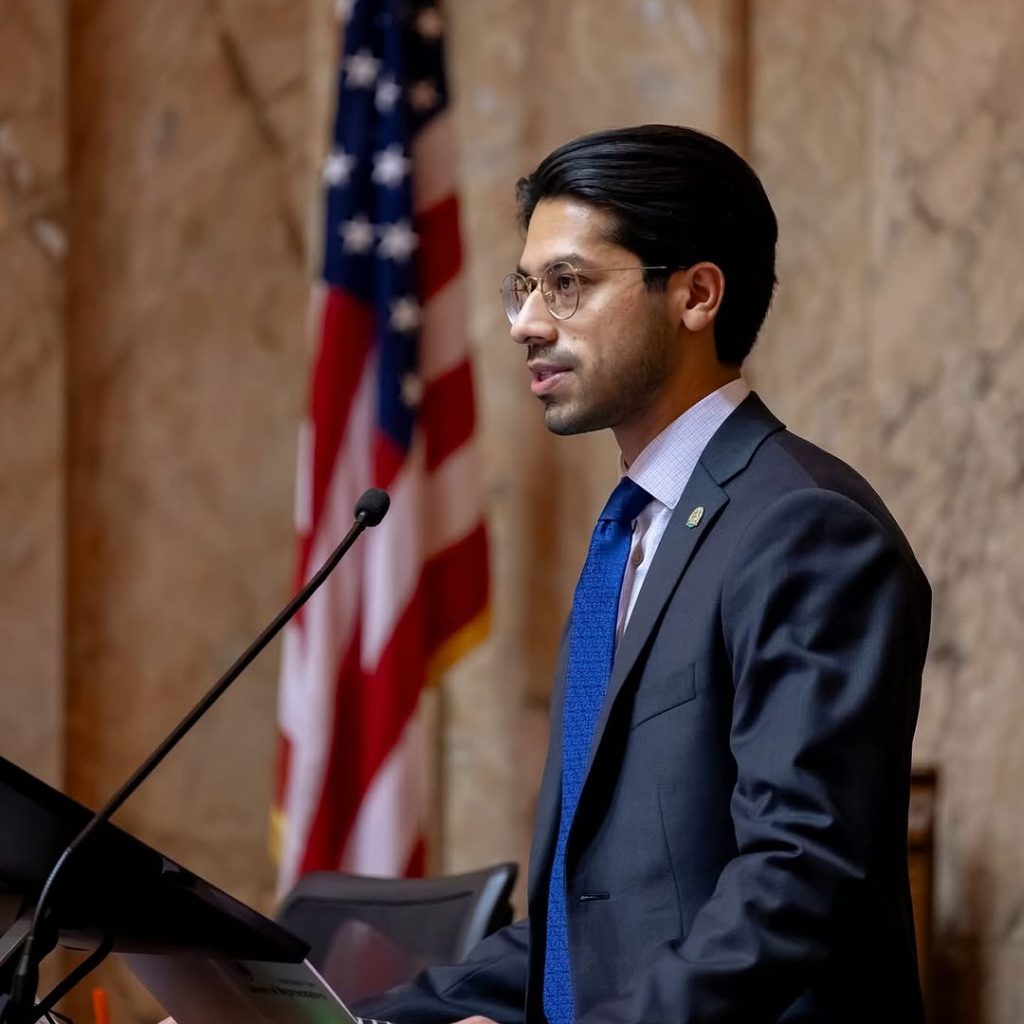
In June, Adam Hamawy, an Egyptian American plastic surgeon and former U.S. Army combat surgeon, won a crowded Democratic primary in New Jersey’s 12th District; he would be the state’s first Muslim member of Congress.
Hamawy, who volunteered as a doctor in Gaza in 2024 and was briefly trapped there when Israel closed the Rafah crossing, ran on redirecting military spending toward healthcare, and was boosted by a pro-Palestinian super PAC formed to counter the American Israel Public Affairs Committee (AIPAC), a pro-Israel lobbying group.
In California, state Senator Aisha Wahab, the daughter of Afghan refugees, also won her House primary.
Advocates say Gaza has been a driving issue.
Emgage Action, a Muslim voter-advocacy group, said much of the community’s energy came from candidates promising a different U.S. approach to what many describe as Israel’s genocide in Gaza — though organizers stress Muslim voters are also focused on healthcare, housing, and living costs like other Americans.
The campaigns have unfolded amid documented hostility.
The Center for the Study of Organized Hate recorded more than 35,000 Islamophobic posts on the platform X in the months after New York Mayor Zohran Mamdani, a Muslim, won his primary.
El-Sayed, Hamawy, and others have been labeled extremists by opponents — attacks their supporters call attempts to make religious identity, rather than policy, the issue.
According to the Council on American-Islamic Relations (CAIR), more than 230 Muslim Americans now hold elected office, the highest number recorded.

Read also