Lebanon approves amnesty law clearing way for thousands of releases
Parliament approves long-delayed measure expected to free more than 2,000 prisoners and detainees amid political divisions
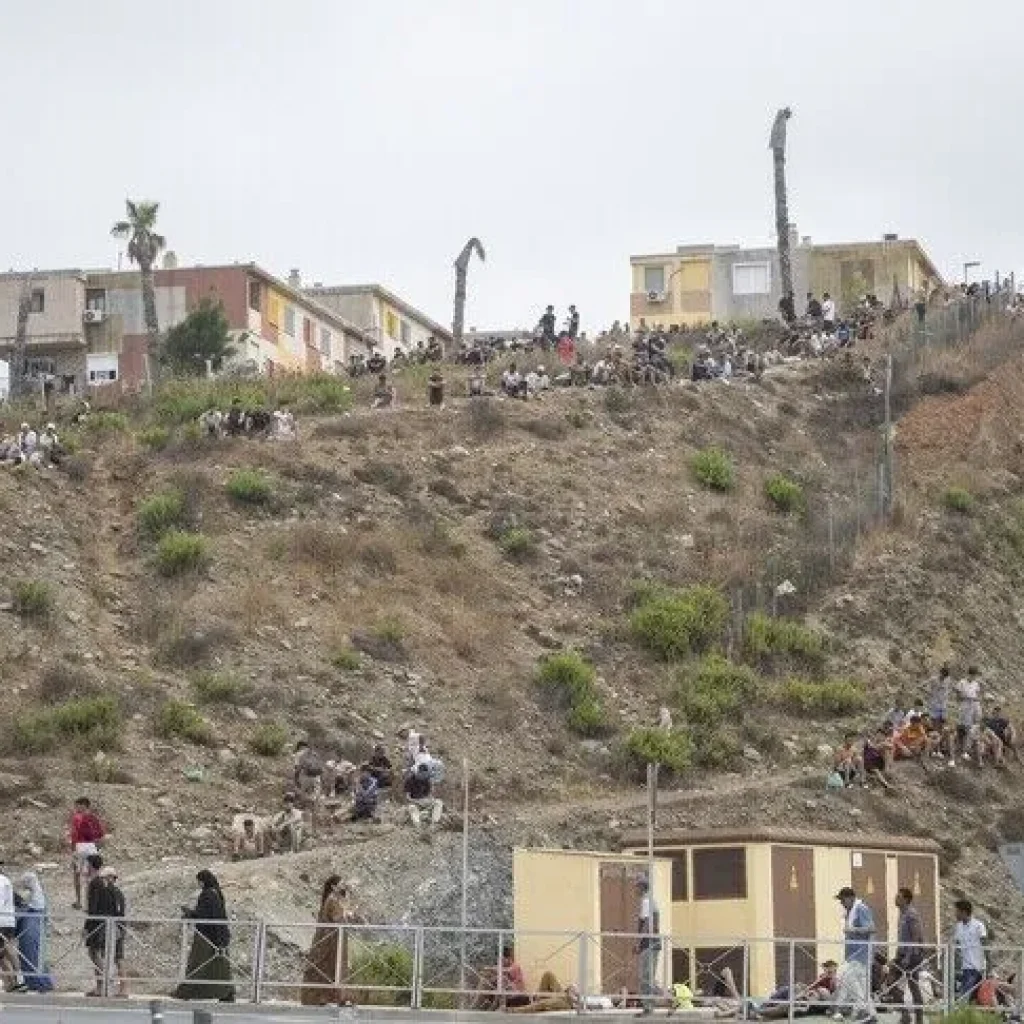
© Anadolu Agency
BEIRUT, Lebanon (MNTV) — Lebanon’s Parliament has approved a long-awaited general amnesty law expected to lead to the release of more than 2,000 prisoners and detainees from the country’s overcrowded prisons.
The legislation was passed by roll call after intense political negotiations that continued through the night. The vote followed Parliament’s approval on Tuesday of legislation abolishing the death penalty.
Lebanon’s prisons currently hold about 8,000 convicted prisoners and people awaiting trial. The new law provides for the release of detainees who have spent more than 14 years in custody without receiving a verdict, although their judicial proceedings will continue.
The amnesty also applies to people who have completed their prison sentences but remain incarcerated because they cannot pay outstanding fines.
Certain offenses involving drug use, specified drug crimes and ordinary theft are also covered, provided they do not fall under the law’s exclusions or provisions concerning repeat offenders.
The legislation excludes serious crimes including terrorism, intentional or premeditated murder, treason, espionage, certain military offenses and cases referred to Lebanon’s Judicial Council.
It also excludes repeat felony drug offenses, corruption, illicit enrichment, money laundering, banking crimes involving depositors’ funds and continuing offenses against public property.
Crimes including rape, incest, human trafficking, domestic violence, sexual assault against minors, torture and enforced disappearance are also excluded, along with certain offenses involving antiquities and the environment.
The law contains a provision allowing some Lebanese citizens who fled to Israel in 2000 to return to Lebanon if they renounce Israeli citizenship.
For crimes that remain outside the amnesty, the legislation replaces the death penalty with a 28-year prison term and reduces life imprisonment with hard labor to 17 years. Other remaining sentences will be reduced by one-third under amendments approved during parliamentary deliberations.
The legislation also introduces stricter consequences for people released under the amnesty if they later commit another crime, with the relevant restrictions applying throughout their lives.
Once published in Lebanon’s Official Gazette and brought into force, the measure is expected to benefit 79 Islamist detainees immediately, along with more than 2,000 other prisoners and detainees.
Many of the Islamist detainees at Roumieh Central Prison are linked to violent confrontations between militants and the Lebanese Army, including the 2007 fighting at the Nahr Al-Bared Palestinian refugee camp involving Fatah Al-Islam militants.
Others are connected to the 2013 clashes in Abra near Sidon between supporters of Sheikh Ahmad Al-Assir and the Lebanese Army, as well as bombings and other security incidents dating from 2013 onward.
The amnesty debate has remained politically sensitive for years, reflecting disputes over lengthy pretrial detention, sectarian grievances and cases involving attacks on Lebanese soldiers.
Prisoners and their families have repeatedly protested against overcrowding, poor prison conditions and lengthy delays in judicial proceedings.
Families of soldiers killed in clashes with militants, however, have opposed measures that could release people accused of attacking or killing members of the army.
Lebanon’s judiciary has also pointed to limited courtroom capacity and a substantial backlog of cases as factors contributing to prolonged pretrial detention.
The competing demands repeatedly delayed the legislation and resulted in several revisions, with lawmakers divided particularly over whether people convicted of killing army personnel should qualify for the amnesty.
MP Bilal Abdullah described the parliamentary approval as the conclusion of a difficult political dispute, while Islamic Group MP Imad Al-Hout said 79 of 146 Islamist detainees covered by the legislation would be released immediately.
The law nevertheless faced criticism from some lawmakers. Amal Movement MP Ghazi Zeaiter called it unbalanced and criticized what he described as its sectarian character, while Lebanese Kataeb MP Elias Hankash argued that the debate demonstrated that the measure was ultimately a political rather than purely judicial decision.
Lebanon has repeatedly used amnesty legislation to address political conflicts and unresolved cases. The most sweeping previous measure was passed in 1991 after the end of the 1975-1990 civil war, covering crimes committed during the conflict and closing thousands of war-related cases.
The latest legislation marks another attempt by Lebanon to address longstanding detention and judicial problems while balancing demands for reconciliation against calls for accountability for serious crimes.

Read also