Iran rejects ceasefire extension as US breaches fuel peace deadlock
Tehran says Washington must honor June commitments before any new truce can be considered, blaming US actions for collapse of talks
© Anadolu Agency
TEHRAN, Iran (MNTV) — Iran has rejected reports that it is negotiating an extension of its ceasefire with the United States, saying Washington’s failure to honor the June interim agreement has left no basis for prolonging the arrangement.
A senior Iranian source said there have been no discussions between Tehran and Washington on extending the ceasefire, dismissing reports that the two sides were preparing to prolong the agreement.
Instead, Tehran has insisted that the United States must first return to the commitments contained in the June interim deal and establish a clear timetable for implementing them. The source said there had been “absolutely no progress” on that issue.
The June agreement was intended to halt military operations and provide a framework for negotiations toward a permanent settlement.
However, the arrangement quickly unraveled after President Donald Trump declared it over on July 7. Iran subsequently suspended implementation, saying Washington had violated the agreement.
Iranian officials have repeatedly argued that Washington cannot demand an extension of an arrangement it failed to uphold.
Foreign Minister Abbas Araqchi said earlier this month that Tehran would not enter direct negotiations with the United States while Washington continued to breach the interim agreement.
Messages between the two sides are instead being exchanged through intermediaries.
The dispute has also centered on US demands concerning the Strait of Hormuz.
Washington has pressed Iran to reopen the strategic waterway, while Tehran has linked its position to US military actions and the fulfillment of commitments under the interim agreement.
An Iranian Foreign Ministry spokesman previously said the situation would not change while what Tehran described as US aggression continued.
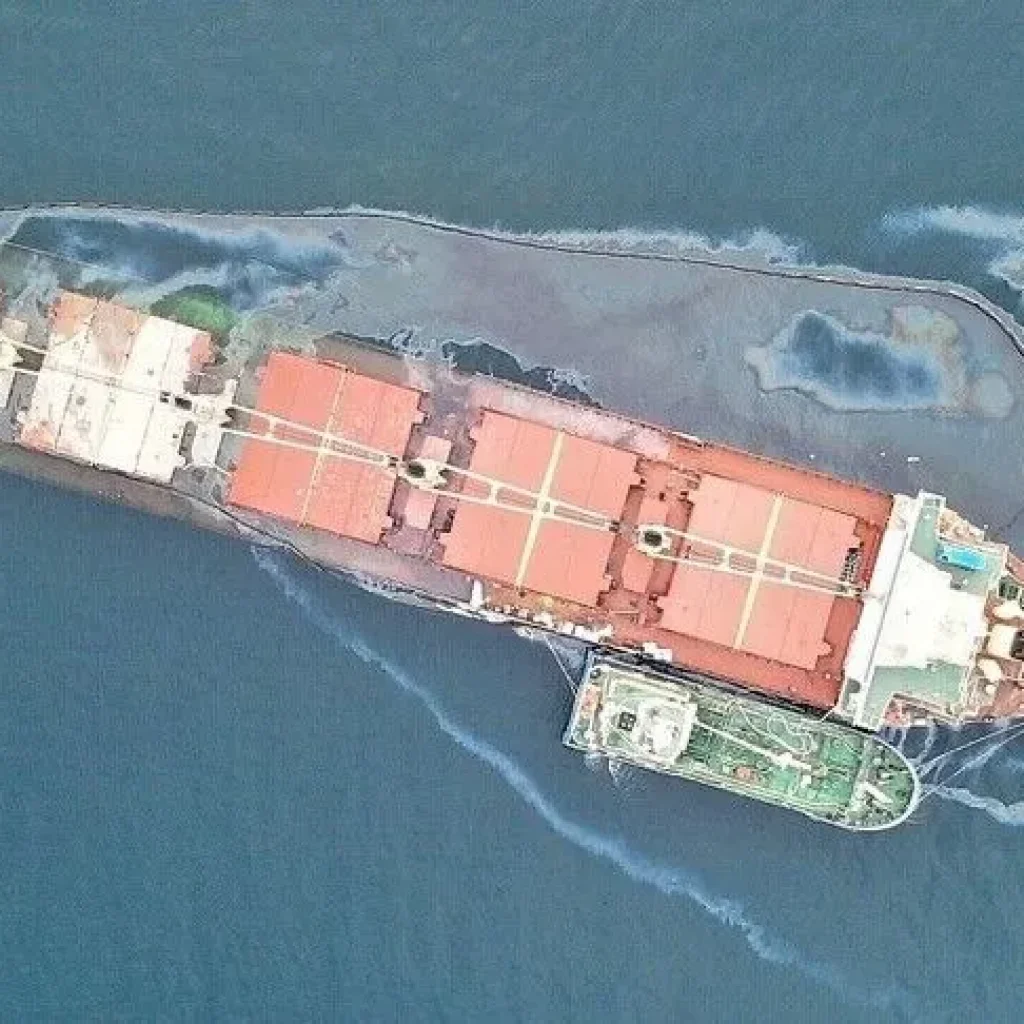
The latest rejection came amid renewed tensions around regional shipping. Reports of attacks on vessels have added pressure to already fragile diplomatic efforts, while Trump has continued making confrontational statements about Iran and the Strait of Hormuz.
The diplomatic impasse is also affecting global energy markets. Reuters reported that Brent crude rose on Wednesday as investors weighed the possibility of a prolonged conflict and continued disruption around major regional shipping routes.
For Tehran, the issue is therefore not whether to simply extend an existing ceasefire, but whether Washington is prepared to return to an agreement whose commitments Iran says the US abandoned. Until that happens, Iranian officials say there is no ceasefire-extension process to discuss.

Read also