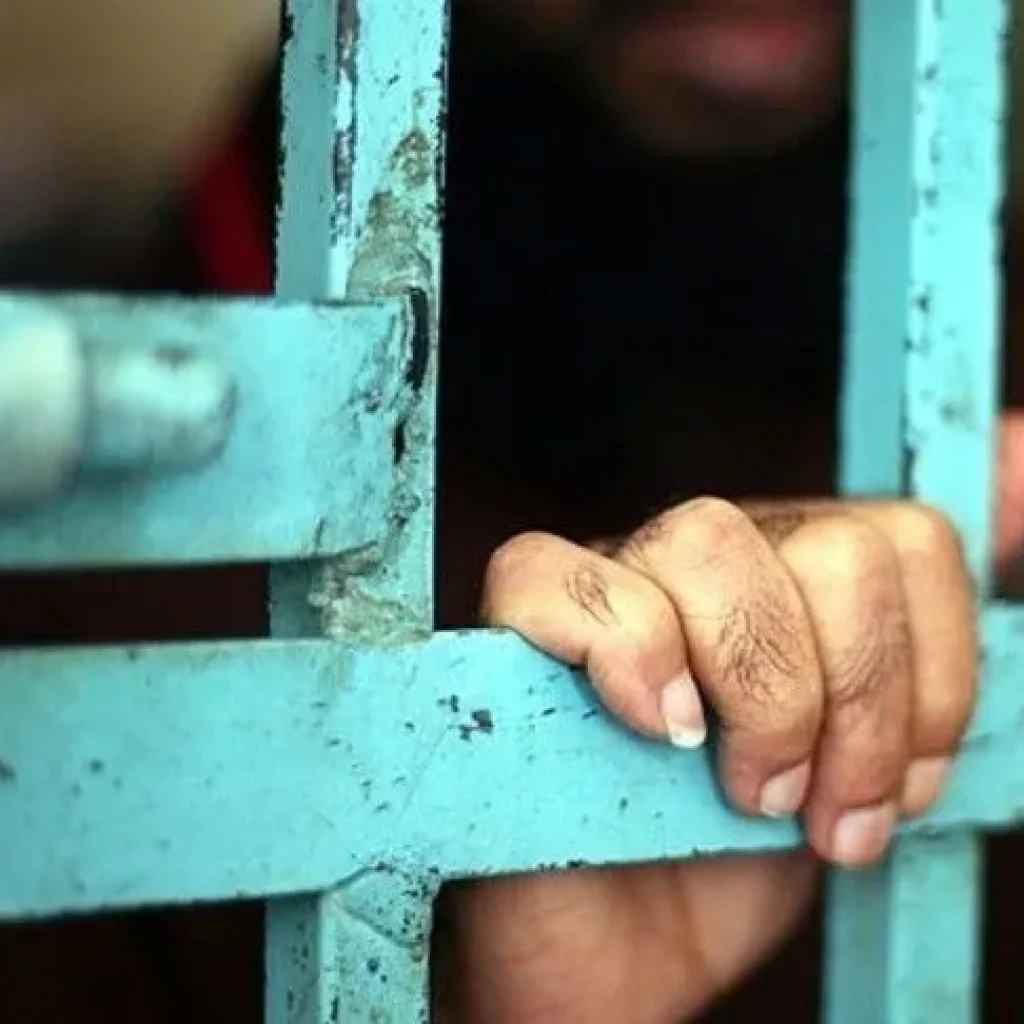
ICC removes chief prosecutor Karim Khan in unprecedented vote
In first dismissal of chief prosecutor in court's history, 82 of ICC's 125 member states voted to remove Khan over sexual misconduct allegations he denies
© International Criminal Court
GENEVA (MNTV) — The International Criminal Court has removed its chief prosecutor, Karim Khan, in an unprecedented vote by member states — a dramatic conclusion to a saga that has consumed the world’s only permanent war crimes tribunal for nearly two years and become inseparable from the most politically explosive case of Khan’s tenure: the arrest warrant he sought for Israeli Prime Minister Benjamin Netanyahu.
The Assembly of States Parties, the court’s 125-member governing body, voted on Friday at UN headquarters in New York to strip Khan of office after concluding he had committed serious misconduct and a serious breach of duty.
Assembly president Päivi Kaukoranta announced that 82 states had backed removal, comfortably exceeding the majority required.
According to diplomats, 13 states opposed the motion and 11 abstained.
It is the first time in the ICC’s more than two decades of existence that a chief prosecutor has been dismissed.
The allegations
The disciplinary process stemmed from allegations by a junior female lawyer in Khan’s office — identified publicly only as Sarah — who accused him of coercive and non-consensual sexual conduct over an extended period, alleged to have taken place at the ICC office, at Khan’s home, and during work trips.
The woman went public in a CNN interview last week. “There is no way for something to be consensual when you have such a power disparity,” she said.
Khan, 56, a British barrister, has denied the allegations from the outset and continues to do so.
He stepped aside in May 2025 while the UN Office of Internal Oversight Services (OIOS) conducted an external investigation, and was temporarily suspended in June 2026 pending Friday’s vote.
The court’s oversight bureau, after reviewing the case, recommended his removal, concluding he had engaged in a sexual relationship with the woman and had tried to prevent her from pursuing her complaint — findings Khan disputes.
Contested process
Khan’s legal team responded with a forceful statement challenging both the substance and the fairness of the decision.
His lead lawyer, Tayab Ali, said the ruling was unsupported by any lawful or properly reasoned finding of misconduct, and pointed out that the year-long OIOS investigation contained, in his account, no finding of misconduct anywhere in its report.
He also noted that a three-judge panel had unanimously determined in March 2026 that the factual findings made by OIOS did not establish misconduct or a breach of duty under the relevant legal framework.
Ali said Khan and his lawyers had not been permitted to make formal submissions to the Assembly before the vote, and framed the consequences as reaching far beyond one man.
“The independence of the International Criminal Court depends upon its elected officials being protected from removal through processes that are political, procedurally unfair or inconsistent with the findings of independent judicial bodies,” he said, underscoring that Khan was removed while many court officials remain under US sanctions.
Khan intends to challenge the decision through all available legal avenues.
The procedural conduct of the vote itself drew scrutiny. According to diplomats familiar with the proceedings, a motion brought by Sierra Leone that would have made removal harder failed early in the session, after which states moved to the removal vote several hours ahead of schedule.
Netanyahu warrant that shadowed everything
Khan’s four years in office will be remembered less for the misconduct case that ended them than for the case that defined them.
In May 2024, Khan announced he was seeking arrest warrants for Netanyahu and then-Defence Minister Yoav Gallant over war crimes and crimes against humanity committed during the genocide in Gaza.
ICC judges issued the warrants against the two Israeli officials in November 2024 — the first time the court had pursued the leadership of a close Western ally.
The move triggered ferocious backlash: the Trump administration imposed sanctions on Khan and later on other ICC officials and judges, and the United States has since pursued what the court has described as a campaign to dismantle the institution.
The timing of the warrant application became a central line of attack. Israel and its supporters have repeatedly claimed Khan rushed the warrants to distract from the misconduct allegations against him — a claim Khan has dismissed as “baloney,” noting he had informed the US and others of his intention to seek warrants in March 2024, before any allegation was raised.
A Middle East Eye investigation concluded that Khan’s decision to apply for the warrants was made roughly six weeks before the allegations surfaced, and that the application was submitted only after an initial internal inquiry into the accusations had been opened and closed.
Khan has also said that Russian and Israeli intelligence had placed him under close surveillance.
Israel celebrates, critics warn
Israeli officials welcomed the outcome and immediately sought to link it to the warrants. Ambassador to the UN Danny Danon claimed Khan had believed that by launching what he called a political witch hunt against Israel, the world would ignore the misconduct allegations — and had been proven wrong.
Foreign Minister Gideon Saar called the removal “long-delayed” and demanded that the court revoke the warrants against Israeli officials, repeating the assertion that they were rushed to deflect from the allegations.
Crucially, Khan’s removal has no immediate effect on those warrants, which remain in force and can only be withdrawn by ICC judges.
Israel’s separate request, filed in November 2025, asking the court to disqualify Khan and cancel the warrants on grounds of bias, has yet to be ruled on.
Legal scholars and court-watchers were more circumspect — and in several cases, alarmed.
Iva Vukusic, a researcher at Utrecht University who has followed the process closely, told the Associated Press that political considerations had been folded into the case, especially given that it marked the first time a prosecutor had pursued warrants against a Western ally.
Mark Kersten, a prominent commentator on international justice, was categorical in separating the two issues, writing that the allegations against Khan had nothing to do with his decision to pursue the Netanyahu and Gallant warrants, and warning against the misinformation spread by certain states and outlets seeking to conflate them.
Others took the opposite view of the outcome’s meaning. Leila Sadat, a professor of international criminal law at Washington University who previously advised the ICC prosecutor, told France 24 that member states had acted swiftly and decisively to remove an embattled and discredited official so the institution could move forward with the important work still on its docket.
What happens now
Khan’s dismissal immediately triggers the process of electing a new prosecutor — one not expected to be chosen before next year.
In the interim, the prosecutor’s office continues to be run by Khan’s deputies. One of them, Mame Mandiaye Niang, had already taken over the case against former Philippine president Rodrigo Duterte in October 2025 after Khan was removed from it over a potential conflict of interest; Niang is himself under US sanctions linked to the Gaza investigation.
The removal leaves the court in a precarious position. It faces an active American pressure campaign, sanctions on its officials, unresolved demands from Israel and the US to abandon the Palestine and Afghanistan investigations, and now the reputational damage of dismissing its own chief prosecutor.
The lengthy disciplinary saga has, as the AP noted, pitted human rights advocates, court staff, and member states against one another at precisely the moment the institution can least afford internal division.
For his defenders, the manner of Khan’s removal — rushed, they argue, and at odds with the findings of the court’s own judicial panel — risks establishing that a prosecutor who pursues the powerful can be levered out through a politicised process.
For his critics, the misconduct findings stand on their own evidentiary record, independent of any case on the docket, and the court demonstrated that no official is above accountability.
What both sides appear to agree on is that the warrants for Netanyahu and Gallant remain — and that the question of who will now carry forward the most contentious investigation in the ICC’s history is, for the moment, unanswered.
Related posts


Read also