US envoys head to Islamabad as Iran rejects direct talks
Tehran refuses engagement with Washington after war escalation, while US and Israel face criticism for deepening regional crisis
© Anadolu Agency
ISLAMABAD, Pakistan (MNTV) — The United States is dispatching negotiators to Pakistan for renewed Iran talks, but Tehran has made clear it will not engage directly with Washington, underscoring the deep mistrust fueled by a conflict started by the US and Israeli military strikes on Iran.
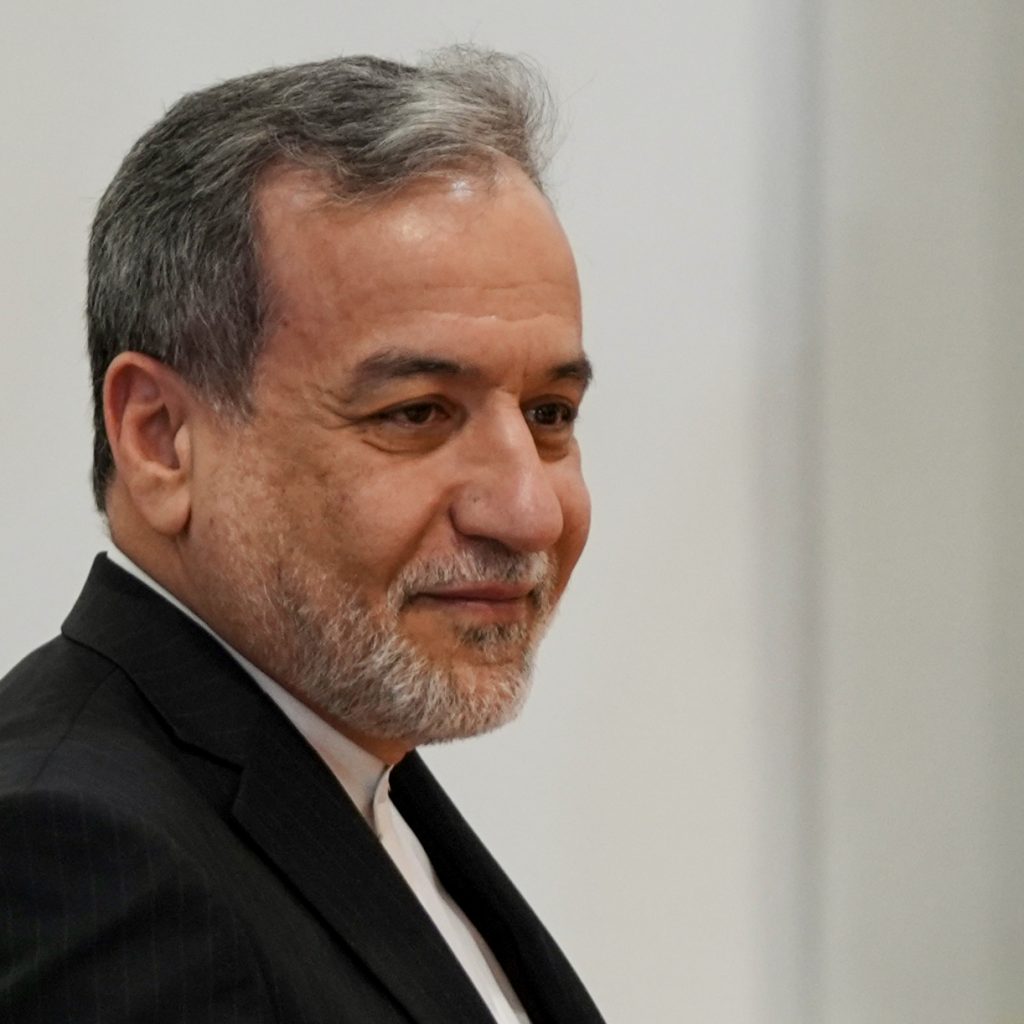
US envoys Steve Witkoff and Jared Kushner are expected to arrive in Islamabad, where Iranian Foreign Minister Abbas Araghchi is already holding consultations with Pakistani officials. However, Iran has said it will communicate its position through Pakistan rather than meet American representatives face-to-face.
The standoff reflects a widening diplomatic gap as the war — triggered by US and Israeli strikes in late February — enters its ninth week, leaving thousands dead and sending shockwaves through global energy markets.
Washington has attempted to project optimism, with President Donald Trump claiming Iran may present a proposal, while senior officials urged Tehran to make concessions, particularly on its nuclear program. Iranian officials, however, view such demands as coercive, coming after what they describe as unlawful aggression and economic warfare.
The conflict has severely disrupted global trade routes, with Iran largely restricting access through the Strait of Hormuz — a critical artery for global oil shipments — in response to a US-imposed blockade on its exports. Shipping traffic has dropped dramatically, with only a handful of vessels crossing daily compared to normal volumes, driving oil prices sharply higher.
Despite a temporary ceasefire extension announced by Washington, the broader situation remains volatile. Iran has reopened parts of its airspace, allowing limited international flights to resume from Tehran, offering a brief sign of normalization after weeks of disruption.
Meanwhile, Iran said it executed an individual accused of working for Israeli intelligence, alleging involvement in acts of violence and sabotage during recent unrest — a development that further highlights the shadow war between Tehran and Tel Aviv.
On the ground, tensions continue to simmer across the region. In Lebanon, a fragile ceasefire between Israel and Hezbollah has been extended, but clashes persist, with reports of casualties and ongoing military exchanges.
Pakistan, which brokered the initial ceasefire earlier this month, continues to act as a mediator, attempting to bring both sides back into a diplomatic framework despite growing pressure and conflicting positions.
Analysts say the current deadlock reflects not just policy differences but a deeper crisis of trust, as Iran resists negotiating under pressure from the same actors it accuses of initiating and prolonging the conflict.


Read also