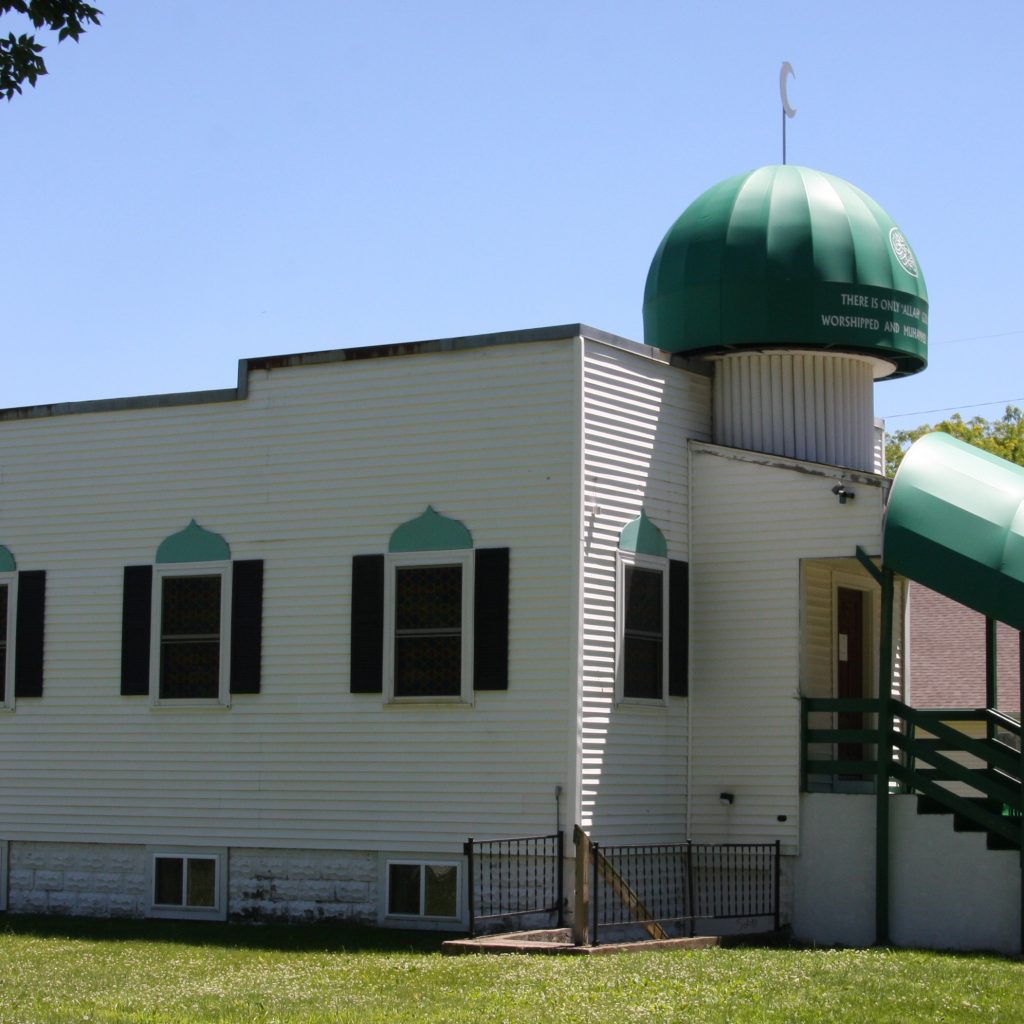
‘Second Jeddah’ immortalised in Malaysia’s first Haj gallery
Malaysia’s first Haj-themed gallery has brought to life the street of Lebuh Acheh, once hailed as the “Second Jeddah”
© File Photo
Penang Haj Gallery preserves rich maritime pilgrimage history of Malaysia
GEORGE TOWN, Malaysia (MNTV) – Malaysia’s first Haj-themed gallery has brought to life the street of Lebuh Acheh — once hailed as the “Second Jeddah” — in the heritage-rich enclave of George Town in Penang state, reports The Vibes.
The Penang Haj Gallery features about 40 exhibits, including such rare items as Chateten ka-Tanah Suci (a Haj travelogue), old coins and postal artefacts, ship photographs, and pieces of the Kiswah, the cloth used to drape the Kaaba.
“This gallery is the only one of its kind in Malaysia,” says Mohamad Abdul Hamid, chairman of Yayasan Islam Pulau Pinang (YIPP), an Islamic foundation. “It has welcomed over 10,000 visitors from around the world since opening this year.”
Lebuh Acheh was a vibrant hub for Haj pilgrims from the Malaysian states of Perlis, Kedah, Perak, and Kelantan; and the Indonesian states of Sumatra and Sulawesi. For generations, it served as a physical and spiritual starting point for those journeying by sea to Mekkah and Madinah.
“Lebuh Acheh became known as the ‘Second Jeddah’ due to the large number of pilgrims who gathered there before setting sail,” says Dr Aiza Maslan Baharudin, a senior lecturer in civilisation studies at Universiti Sains Malaysia.
“This is not just a gallery—it’s a living tribute to the faith, endurance, and shared heritage of generations of Malaysian Muslims,” says Aiza.
The Masjid Melayu Lebuh Acheh, built in 1808, functioned not only as a mosque but also as a Haj briefing centre and temporary accommodation for pilgrims. The area was also lined with endowment houses, madrasahs, and warehouses, built to support pilgrims and their long voyages.
“There was a surge in economic activity during the Haj season,” says Aiza. “It resembled a 24-hour fair.”
In the absence of a formal Haj agency, preparations were managed by licensed agents known as Sheikh Haji, who handled everything from travel documents and ship tickets to accommodation in Jeddah and Makkah. They also organised storage for pilgrims’ belongings using Sahara boxes — sturdy chests designed for the journey.
“These Sheikhs were essentially the logistical coordinators before Tabung Haji (a Malaysian Islamic financial institution established in 1963 to help Muslims save for the Hajj pilgrimage),” Aiza explains. “They even liaised with counterparts in Jeddah.”


Read also