Pakistan condemns Israeli strikes as talks near in Islamabad
Islamabad praises restraint but denounces continued Israeli attacks undermining fragile US-Iran ceasefire ahead of negotiations
© Anadolu Agency
ISLAMABAD, Pakistan (MNTV) — Pakistan has welcomed signs of restraint in the ongoing Middle East conflict while strongly condemning Israel’s continued military assault on Lebanon, as Islamabad prepares to host critical United States–Iran peace talks amid a fragile ceasefire.
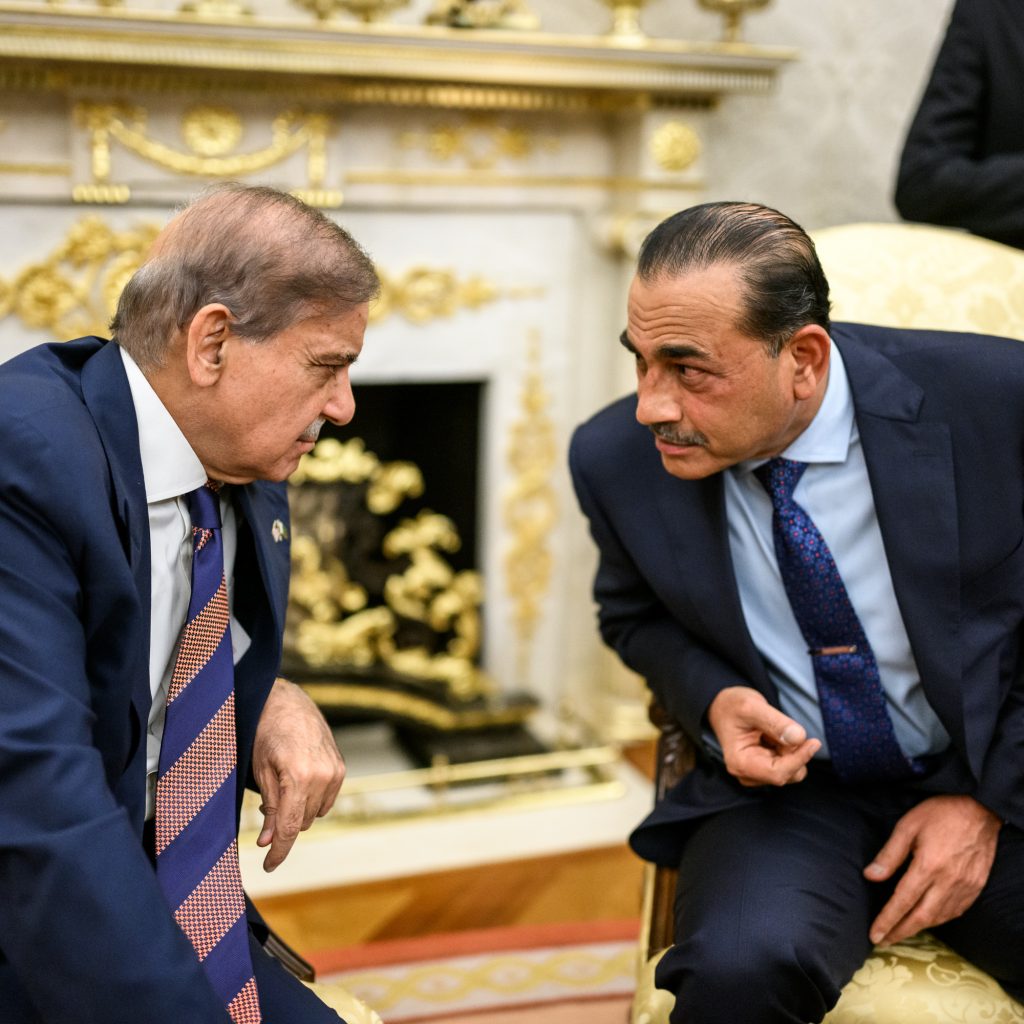
Prime Minister Shehbaz Sharif met with Army Chief Asim Munir, where both leaders expressed satisfaction over what they described as limited de-escalation in the region. However, their remarks came against the backdrop of intensifying Israeli strikes in Lebanon, undermining the already shaky truce.
The ceasefire, agreed under pressure from US President Donald Trump, is intended to pause hostilities for two weeks to allow negotiations between Washington and Tehran.
Yet Israel—backed politically and militarily by the United States—has continued its attacks on Lebanon, raising serious questions about the credibility and scope of the agreement.
Iran has maintained that Lebanon is an integral part of the ceasefire framework and has accused Israel of blatant violations. Deputy Foreign Minister Saeed Khatibzadeh revealed that Tehran was close to retaliating against what it described as ceasefire breaches but held back following diplomatic intervention by Pakistan.
In a separate development, Prime Minister Sharif held a phone call with Lebanese Prime Minister Nawaf Salam, during which he strongly condemned Israel’s continued aggression against Lebanon, reaffirming Pakistan’s position against attacks that target civilian areas and destabilize the region.
Preparations in Islamabad reflect the high stakes of the upcoming negotiations. Authorities have declared public holidays in the capital on Thursday and Friday, a measure typically reserved for major diplomatic events, to ensure security and logistical readiness. Essential services, including law enforcement, healthcare, and utilities, will remain operational.
The White House has confirmed that US Vice President JD Vance will lead the American delegation for talks expected to take place over the weekend. Iran’s participation has also been confirmed, although uncertainty remains over the exact timing of its delegation’s arrival.
Iranian Ambassador to Pakistan Reza Amiri Moghadam briefly announced on social media that an Iranian delegation would arrive in Islamabad for “serious talks” based on Tehran’s 10-point proposal, but the post was later deleted. An embassy official told AFP that the message had been published prematurely, declining to confirm the precise schedule of the visit.
Despite diplomatic efforts, the situation remains volatile. Israel’s continued bombardment of Lebanon—carried out even as ceasefire talks are being organized—has drawn sharp criticism for effectively sabotaging peace efforts. Critics argue that Washington’s failure to restrain its ally exposes the contradictions in its stated commitment to de-escalation.
As Islamabad prepares to host negotiations, Pakistan’s dual message—support for restraint alongside condemnation of Israeli actions—highlights the growing international frustration with ongoing violations that threaten to derail the fragile ceasefire before talks can even begin.
Read also