NYC First Lady Rama Duwaji to join Muslim women’s retreat centered on faith and Palestine
Corsica gathering weaves Islamic spirituality and story of Maryam together with solidarity for Palestinian women enduring occupation
© AA
NEW YORK, United States (MNTV) — New York City First Lady Rama Duwaji will take part in a Muslim women’s spiritual retreat in Corsica that joins faith and identity with solidarity for Palestinians. Organized by The Women Sanctuary, the sold-out gathering centers on Islamic spirituality, women’s experience, and the legacy of Maryam — Mary — a figure revered in both Islam and Christianity.
Duwaji, a 29-year-old artist and the wife of Mayor Zohran Mamdani, is set to join the retreat beginning July 9 at a historic monastery on the island.
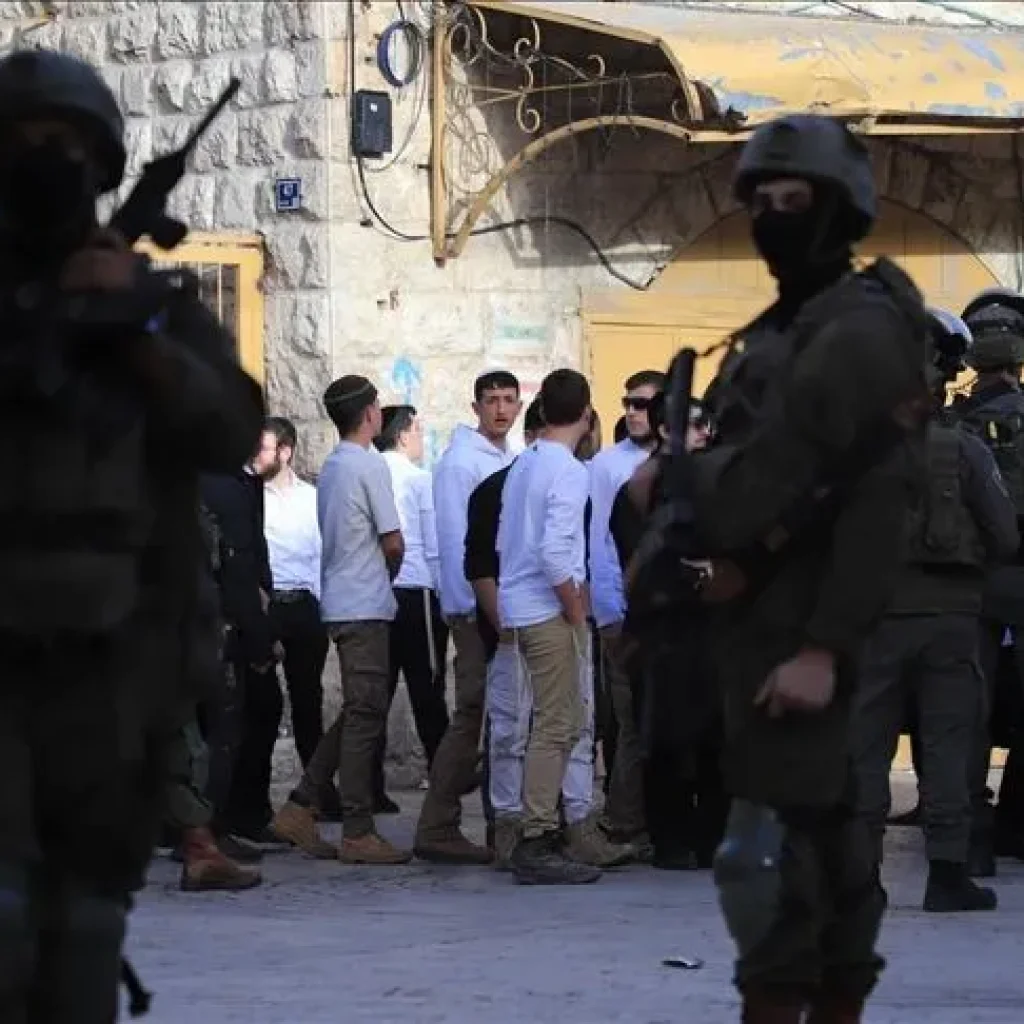
The program is built around prayer, lectures, shared meals, and reflection on women’s spiritual traditions, with particular attention to Palestinian women living under Israeli occupation and enduring the assault on Gaza.
Organizers draw on Maryam’s place in the Quran, where she is the only woman named and is honored as a model of devotion and resilience, and connect her endurance and displacement to the experience of Palestinian women today.
The retreat also carries markers of Palestinian identity: as at earlier Women Sanctuary gatherings, participants have worn the keffiyeh during prayer and communal activities as an expression of solidarity.
The organizers frame the focus on Palestine as part of a wider concern with human suffering, displacement, and the protection of civilians — a spiritual reckoning with a catastrophe that has drawn sustained international outcry and, from a growing number of UN experts and rights organizations, the determination of genocide.
Humanitarian groups working on Palestine have at times faced allegations of links to militant movements; they have rejected those claims and said they operate within the law and humanitarian principles.
Duwaji has drawn criticism before over her public positions and artwork on the region, part of a broader pattern in which public figures who speak to Palestinian suffering are pressed to answer for it.
Her participation reflects a growing current of faith-based gatherings that hold spirituality, cultural identity, and humanitarian concern together — and, for the women taking part, treat solidarity with Palestine as an expression of faith rather than a departure from it.
Read also