Mamdani sues over Trump rule threatening immigrant homes
NYC mayor challenges a federal housing policy that could leave thousands of mixed-status families without assistance, warning that children and vulnerable households must not pay price for their parents' immigration status
© AA
NEW YORK (MNTV) — New York City Mayor Zohran Mamdani has announced that the city is joining a nationwide coalition of local governments and housing agencies in a legal challenge against a new federal rule that could strip thousands of mixed-status families of housing assistance, potentially forcing parents to choose between preserving their family unity and keeping their homes.
The lawsuit challenges a regulation finalized by the U.S. Department of Housing and Urban Development (HUD) on Nov. 12 under the Trump administration.
The measure would end longstanding housing assistance for otherwise eligible residents who live with family members deemed ineligible for federal support because of their immigration status. If implemented, the rule could place tens of thousands of people across the country at risk of losing access to stable housing.
Announcing the city’s participation in the legal challenge, Mamdani condemned the policy as cruel and unlawful, arguing that it threatens the housing security of vulnerable families and disproportionately affects immigrant communities.
“Every New Yorker deserves a safe, affordable place to call home. The federal government’s new mixed-status rule threatens to rip that security away from tens of thousands of people. We will not stand by while families are put at risk. New York City is proud to join our peers across the country in fighting this cruel and unlawful rule,” Mamdani said.
He pledged that his administration would use every available means to protect residents from losing their homes.
New York City Corporation Counsel Steven Banks warned that the regulation could undermine decades of federal housing policy and force families into impossible choices, including separating household members to preserve access to assistance.
He argued that the measure contradicts the longstanding congressional framework designed to accommodate mixed-status households and could place children at risk of homelessness simply because of their parents’ immigration status.
The policy would affect federally supported housing programs, including public housing and Section 8 rental assistance. It would also introduce additional administrative requirements for local housing agencies, potentially increasing costs and creating further uncertainty for households that depend on rental support.
A mixed-status household consists of family members with different immigration statuses. Under existing federal law, U.S. citizens, lawful permanent residents and other eligible residents can receive housing assistance even when they live with relatives who do not qualify for federal support.
Since 1988, federal policy has allowed these families to receive prorated housing subsidies. Under this arrangement, assistance covers only the eligible members of a household, while those who do not qualify are excluded from the subsidized portion of the rent.
The proposed regulatory change threatens to dismantle this arrangement, potentially placing families with U.S.-citizen children and legally eligible residents at risk of losing housing support because of another household member’s immigration status.
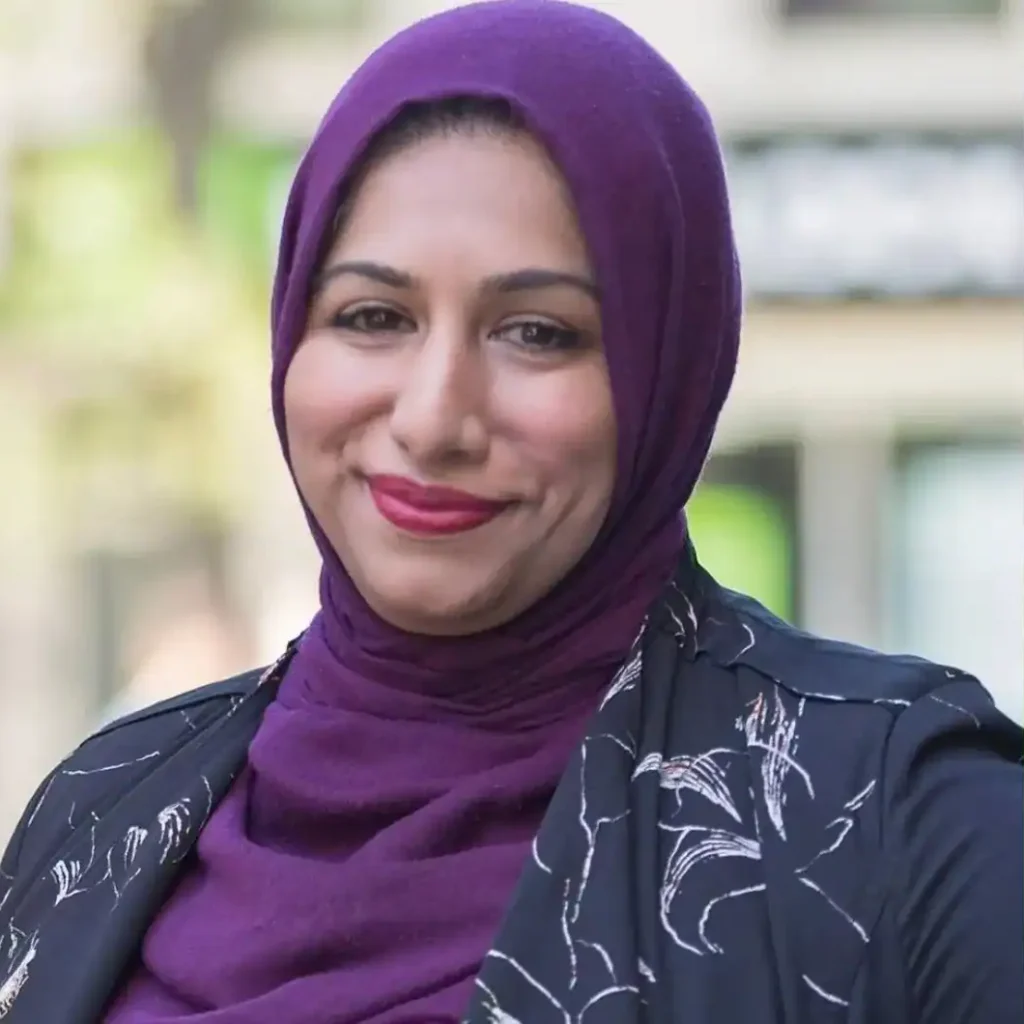
New York City Mayor’s Office of Immigrant Affairs Commissioner Faiza N. Ali said families should not be forced to choose between maintaining family unity and securing a roof over their heads. She warned that the federal measure disregards the needs of immigrant households and threatens the stability of communities that have built their lives together.
The legal challenge has also received strong support from Democratic lawmakers and housing advocates. Senate Democratic Leader Chuck Schumer condemned the regulation, describing it as another attempt by the Trump administration to divide immigrant families and undermine their economic security.
Schumer warned that thousands of New Yorkers, including American-born children, could face eviction or housing insecurity if the measure takes effect. He pledged to support the city’s legal challenge and continue fighting against the policy.
New York City Council officials similarly warned that the rule could accelerate displacement, deepen the housing crisis and place additional pressure on already strained public resources. Deputy Council Leader Chris Banks, who chairs the Committee on Public Housing, emphasized that the consequences could extend well beyond immigration policy, affecting neighborhood stability and the welfare of children and families.
Council members Pierina Sanchez, Elsie Encarnacion, Sandy Nurse, Tiffany Cabán and Alexa Avilés also condemned the measure, arguing that housing assistance should not become a tool for punishing families because of their immigration status or household composition.
Housing and immigrant rights organizations have joined the opposition. The Legal Aid Society warned that the regulation threatens longstanding protections for mixed-status families and pledged to continue challenging the policy in court.
Murad Awawdeh, president and CEO of the New York Immigration Coalition, said the proposed rule could separate families, displace children and push vulnerable households into homelessness. He argued that at a time when residents are already struggling with rising housing costs, food prices and broader economic pressures, the federal government should be expanding housing security rather than creating additional barriers.
The controversy highlights the growing conflict between the Trump administration’s restrictive immigration agenda and local governments seeking to protect immigrant communities from policies that could undermine their housing and economic stability.
For affected families, the consequences could be devastating. Losing federal housing assistance could mean eviction, family separation, financial hardship and the disruption of children’s education and community ties. The proposed measure also raises fundamental questions about whether access to essential public support should depend on the immigration status of every member of a household, regardless of the legal eligibility of other residents.
New York City’s participation in the lawsuit represents a broader effort by local governments to challenge federal measures that they believe threaten family unity, housing stability and the rights of vulnerable residents.
The HUD rule is not yet in effect. Families concerned about its potential impact can seek legal assistance through The Legal Aid Society’s Public Housing Unit at 212-558-6282. New Yorkers can also contact the NYC Tenant Helpline by calling 311 and asking for the Tenant Helpline, or by calling 212-639-9675.
The legal battle ultimately places a fundamental humanitarian principle at the center of the debate: no family should have to risk homelessness or separation simply because its members have different immigration statuses.


Read also