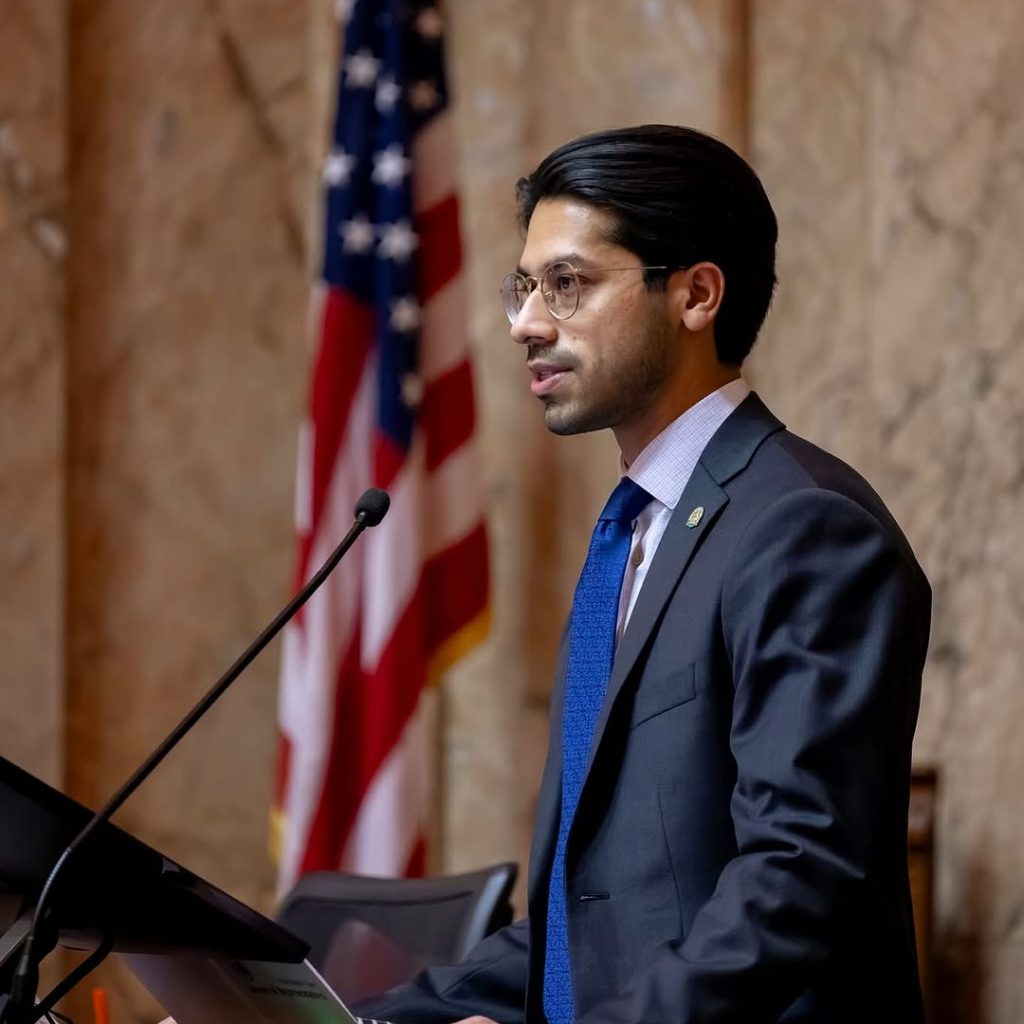
Mamdani intensifies outreach to Black New Yorkers amid policy concerns
NYC mayor seeks to rebuild institutional ties following criticism over racial equity framework and fiscal proposals
© AA
NEW YORK, United States (MNTV) – New York City Mayor Zohran Mamdani is intensifying efforts to repair strained relations with Black New Yorkers, a key political constituency that has expressed concern over elements of his policy agenda and early administrative decisions.
At a recent breakfast meeting with Black clergy and elected officials, Mamdani presented a carefully calibrated outreach message. He highlighted initiatives aimed at addressing long-standing community concerns, including a new office to combat deed theft and the suspension of the city’s tax lien sales. He also praised police officers and drew historical parallels to former Mayor David Dinkins, the city’s first Black mayor, framing his administration as part of a broader continuum of Black political advancement in New York City.
The outreach follows months of criticism from Black civic leaders who argue that Mamdani’s policy rollout has at times overlooked or minimized their communities. The city’s delayed racial equity plan, released in April, drew particular scrutiny after references to diversity, equity, and inclusion were removed from earlier drafts.
Experts argued that the final version lacked explicit commitments to Black and brown communities and failed to meet expectations set by the City Charter.
The Commission on Racial Equity is expected to formally criticize the plan for not fully addressing required structural reforms, including equity-focused budgeting and policymaking frameworks. Commission leadership said community feedback reflected a perception that Black communities were not clearly represented in the administration’s framework.
Tensions have also been shaped by earlier policy controversies, including Mamdani’s proposal that property taxes could rise significantly without state approval of broader fiscal reforms. That proposal was later withdrawn after political backlash, particularly from Black homeowners concerned about affordability and displacement pressures.
Appointments and representation have also been a source of friction. Critics initially pointed to the absence of Black leadership in senior administrative roles, a gap later addressed through the appointment of a Black deputy mayor for community safety.
Despite criticism, Mamdani and his allies argue that his broader affordability agenda, focused on housing, childcare, and transportation, is inherently beneficial to Black New Yorkers, who disproportionately experience economic pressure in the city. Supporters emphasize universal policy frameworks designed to target working-class residents across racial lines.
However, several Black civic leaders and elected officials argue that this class-based framing risks downplaying the specific historical and structural challenges faced by Black communities. Public Advocate Jumaane Williams and others have warned that progressive governance in New York requires explicit engagement with racial inequality rather than broad economic policy alone.
Polling data indicates that Mamdani retains relatively strong favorability among Black voters, but political analysts note that his initial electoral coalition did not rely heavily on traditional Black primary support. This has increased pressure on the administration to build deeper institutional ties with Black political networks and community leadership structures.
At recent community events, allies of the mayor have defended his record on issues such as deed theft prevention, arguing that his administration is addressing long-neglected issues in historically Black neighborhoods. Critics remain skeptical, describing some initiatives as reactive and politically driven rather than the product of sustained engagement.
Religious leaders and local officials have offered a mixed assessment. Some acknowledge visible outreach efforts, while others argue that key policy decisions such as the handling of racial equity language and fiscal proposals have undermined trust.
The administration maintains that its racial equity framework is designed to withstand political pressure while laying the groundwork for long-term structural reform. Officials say implementation will take multiple years and is already reflected in early investments in public housing, childcare, and neighborhood infrastructure.
Among segments of Black civic leadership, concerns persist that Black political influence is weakening within the city’s evolving progressive coalition. New organizing efforts by civil rights groups reflect a broader attempt to reassert Black political and economic power in response to shifting alliances.
As Mamdani attempts to consolidate support, his challenge remains balancing a universalist policy agenda with demands for explicit racial accountability in governance, a tension that continues to define his relationship with Black New Yorkers.
Read also