Maldives bids for UNESCO recognition of historic coral stone mosques
After 13 years of efforts, Maldives completes evaluation of historic Islamic sites, with UNESCO World Heritage decision expected in 2027
© File Photo
MALÉ, Maldives (MNTV) — The Maldives has completed a major stage in its 13-year campaign to secure UNESCO World Heritage recognition for its historic coral stone mosques, bringing the Indian Ocean nation closer to international recognition of its centuries-old Islamic architectural heritage.
Seven historic mosques are reportedly under consideration, with a decision on their possible inclusion in the UNESCO World Heritage List expected in late 2027.
The latest development follows the submission of a nomination dossier in January 2026, which UNESCO formally accepted in September. An international assessment team has since visited the Maldives to inspect the nominated sites, consult local communities and evaluate their historical and cultural significance.
Maldivian authorities say the evaluation phase has now been completed, although the final decision rests with UNESCO’s World Heritage Committee.
The nomination represents the culmination of efforts dating back to 2013, when the Maldives placed its historic coral stone mosques on UNESCO’s Tentative List, identifying them as cultural sites worthy of international protection.
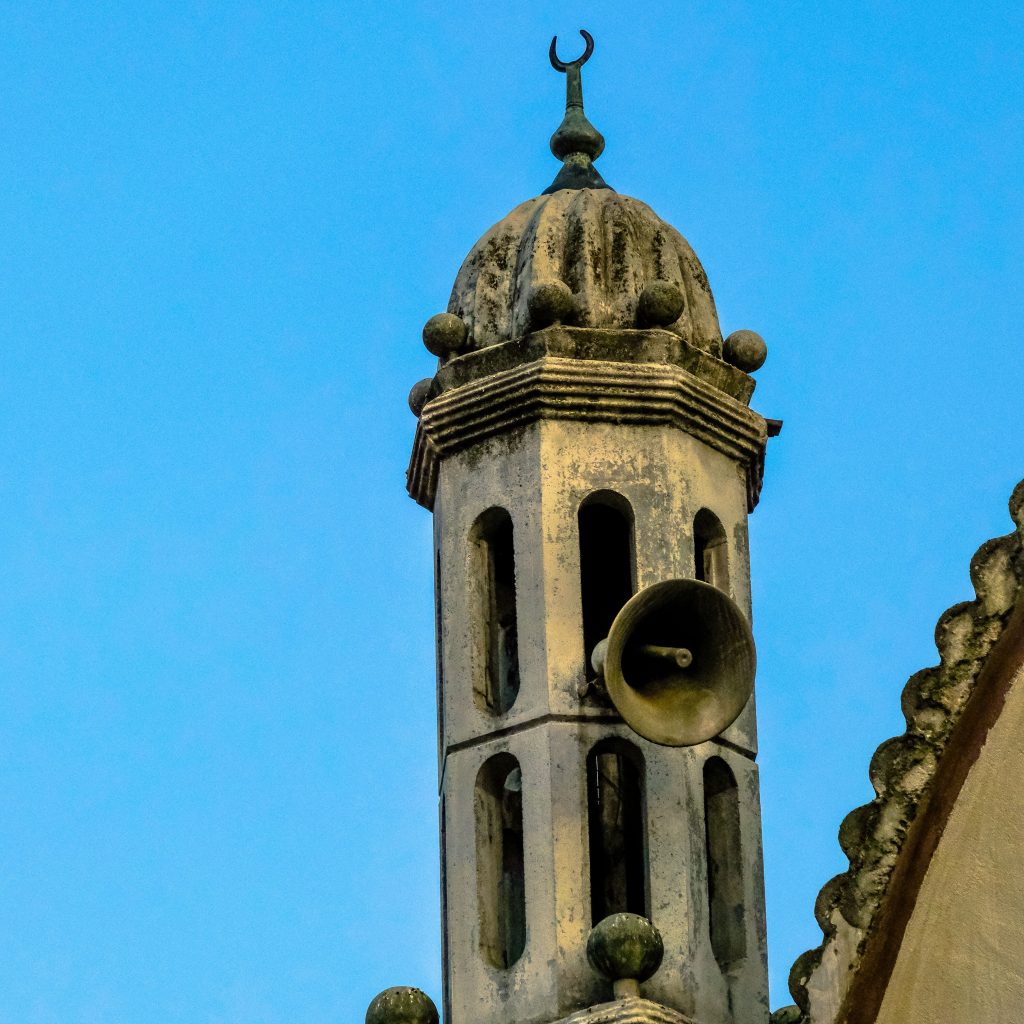
The mosques are distinctive examples of Islamic architecture developed in the Maldives, where builders historically used locally available coral limestone instead of conventional construction materials.
Their architectural features include intricately carved coral stone walls, wooden beams, ornamental ceilings and decorative elements reflecting the country’s Islamic traditions and maritime heritage.
Unlike the monumental stone mosques found elsewhere in the Muslim world, Maldivian coral mosques developed a distinctive architectural identity shaped by the archipelago’s tropical environment, limited natural resources and centuries of interaction with Indian Ocean trading communities.
Islam has played a central role in Maldivian society since the country’s conversion in the 12th century, and these mosques remain important physical records of its religious and cultural history.
Securing UNESCO recognition could strengthen international awareness of this architectural heritage while supporting efforts to preserve historic religious structures for future generations.
World Heritage designation could also create opportunities for cultural tourism in a country whose international tourism industry has traditionally centered on luxury resorts, beaches and marine recreation.
By attracting visitors interested in Islamic history, architecture and cultural heritage, the initiative could help diversify tourism activities and generate additional economic opportunities for communities on islands hosting the mosques.
Such benefits would depend on effective heritage management, conservation investment and tourism development that respects the religious significance of the sites.
The preservation of coral stone architecture also presents challenges because of exposure to tropical weather, saltwater and environmental deterioration.
International recognition could encourage greater technical cooperation and conservation planning, although UNESCO inscription does not automatically guarantee funding.
The Maldives currently has no properties inscribed on the UNESCO World Heritage List. If approved, the coral stone mosques would become the country’s first internationally recognized World Heritage property.
A final decision is expected during the World Heritage Committee’s 2027 evaluation cycle, potentially marking a significant milestone in the preservation of the Maldives’ Islamic architectural heritage.

Read also