Kazakhstan plans curbs on filming people without consent
Kazakhstan’s Ministry of Culture and Information is considering new rules governing photography and video recording of individuals without their consent
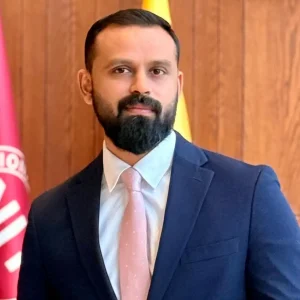
ASTANA, Kazakhstan (MNTV) — Kazakhstan’s Ministry of Culture and Information is considering new rules governing photography and video recording of individuals without their consent, Minister Aida Balaeva said, according to The Times of Central Asia.
Balaeva emphasized that the initiative is not a ban but an effort to clarify how filming should occur in public spaces. She said the ministry has received a growing number of complaints from citizens concerned about being filmed and featured in online content — often in pranks or misleading videos — without permission.
Current law allows individuals to challenge the unauthorized use of their image, but officials are examining whether additional legal safeguards are needed.
Balaeva invited journalists to join a working group to review potential amendments to the country’s Law “On Mass Media.”
She also dismissed speculation that the proposed changes aim to shield public officials, following public backlash to a recent viral video showing deputies appearing inattentive during President Kassym-Jomart Tokayev’s address.
“We are already used to being filmed everywhere. But we are citizens of this country too, and we also have the right to privacy,” Balaeva said, adding that the intention is not to obstruct the press but to address concerns about misuse.
Early drafts suggested that journalists and bloggers may need explicit consent before publishing someone’s image, including online. Renewed consent would be required for republication, editing, or adding commentary. Proposed exceptions include filming at public events, documenting official activities and work deemed to be in the public interest.
Media lawyer Gulmira Birzhanova warned that the proposal could create unnecessary bureaucracy and open the door to abuse. She said it conflicts with existing laws and the Constitution.
Earlier this year, the ministry also proposed tightening penalties for inciting interethnic and interreligious discord, The Times of Central Asia reported.


Read also