Islamic publishers launch global observatory from Istanbul
New body will track publishing trends, translation, rights and digital transformation as publishers from 72 countries adopt Istanbul Declaration
© IUIBP
By Afroz Alam Sahil
ISTANBUL, Türkiye (MNTV) — A new Islamic Publishing Observatory has been launched to collect data, track industry trends and provide publishers with research on an industry spanning dozens of countries, languages and markets.
The initiative was announced as one of the main outcomes of the founding conference and first General Assembly of the International Union of Islamic Book Publishers, or IUIBP, which concluded in Istanbul.
The observatory will collect industry data and publish periodic reports covering translation, publishing rights, distribution, digital transformation, international book fairs and challenges facing publishers in different regions.
The reports are intended to help publishers identify trends, understand markets and make better decisions on publishing, translation and international cooperation.
The initiative seeks to address what publishers described as a major structural weakness in the Islamic publishing sector: the absence of consolidated and reliable data across national markets.
The plan forms part of a broader three-year roadmap adopted by publishers and publishing organizations at the two-day gathering at Istanbul Sabahattin Zaim University.
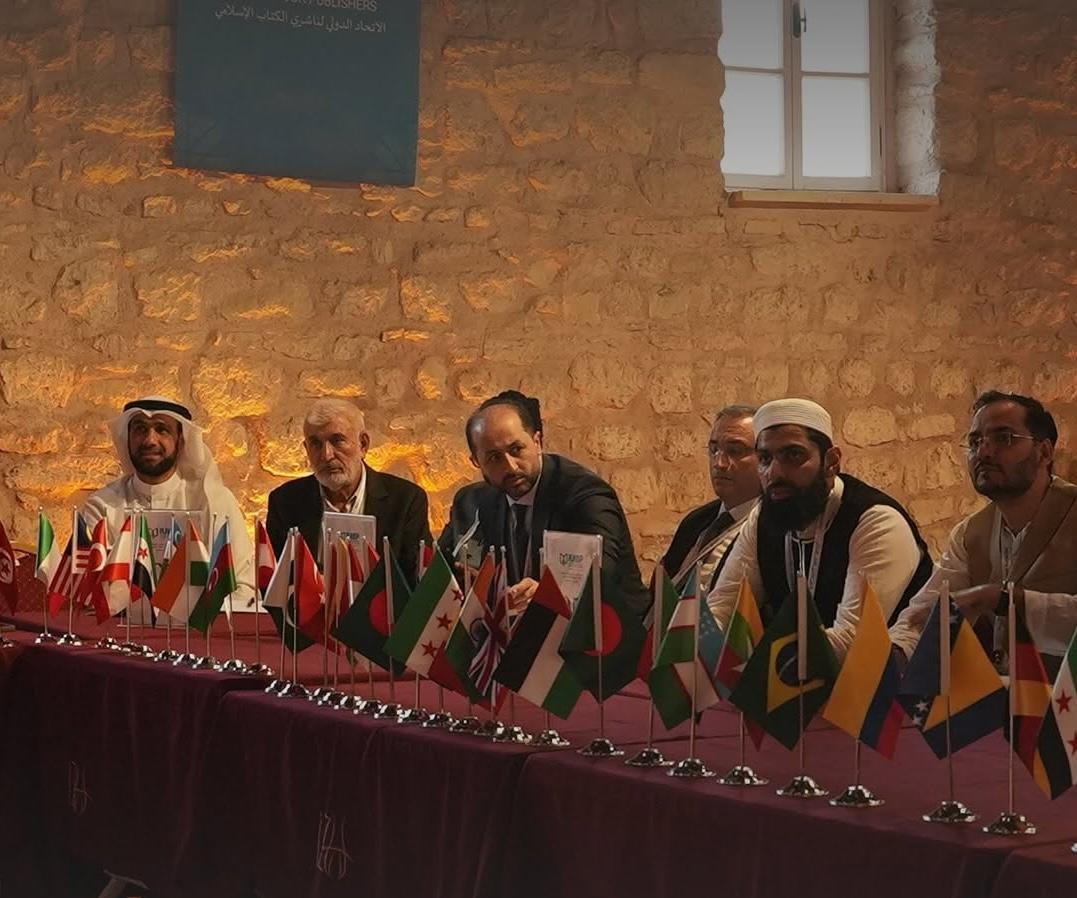
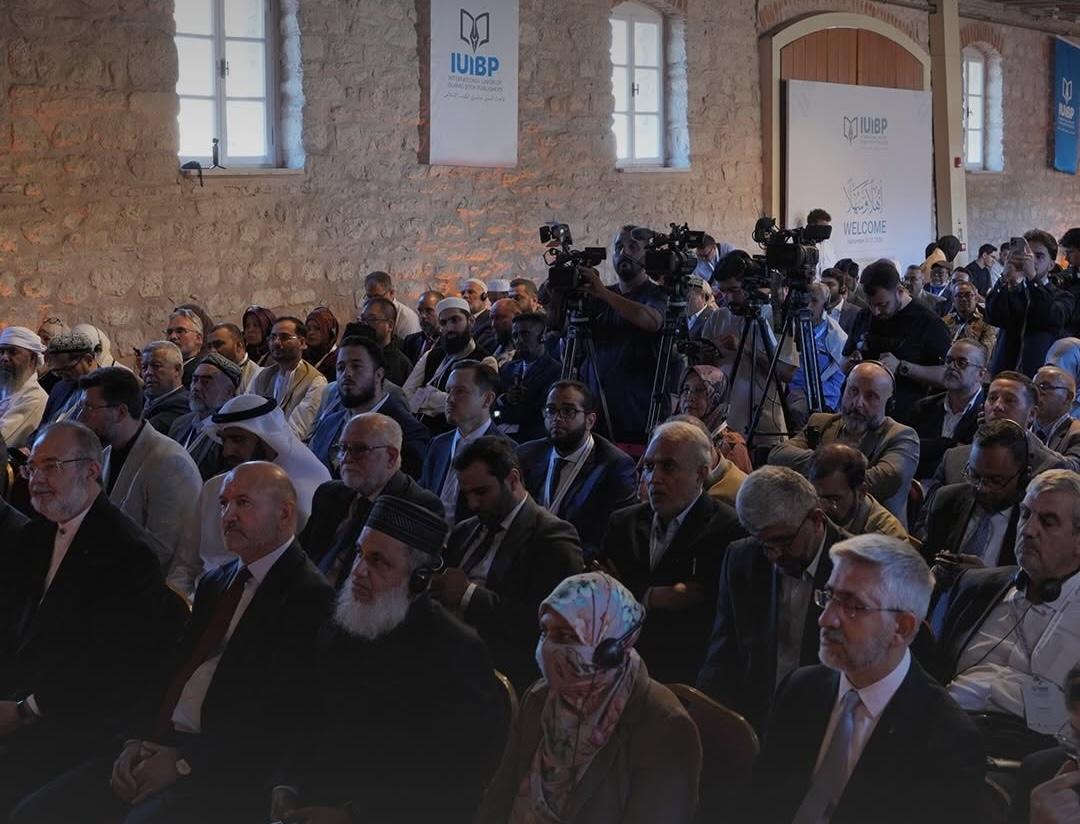
More than 250 representatives attended, including publishers, universities, civil society organizations, book distributors, bookstores, copyright agencies, authors’ organizations and publishing associations. Organizers said institutions and publishers from 72 countries were represented.
Alongside the observatory, the union plans to establish a shared international database of Islamic publishers. It will contain information on publishers, their catalogues, languages, areas of specialization, available publishing rights and markets.
The database is expected to make it easier for a publisher in one country to identify books, translation opportunities and publishing partners elsewhere.
A separate multilingual digital platform will serve as a year-round communications and professional hub. Publishers will be able to find partners, exchange rights, participate in programs and committees, access training and seek professional services.
The idea is to ensure that cooperation does not end when conferences or international book fairs conclude.
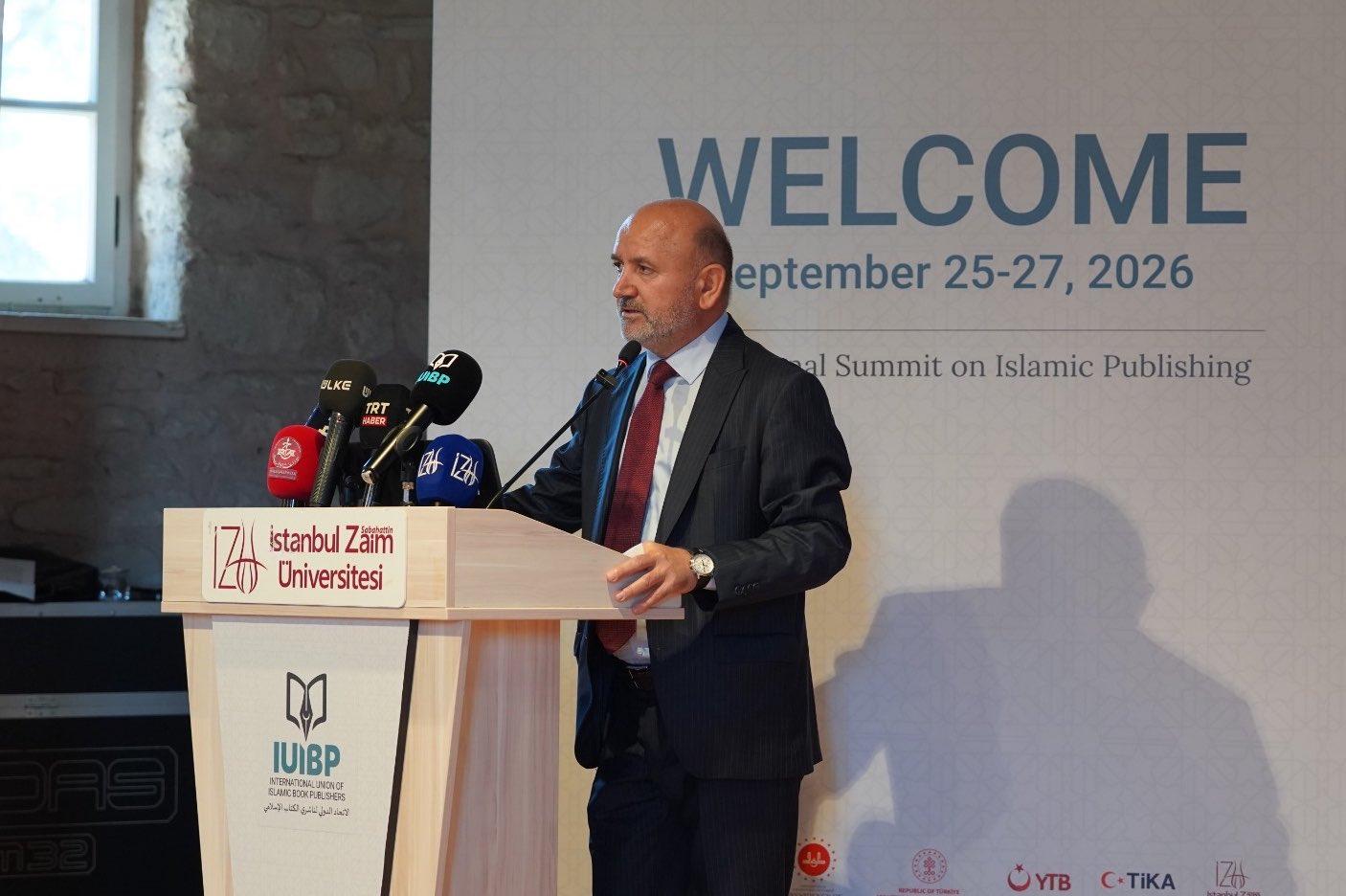
Prof. Mehmet Bulut, president of IUIBP, said the organization aims to recover and share the intellectual resources accumulated through centuries of Islamic civilization.
“In this era of propaganda, we must tell the world that Islam is peace,” Bulut said.
He said publishers should work together to make the intellectual heritage and knowledge produced by Islamic civilization available not only within Muslim societies but “to all humanity in every language.”
“This program is a beginning,” he said. “Our task is simply to do the work. We will make every effort to achieve the results we hope for.”

Istanbul Declaration sets roadmap
The conference concluded with the adoption of the Istanbul Declaration for Cooperation Among Islamic Book Publishers on Sept. 26.
The declaration seeks to create a professional international network connecting publishers across languages, countries and markets.
It describes books as a bridge for dialogue and mutual understanding and says Islamic publishing should make reliable knowledge more widely available while presenting a balanced and constructive understanding of Islam and its universal human values.
The declaration also defines IUIBP as an international professional organization without political or profit-making objectives. It says the union will work through professional cooperation and institutional independence while respecting national laws and international legal frameworks.
The organization itself emerged from discussions that began in Istanbul five years ago.
Publishers from 30 countries met in 2021 and concluded that Islamic publishing needed a permanent international mechanism for cooperation. Five years of consultations, legal preparations and meetings at international book fairs followed.
IUIBP was formally established on Jan. 28, 2026, after receiving official approval from Turkish President Recep Tayyip Erdoğan. It is headquartered in Istanbul.
Bulut said the union now has 247 publishers from 72 countries as members.
Its board includes publishing figures from Türkiye, Jordan, Indonesia, India, Britain, Pakistan, Uzbekistan, Nigeria, Germany, France, Australia, Algeria, Saudi Arabia, Malaysia and North Macedonia.
Translation across borders
Translation emerged as one of the central priorities at the Istanbul conference.
The declaration describes translation as an essential bridge between peoples and cultures. It calls for a two-way movement of knowledge.
Islamic scholarship should be translated into languages that can reach wider international audiences, while valuable knowledge and human experience produced elsewhere should also be made available in languages spoken across Muslim societies.
The union plans joint translation projects, exchanges of publishing rights and co-publishing initiatives.
Publishers will also be encouraged to train translators and editors, maintain accurate terminology and remain sensitive to cultural contexts.
Language remains a major barrier preventing a book published in one Muslim country from reaching readers in another. IUIBP therefore wants to develop a professional rights market where publishers can discover titles, obtain translation rights and find partners for joint publication.
International distribution is another priority.
The declaration calls for Islamic publishers to increase their presence at international book fairs and publishing markets and improve access to their books through libraries, universities, educational institutions and cultural organizations.

Publishers will be encouraged to produce multilingual catalogues and improve editorial, design, production and marketing standards.
Joint pavilions are planned at international book fairs, allowing publishers from different countries to exhibit together rather than operate in isolation.
The union also wants meetings between publishers and distributors to tackle practical problems involving shipping, warehousing, marketing, distribution and access to libraries and educational institutions.
The declaration calls for “cooperation rather than unconstructive competition” and “dialogue rather than isolation.”
Copyright, technology and AI
Copyright piracy was identified as another major challenge.
Publishers said unauthorized reproduction threatens the livelihoods of authors, translators, illustrators and publishing houses.
The declaration calls for coordinated action against copyright violations across print, digital and audio publishing. Members will be encouraged to exchange information about infringements and develop mechanisms for legal and professional action.
Publishers themselves are also expected to respect authors’ rights and contractual commitments.
At the same time, the declaration supports freedom of publishing as an essential part of advancing knowledge and developing societies, while linking that freedom to professional and ethical responsibilities.
It says linguistic, cultural and theological differences should be treated as sources of enrichment rather than reasons for exclusion or division.
Digital transformation and artificial intelligence also featured prominently in the discussions.
The declaration recognizes that publishing is no longer confined to printed books. It identifies e-books, audiobooks, databases, educational platforms, interactive content and accessible publishing for people with disabilities as increasingly important areas.
Artificial intelligence could be used in editing, indexing, metadata, assisted translation, marketing and data analysis.
But the declaration says its use must respect intellectual property, transparency, authors’ rights and the integrity and quality of published knowledge.
Three-year action plan
Participants in Istanbul were divided into 12 roundtable groups and asked to prepare a three-year action plan.
Their subjects ranged from copyright, translation and digital publishing to children’s books, international book fairs, distribution, advertising, research, legal issues, quality standards and international relations.
These areas correspond with the union’s 12 standing committees, which will be responsible for turning conference proposals into programs.
Particular attention will be given to smaller publishing houses and publishers from emerging markets.
The declaration calls for training, mentoring and capacity-building for young publishers and small and medium-sized publishing houses.
Support will include international rights, distribution, marketing, digital publishing and participation in international book fairs.
Children’s publishing has also been given its own institutional space through an Islamic Children’s Publishing Committee, which will work on common standards and joint projects for children and young readers.
Türkiye’s Deputy Minister of Culture and Tourism Dr. Coşkun Yılmaz said publishers had historically played a central role in circulating ideas and knowledge across Muslim societies.
“If we speak of true unity, its fundamental pillars will be knowledge, understanding, wisdom, and information, and publishers will be the ones to disseminate them,” he said.
Prof. Dr. İsmail Küçük, rector of Istanbul Sabahattin Zaim University, said publishers should move beyond discussing problems confronting Muslim societies and produce literature capable of addressing them.
The conference also drew a new generation of publishers.
Qurratul Ain Sundus, 25, the youngest participant, traveled from Malaysia and represented India’s Good Tree Press, an English-language publisher focusing particularly on children’s literature.
“I had high expectations for this conference, and I must say it has exceeded them,” she said. “We engaged in very useful and productive discussions.”
Sundus said she was particularly hopeful about the proposed international publishers’ database.
“I am particularly optimistic about the database, as it is essential for us to support and collaborate with one another,” she said.
The Istanbul Declaration now leaves the union with the more difficult task of turning its proposals into functioning institutions.
For a publishing industry fragmented across countries, languages and markets, the Islamic Publishing Observatory, international database and digital platform could become important tests of whether the network created in Istanbul can produce sustained cooperation beyond conferences and book fairs.
The emphasis on the observatory and database comes directly from the declaration’s concrete proposals: the observatory is intended to issue periodic industry reports, while the database would map publishers, catalogues, rights, languages and cooperation opportunities.
Afroz Alam Sahil is an Indian journalist based in Istanbul.


Read also