Iran sets conditions for Hormuz reopening as talks continue
Tehran links reopening of strategic waterway to an end to US pressure while President Pezeshkian signals readiness for agreement
© Anadolu Agency
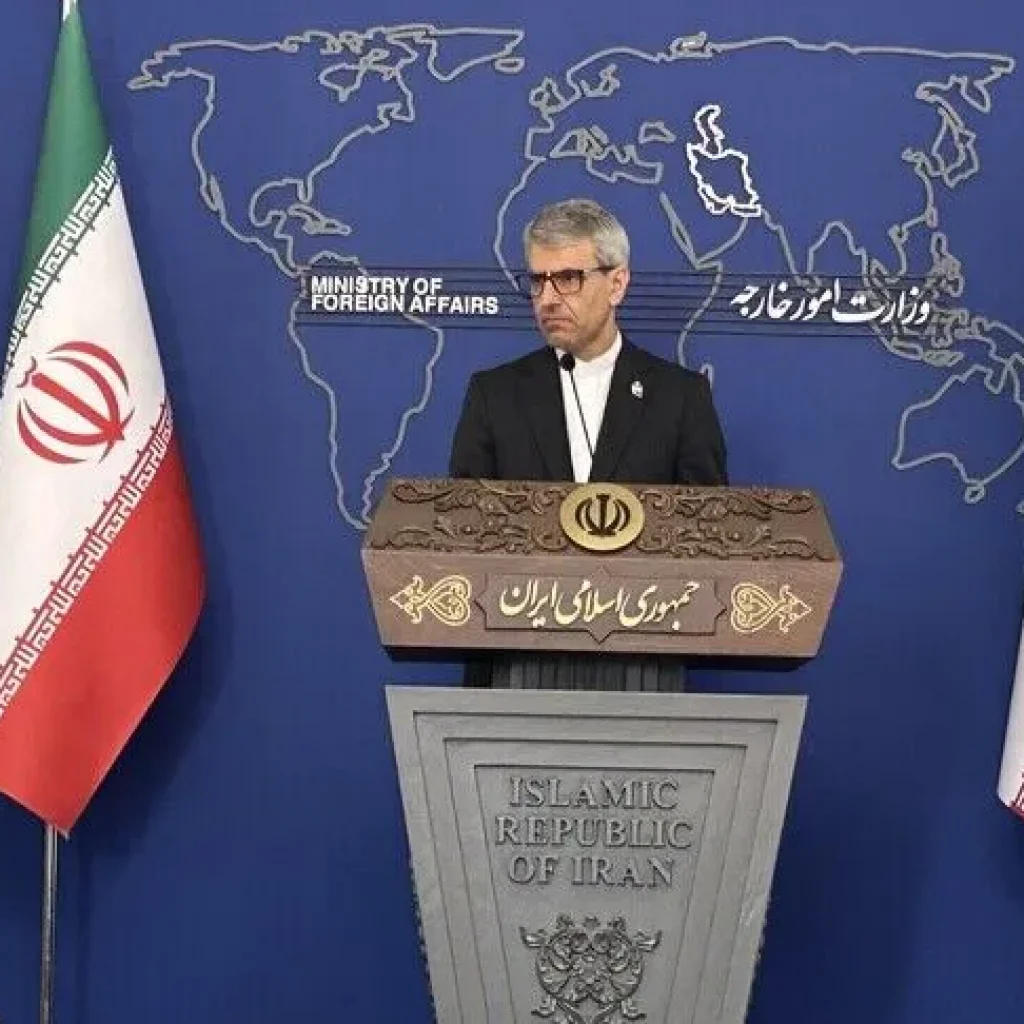
TEHRAN, Iran (MNTV) — Iran has set out broader conditions for fully reopening the Strait of Hormuz, demanding an end to US military pressure and sanctions while President Masoud Pezeshkian said Tehran sees an opportunity for a negotiated settlement.
Mohammad Bagher Zolghadr, secretary of Iran’s Supreme National Security Council, said the strategic waterway would remain closed until Washington changes what Tehran considers hostile policies toward Iran.
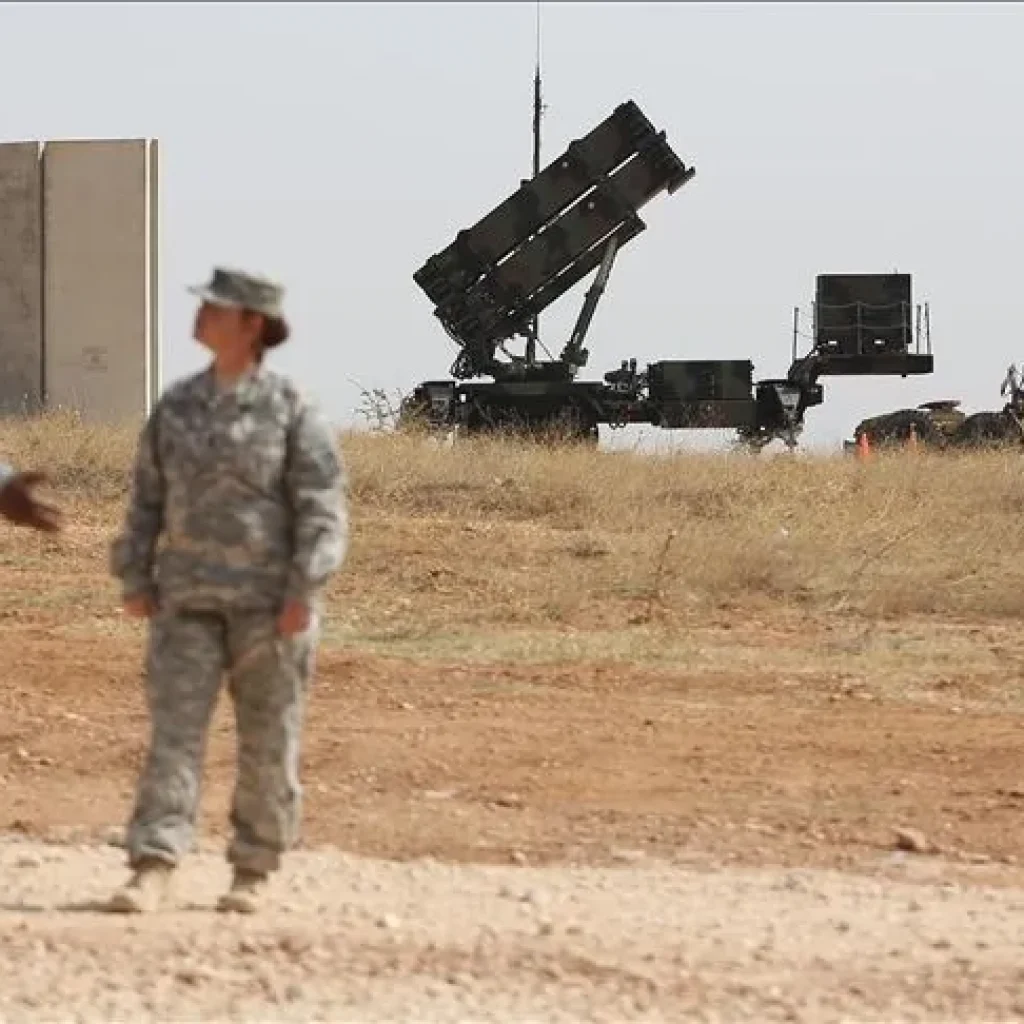
His conditions include an end to US threats against Iran, a permanent halt to attacks on Iran and its allies in Lebanon, Palestine, Yemen and Iraq, and the withdrawal of US naval and air forces from the region.
Tehran is also seeking compensation for damage caused by what Zolghadr described as two imposed wars, the lifting of US sanctions and the unconditional release of Iranian assets frozen abroad.
Iran’s Islamic Revolutionary Guard Corps said reopening the waterway would follow once Washington accepts the conditions and stressed that the issue is separate from the ongoing Iran-Oman negotiations.
The demands expand on issues addressed in an earlier June memorandum between Iran and the United States, presenting them as prerequisites for the full reopening of the waterway rather than elements of a phased process.
Washington, meanwhile, has linked the lifting of its blockade of Iranian ports to the restoration of unrestricted commercial shipping through Hormuz.
Despite the differences, Pezeshkian has adopted a more conciliatory tone, saying that he believes the current moment is the best opportunity for reaching an agreement.
He said Iran has maintained national cohesion and strength and that Tehran should seek a mechanism to resolve disputes rather than allow disagreements over previous commitments to return to military confrontation.
Pezeshkian said the ongoing discussions through Oman could provide a path out of the current state of “neither war nor peace.”
His comments indicate that Tehran remains open to diplomacy while insisting that any settlement address what it regards as the underlying causes of the confrontation.
The Strait of Hormuz remains a critical route for global energy shipments, and continued restrictions have complicated commercial shipping and added pressure to already strained regional markets.
Iranian officials have maintained that any reopening must be part of a broader political settlement rather than an isolated maritime arrangement.
Read also