Iran says Strait of Hormuz remains under its control after fresh US strikes
US attacks on Iranian coastal sites trigger retaliatory strikes on American military facilities in Kuwait and Bahrain, raising fears of wider regional escalation
© Anadolu Agency
TEHRAN, Iran (MNTV) – Iran has said it retains full oversight of the Strait of Hormuz despite renewed military confrontation with the United States, following a series of US strikes on Iranian military targets and Tehran’s retaliatory attacks on American military facilities in Kuwait and Bahrain.
Iranian Foreign Minister Abbas Araghchi said the strategic waterway remains under Iran’s management and that authorities are working to fully restore normal shipping operations.
“The Strait of Hormuz remains under the total oversight and management of Iran,” Araghchi said during a visit to Iraq, adding that Iran expects the waterway’s full operational capacity to return after remaining obstacles are removed. He also warned that unilateral actions by outside parties would complicate efforts to reopen the route.
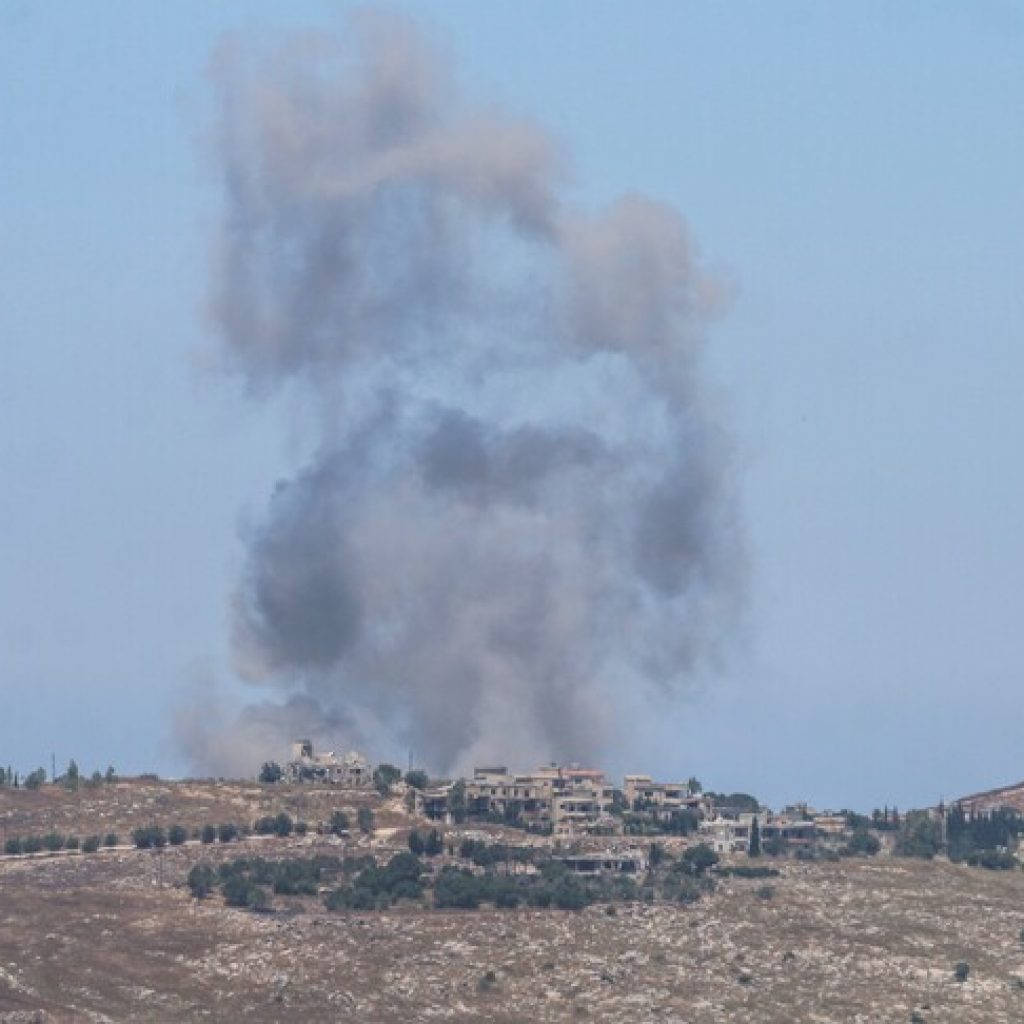
The latest escalation began after the US military carried out strikes against multiple Iranian military targets near the Strait of Hormuz, including coastal surveillance, radar, communications and drone-related facilities. Washington said the operation was conducted in response to attacks on commercial shipping in the area.
Iran subsequently launched ballistic missiles and drones targeting US military installations in Kuwait and Bahrain. The Islamic Revolutionary Guard Corps said the strikes targeted Ali Al Salem Air Base in Kuwait and the headquarters of the US Fifth Fleet in Bahrain.
Bahrain and Kuwait condemned the attacks, describing them as violations of their sovereignty, while calling for efforts to reduce tensions and restore regional stability.
The renewed exchange of fire has placed additional strain on the memorandum of understanding signed earlier this month between Tehran and Washington to halt hostilities and facilitate negotiations toward a longer-term settlement.
The agreement includes provisions requiring Iran to facilitate the safe passage of commercial shipping through the Strait of Hormuz, one of the world’s most important maritime energy corridors through which roughly one-fifth of global oil supplies transit.
US President Donald Trump accused Iran of violating the ceasefire arrangement and warned of further military action if hostilities continue. Iranian officials rejected the accusations, condemned the US strikes as violations of the agreement and international law, and said Tehran would defend its sovereignty against any military aggression.
Security analysts have warned that continued exchanges between the two sides risk drawing additional regional actors into the conflict, particularly if future attacks result in significant civilian casualties or major damage to military facilities.
Related posts

Read also