44 minutes ago
Iran says Hormuz agreement with Oman could be signed soon
Iranian lawmaker says negotiations with Oman are nearing completion as Tehran rejects US involvement in managing strategic waterway
© Anadolu Agency
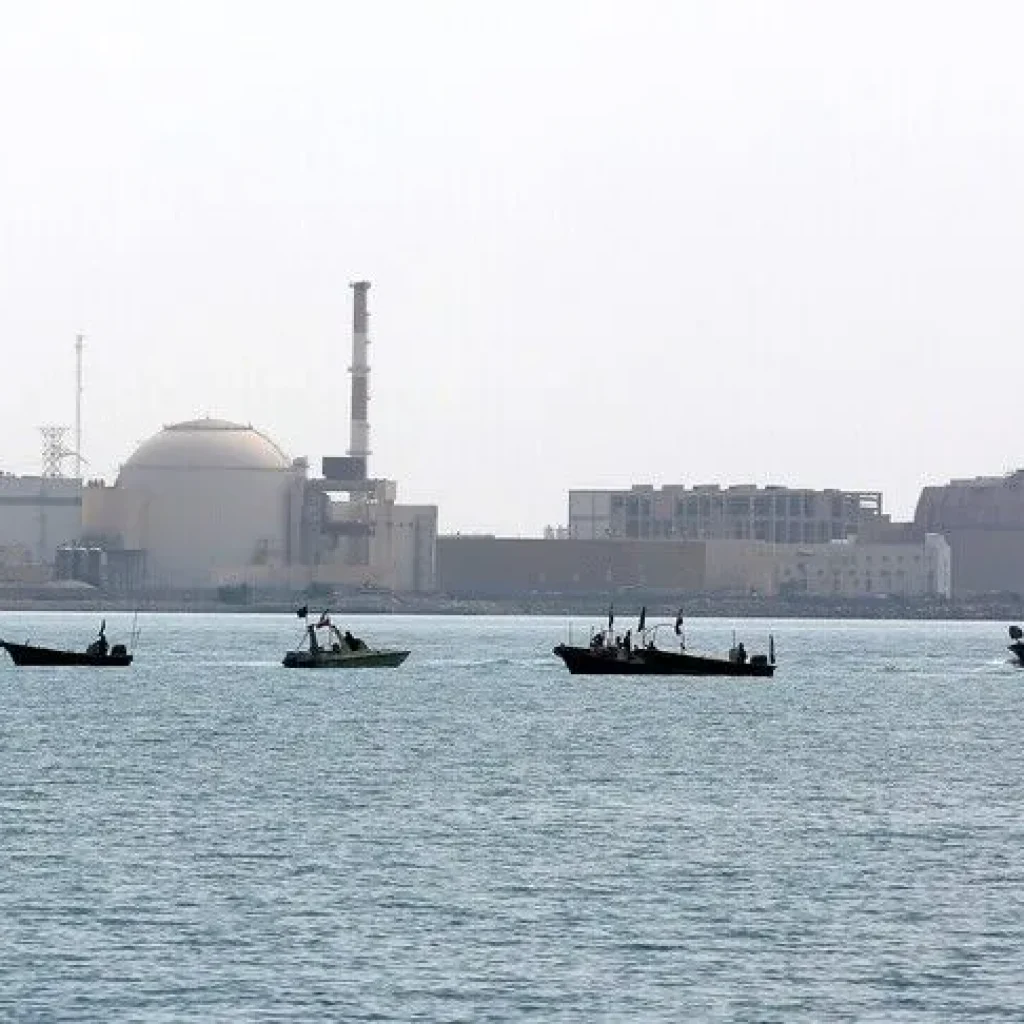
TEHRAN, Iran (MNTV) — Iran and Oman have made significant progress toward an agreement governing the use, management and control of the Strait of Hormuz, with an Iranian parliamentary official saying the deal could be finalized and signed at any time.
The negotiations are being conducted exclusively between Tehran and Muscat, with Iran rejecting attempts by the United States to join the discussions.
Fedahossein Maleki, a member of Iran’s Parliament’s National Security and Foreign Policy Committee, said the talks have entered their final stage and focus on establishing arrangements for maritime traffic through the strategic strait.
He said Oman had also temporarily agreed to refrain from using a southern route and that both sides were working around a route proposed by Tehran.
Maleki said Washington had sought to participate in the negotiations as a third party, particularly concerning the southern maritime corridor that falls within Omani territorial waters.
Tehran, however, refused to allow the United States to become part of the bilateral discussions, according to the Iranian lawmaker.
The Iranian official said the proposed agreement would strengthen Iran’s role in determining how shipping passes through the Strait of Hormuz and prevent outside powers from influencing its management.
He said the details of the negotiations could not yet be disclosed but stressed that discussions with Oman were continuing and making progress.
Maleki also dismissed US President Donald Trump’s statements concerning the reopening of the strait, saying Iran would not shape its policies around statements issued from Washington.
He argued that the emerging Iran-Oman arrangement demonstrated the importance of regional countries taking responsibility for strategic waterways rather than allowing external powers to dictate their management.
The Strait of Hormuz is one of the world’s most strategically important maritime passages, connecting the Persian Gulf with the Gulf of Oman and the wider Arabian Sea.
Any agreement affecting its operation carries significant implications for regional security, energy markets and international shipping.
Maleki described a possible agreement with Oman as a major strategic achievement for Tehran, particularly because it would exclude the United States from a direct role in determining arrangements for the waterway.
He said maritime traffic would ultimately operate under rules established in accordance with Iran’s interests and applicable arrangements between the two countries.

Read also