Iran rejects Trump’s claim of 11-hour US talks in Oman
Tehran denies negotiations took place, accuses Washington of undermining diplomacy through military aggression and violating previous understandings
© Anadolu Agency
TEHRAN, Iran (MNTV) — Iran has categorically rejected U.S. President Donald Trump’s claim that Iranian and American officials held 11 hours of negotiations in Oman, accusing Washington of spreading false claims while continuing military aggression against the Islamic Republic.
Deputy Foreign Minister for Legal and International Affairs Kazem Gharibabadi said Foreign Minister Abbas Araghchi’s recent visit to Oman involved meetings only with Omani officials and did not include any negotiations with the United States.
“The claim that 11 hours of negotiations were held with the United States is not true and is strongly rejected,” Gharibabadi said.
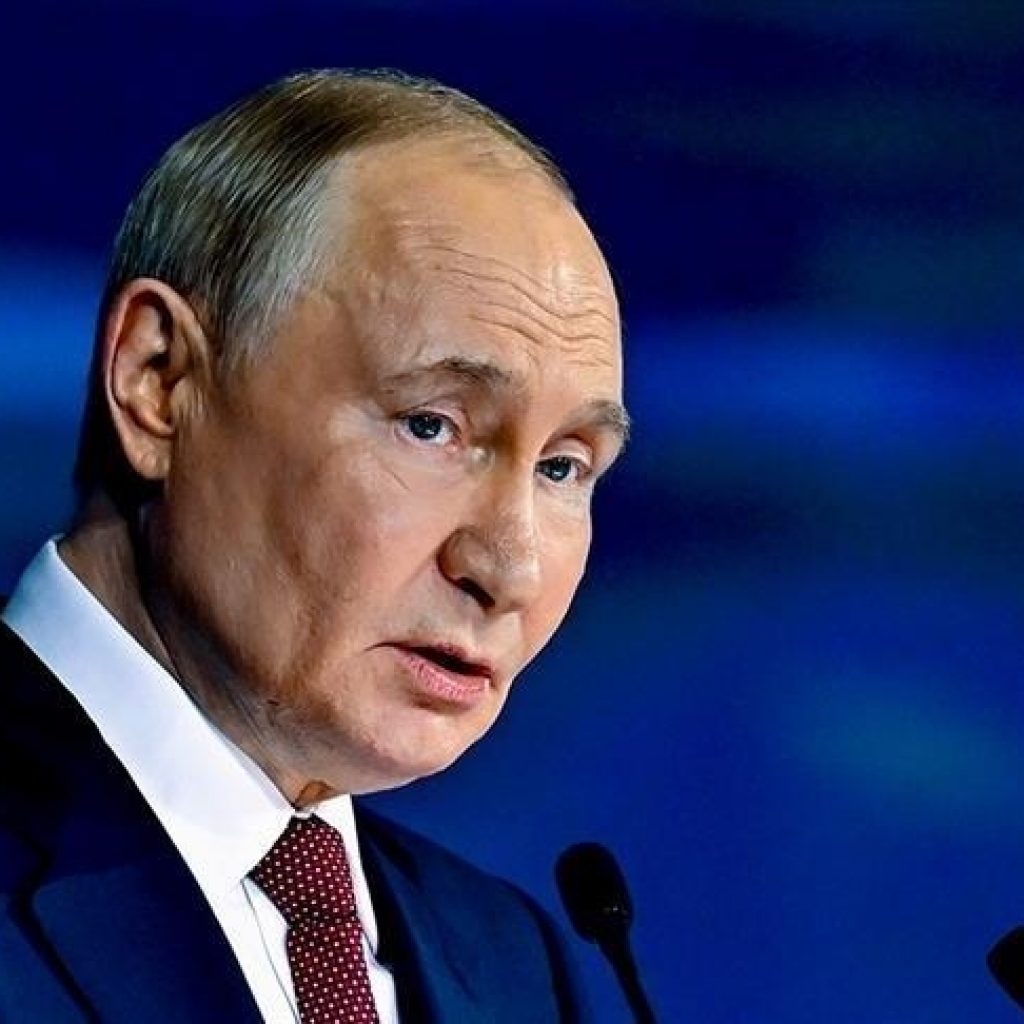
Trump had claimed in an interview with Fox News that U.S. negotiators believed they had reached a long-term peace agreement with Iran following extensive talks on July 12 before Tehran allegedly introduced new demands.
Speaking on Iranian television, Gharibabadi dismissed the assertion and said Iran’s discussions in Oman focused on regional maritime security and preventing tensions in the Strait of Hormuz rather than engaging with U.S. representatives.
He said Tehran proposed an alternative shipping route after requesting the temporary suspension of the southern maritime corridor, stressing that the proposal was intended to reduce the risk of military escalation while safeguarding Iran’s national security.
Gharibabadi said Iran demonstrated “maximum goodwill” during the consultations but maintained that use of the southern route remained unacceptable under the prevailing security conditions.
Condemning recent U.S. military strikes, he described Washington’s actions as “brutal and criminal,” arguing that the attacks had shattered the foundations of diplomacy and destroyed the basis of previous understandings between the two countries.
He accused the United States of violating its commitments by resuming military operations, saying Washington had effectively nullified the Islamabad Memorandum of Understanding, which had been based on ending hostilities and preventing further escalation.
“Iran has not left the negotiating table; it was the United States that undermined the Islamabad memorandum through its actions,” Gharibabadi said.
He also rejected suggestions that military pressure would force Tehran back into negotiations, calling such expectations a serious miscalculation.
According to Gharibabadi, Iran’s diplomatic and military institutions remain fully coordinated during the conflict, with foreign policy decisions being made in close consultation with the country’s armed forces.
He added that diplomacy could help end the conflict, but only if security realities on the ground are taken into account and military aggression ceases.
Related posts



Read also