India detains 30 Kashmiris after emblem plaque at Muslim shrine sparks protest
Police crackdown follows unrest over installation of Lion Capital emblem inside Hazratbal shrine in Srinagar
© Anadolu Agency
SRINAGAR, Kashmir (MNTV) — More than 30 people have been detained in Indian-administered Kashmir after protests broke out at the Hazratbal shrine in Srinagar, where authorities installed a plaque bearing India’s national emblem inside the valley’s most revered Muslim site.
The plaque — inaugurated by the Jammu and Kashmir Waqf Board, chaired by Bharatiya Janata Party (BJP) leader Darakshan Andrabi — was fixed on a wall of the shrine during renovations, according to local media.
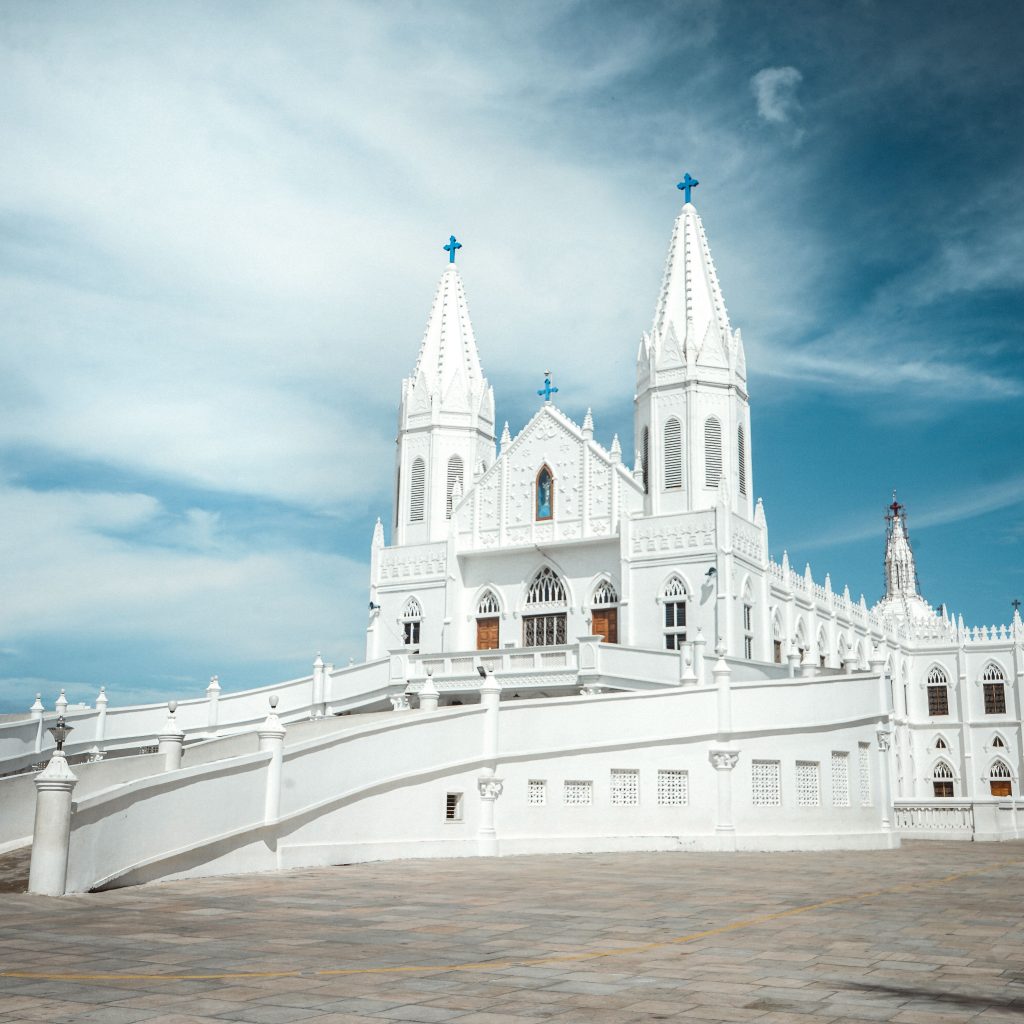
Hazratbal, located on the banks of Dal Lake, houses a relic believed to be a strand of Prophet Muhammad’s hair and is regarded as the holiest site for Kashmiri Muslims.
Worshippers emphasized that their objection was not to the national emblem itself — the Lion Capital of Ashoka, which appears on India’s currency and official seals — but to its placement inside a mosque, which they said violated Islamic tradition forbidding images of living beings in places of worship.
For many Kashmiris, the move symbolized an assertion of Hindu nationalist power in a Muslim-majority region that was stripped of its autonomy in 2019.
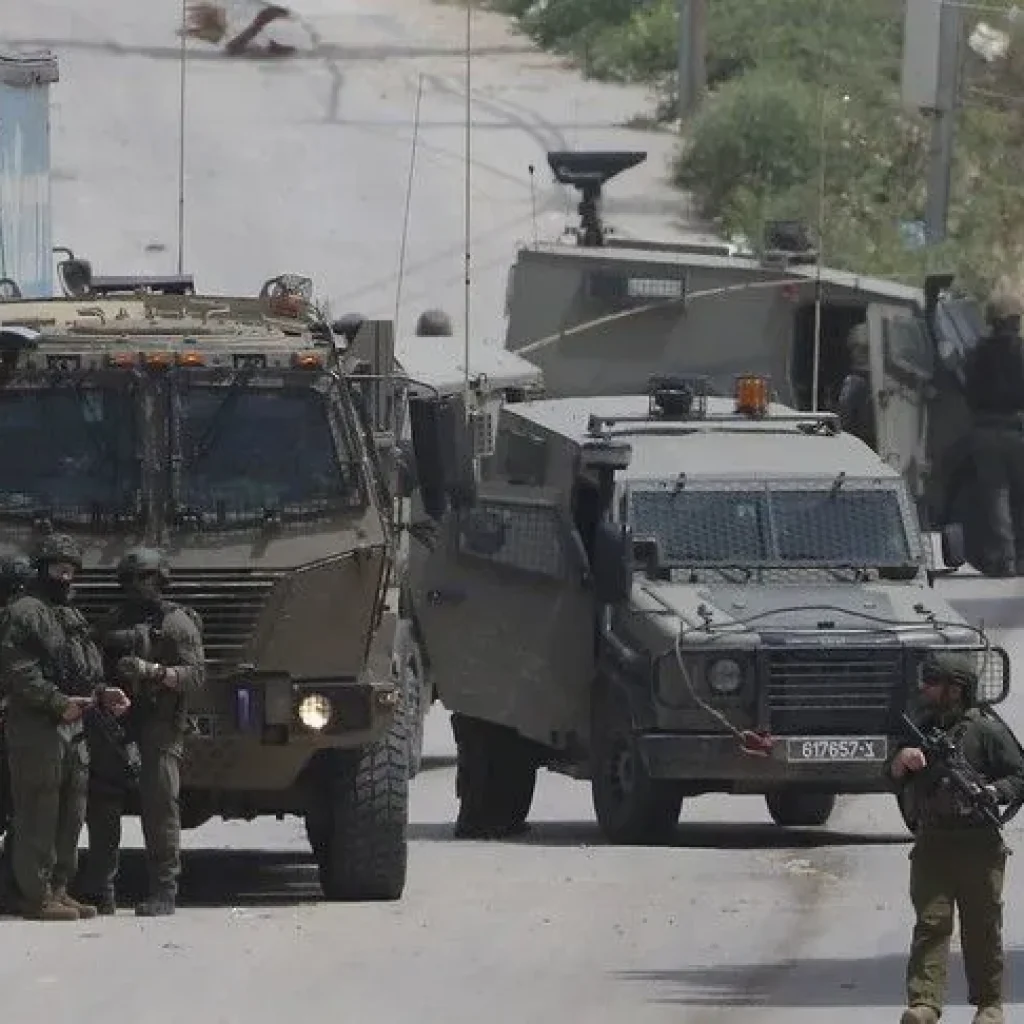
Police responded to the demonstrations by filing cases under multiple provisions of India’s new criminal code and the Prevention of Insults to National Honour Act, accusing protesters of rioting, promoting enmity, and conspiracy.
Srinagar parliamentarian Aga Syed Ruhullah Mehdi condemned the crackdown as “operational retribution” and “collective vilification of the people of Kashmir.” He said the emblem’s placement was a provocation. “To portray hurt at Hazratbal as an anti-national sentiment is a disservice to the Constitution and the values it enshrines,” he argued.
Former chief minister Mehbooba Mufti of the People’s Democratic Party accused Andrabi of deliberately hurting Muslim sentiments and said police refused to file a complaint against her. “Placing the emblem inside a shrine was bound to trigger anger,” she said. “Instead of holding the Waqf Board accountable, the administration is punishing worshippers. Andrabi must be removed and face legal action.”
Local politicians including Salman Ali Sagar and Sakina Ittoo also demanded the release of detainees. Rights advocates linked the incident to what they described as “loyalty tests” imposed on Kashmiri Muslims, recalling earlier state practices of public shaming that courts later struck down as unconstitutional.
For many in the valley, Hazratbal is more than a place of worship: it is a symbol of identity and survival. By arresting worshippers and framing their opposition as disloyalty to the state, analysts say, New Delhi is turning sacred spaces into sites of political confrontation. In a region already under heavy militarization, they warn, such actions risk deepening mistrust and further eroding the fragile social fabric.
Read also