Houthis announce Saudi blockade as US-Iran war widens
Yemen's Houthis open new front against Saudi Arabia as continued US military escalation threatens regional stability and global energy supplies
© Anadolu Agency
SANAA, Yemen (MNTV) — Yemen’s Houthi movement announced a maritime blockade against Saudi Arabia on Monday, opening a new front in the expanding US-Iran conflict and increasing concerns over global energy supplies and international shipping.
The Iran-aligned group said the blockade would take immediate effect, describing it as a response to what it called Saudi Arabia’s continued role in supporting military actions against Yemen. The announcement came as Washington continued its military campaign against Iran, further intensifying instability across the Middle East.
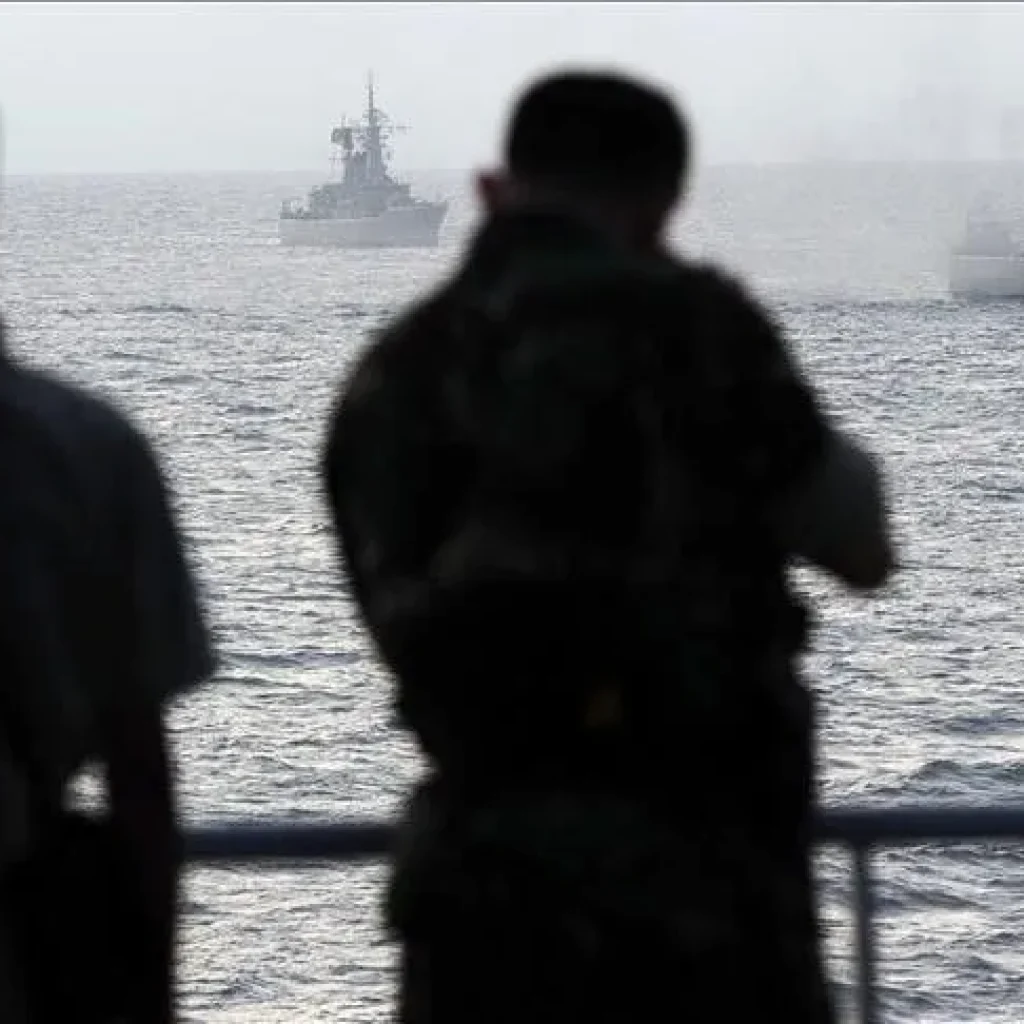
The Houthis warned they would prevent Saudi shipping through the Bab el-Mandeb Strait, a strategic waterway linking the Red Sea and the Gulf of Aden. Analysts said a prolonged disruption could significantly reduce global oil supplies, adding to existing shortages caused by the fighting around the Strait of Hormuz.
Oil prices briefly rose following the announcement before easing as markets reacted to reports that diplomatic contacts between Tehran and Washington were continuing through international mediators. However, insurance costs for commercial shipping through the Red Sea increased amid growing security concerns.
Iran’s Foreign Ministry confirmed it had received proposals through mediators aimed at reducing tensions but provided no details. Reports also indicated that Tehran had been presented with a proposal for a temporary ceasefire as efforts continued to salvage last month’s collapsed interim agreement.
Pakistan has re-emerged as a key diplomatic intermediary after Iranian Interior Minister Eskandar Momeni traveled to Islamabad for talks with Pakistani leaders, seeking renewed mediation efforts to reduce hostilities.
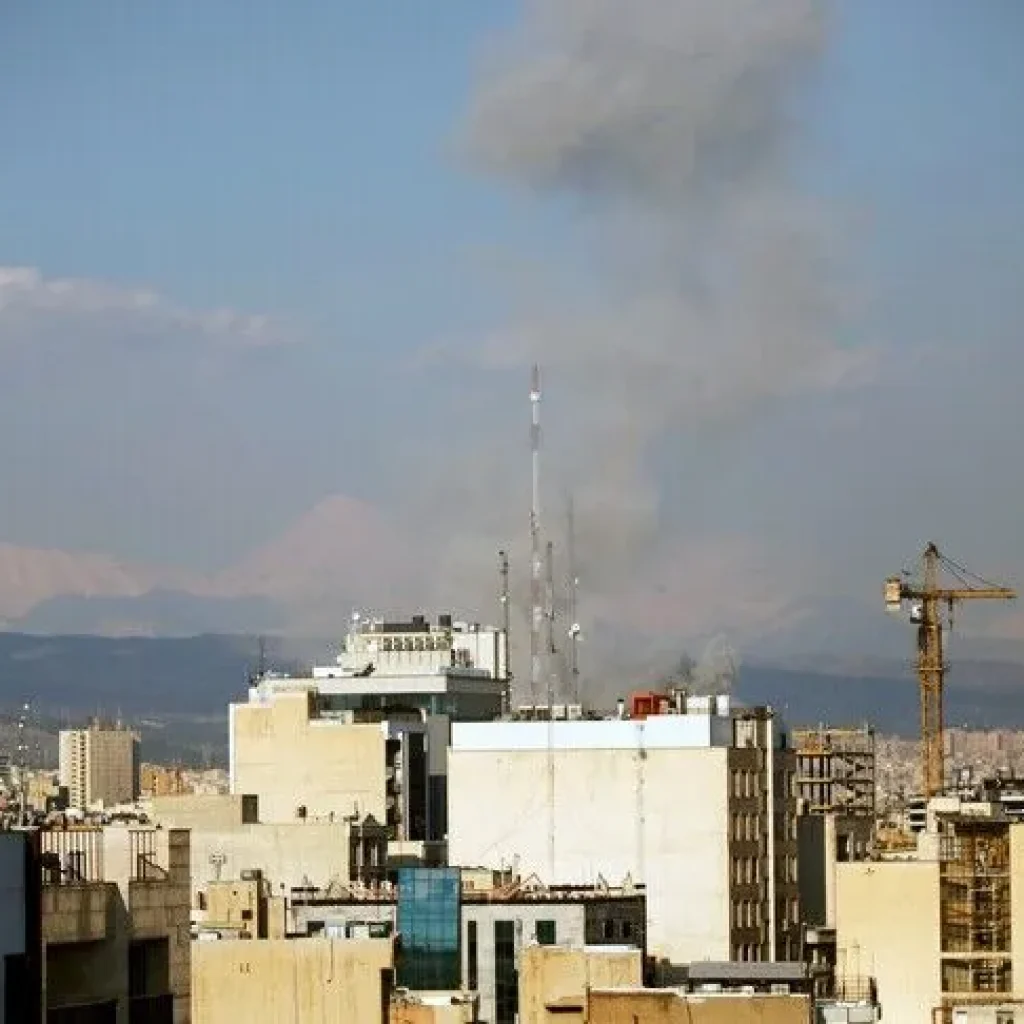
Despite those diplomatic contacts, the United States carried out another night of airstrikes across Iran, targeting several cities and expanding its military campaign. Iranian state media reported casualties following attacks near Tabriz and other locations, while officials accused Washington of worsening the conflict through continued military operations and economic pressure.
Iran’s Islamic Revolutionary Guard Corps said it launched missile attacks against US military assets in Jordan, Kuwait and Syria in response to the American strikes. Kuwaiti authorities reported intercepting Iranian drones, while Bahrain activated warning sirens amid heightened regional tensions.
The Guard also reported explosions involving oil tankers near the Strait of Hormuz, while a separate commercial vessel was struck by an unidentified projectile off the coast of Oman, highlighting the growing risks facing international shipping.
As the conflict expands across multiple fronts, concerns continue to grow that the sustained US military campaign is increasing the likelihood of a broader regional war while placing further strain on global trade, energy markets and civilian security.


Read also