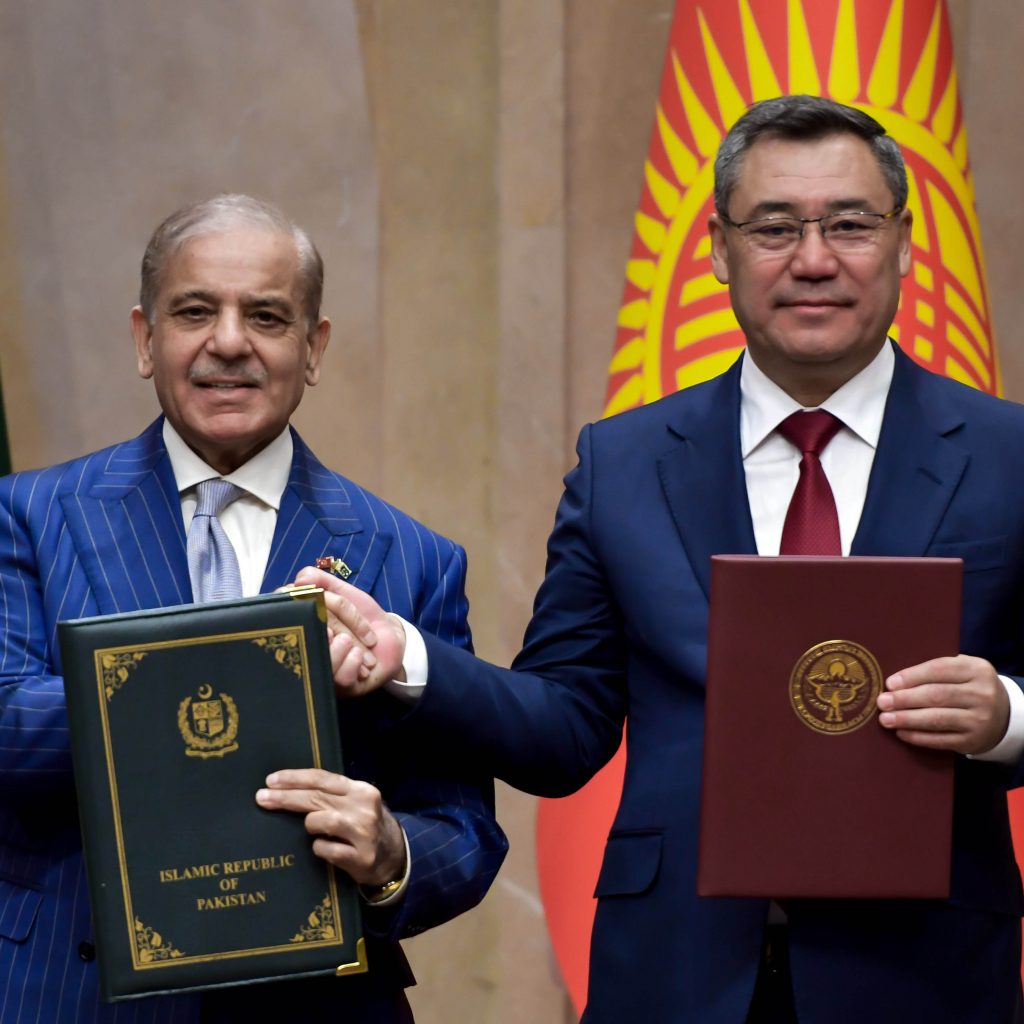
Dua, a finger to the sky, and sujood: Morocco sweep past Canada into quarter-finals
El Khannouss prayed before kickoff, Azzedine Ounahi pointed to heavens after scoring, and Soufiane Rahimi fell into prostration at final whistle
© AA
By MNTV Staff Writer
Morocco’s World Cup story remains one of faith as much as football — and on Saturday night in Houston, both were on full display.
The Atlas Lions eased past co-hosts Canada 3-0 in the Round of 16 to reach the quarter-finals for the second World Cup running, a clinical second-half performance bookended by quiet, unmistakable acts of devotion from the players who lit up the night.
For a team that has made prayer part of its identity on the world stage, it was a night that felt entirely in character.
Slow burn, then a flurry
The football itself took time to catch fire.
Canada, appearing in the knockout stage of a World Cup for the first time in their history, started the brighter of the two, pressing high and forcing a sharp early save from Yassine Bounou after Tani Oluwaseyi wriggled into the box.
The first half was a chippy, physical affair — six yellow cards, four of them Moroccan, including a flashpoint between Achraf Hakimi and Richie Laryea — and it ended goalless.
Whatever was said at the interval, Morocco emerged transformed.
Five minutes into the second half, Hakimi rolled a clever free-kick cutback into the path of Ounahi, who slid a low finish through a crowd of bodies and past Maxime Crépeau. It was Ounahi, again, who effectively settled it in the 82nd minute, sweeping home a second after Canada were caught pushing for an equaliser.
And deep into stoppage time, Brahim Díaz — setting a new African record with his fourth assist of the tournament — released Rahimi to slot the third and put the result beyond doubt.
It was ruthless without being spectacular: Morocco won the game with just five shots, reportedly the fewest by any winning team in the World Cup knockout rounds since records began in 1966.
The one blemish was an injury to Ismael Saibari, the breakout star of their tournament and a new Bayern Munich signing, who limped off before the break and was replaced by the man who would score the third.
Faith on biggest stage
If the goals were shared, the images that will travel furthest were the ones of devotion.
El Khannouss’s pre-match dua — a long, private moment of prayer amid the pre-game noise — set the tone. Ounahi’s celebration for the opener saw him raise a single finger skyward, a gesture of gratitude to God familiar from Muslim athletes across the game.
And when it was done, Rahimi sank to the ground in sujood, the prostration of thanks that has become a signature of this Moroccan side ever since their run to the semi-finals in 2022.
These are not new sights for anyone who has followed the Atlas Lions, whose players have consistently marked their triumphs by turning first to their faith.
But at a World Cup defined in part by the largest presence of Muslim players and nations in the tournament’s history, they land with particular resonance — a team performing at the elite level while wearing its beliefs openly, and without apology.
Date with France and score to settle
Morocco’s reward is a quarter-final that could hardly be more loaded: a meeting with France, the very side that ended their fairy tale in the semi-finals of Qatar 2022 with a 2-0 win.
Four years on, the Atlas Lions return to the last eight ranked sixth in the world and carrying the hopes of a continent that sent a record nine teams into this tournament’s knockout rounds.
The rematch offers a chance not just to advance, but to avenge.
For now, Canada’s historic campaign — the best in their men’s history, and one that included a thumping group-stage win over Qatar and a Round-of-32 victory over South Africa — comes to an end, the first co-hosts to exit the tournament.
Morocco march on, chasing the one prize that eluded them last time: a place in the final four, and then something no African or Arab nation has ever reached.
They will do it the way they always have — with discipline, with defiance, and, as Saturday made plain, with their heads bowed in prayer before and after the whistle.
Read also