Bangladesh opens national dialogue on digital violence against women
Dhaka launches national dialogue on technology-facilitated violence amid rising concern that digital spaces have become unsafe for women and girls
© File Photo
DHAKA, Bangladesh (MNTV) — Bangladesh has opened a national dialogue on digital violence against women and girls, warning that online platforms are rapidly becoming key sites of harassment, intimidation, and rights violations.
The initiative launched on Tuesday aligns with the global 16 Days of Activism against Gender-Based Violence, observed across more than 180 countries each year.
The discussion — convened by the Ministry of Women and Children Affairs in cooperation with the United Nations, international partners, technology experts, and rights advocates — highlighted the sharp rise in technology-facilitated abuse, including cyberstalking, non-consensual image distribution, doxxing, and coordinated trolling campaigns targeting women in public life.
Bangladeshi officials said the country needs a comprehensive national framework to prevent and respond to online gender violence, stressing that fragmented laws and weak enforcement have left survivors exposed and discouraged from seeking justice.
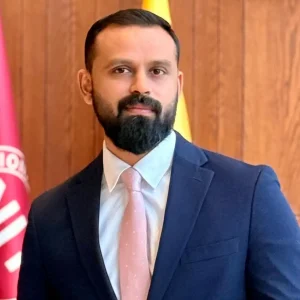
Addressing participants, Sharmeen S. Murshid, Adviser to the Ministry of Women and Children Affairs, said hostile online spaces are deterring women from participating in politics, education, and employment. “Fear has shifted from the streets to the screens. Entering the digital world has become dangerous for women,” she said, urging sustained action beyond symbolic campaigns.
International agencies noted that Bangladesh’s struggle reflects a widening global crisis. UN Women estimates that between 16 percent and 58 pc of women worldwide experience digital harassment, a range experts attribute to varying reporting standards and fear of retaliation.
Surveys show that online attacks silence women activists, journalists, and students, reinforcing gender inequality and shrinking civic space.
Panelists at the Dhaka dialogue argued that improving digital literacy, building survivor-centered reporting systems, and enforcing existing legal protections are immediate priorities. Participants also called for stronger accountability from social media platforms, saying corporate responses remain inconsistent and opaque.
Diplomats and international partners stressed that technology should expand freedoms, not restrict them. Representatives from Australia, Sweden, and UNFPA urged coordinated policies and emphasized that online abuse must be treated as a human rights and development issue, not merely a technological challenge.
The discussion coincides with the 30th anniversary of the Beijing Declaration and Platform for Action, a global blueprint for gender equality. Rights groups say governments must urgently translate commitments into policy if they want digital spaces to remain democratic and safe.
Bangladesh ranks among the world’s fastest-growing digital economies, with 130 million internet users.
Advocates warned that without decisive action, online violence will undermine women’s participation in political life, education, and the workforce, jeopardizing broader development gains.


Read also