Islamophobic hate crimes rise 15% in England and Wales as attacks on mosques turn more severe
Home Office figures show Muslims were targeted in nearly half of all religious hate crimes last year, while a new report finds assaults on mosques — though broadly steady in number — are becoming markedly more violent
© AA
LONDON (MNTV) — Religious hate crimes targeting Muslims in England and Wales rose by 15 percent in the year to March 2026, according to Home Office figures published on Thursday, as a separate report warned that attacks on mosques are growing significantly more dangerous.
The official data, reported by the Muslim news magazine Hyphen, showed police recorded 11,419 religious hate crimes against all faiths in 2025-26, up 13 percent on the previous year. Of these, 5,132 targeted Muslims — 45 percent of the total, and up from 4,479 the year before — making them by far the most frequently targeted religious group.
Public order offences remained the most common form of anti-Muslim hate crime. The Home Office noted spikes in September 2025, amid far-right protests and public disorder, and again in March 2026, following the onset of the U.S.-Iran conflict — a pattern that illustrates how quickly international and domestic flashpoints translate into hostility on British streets.
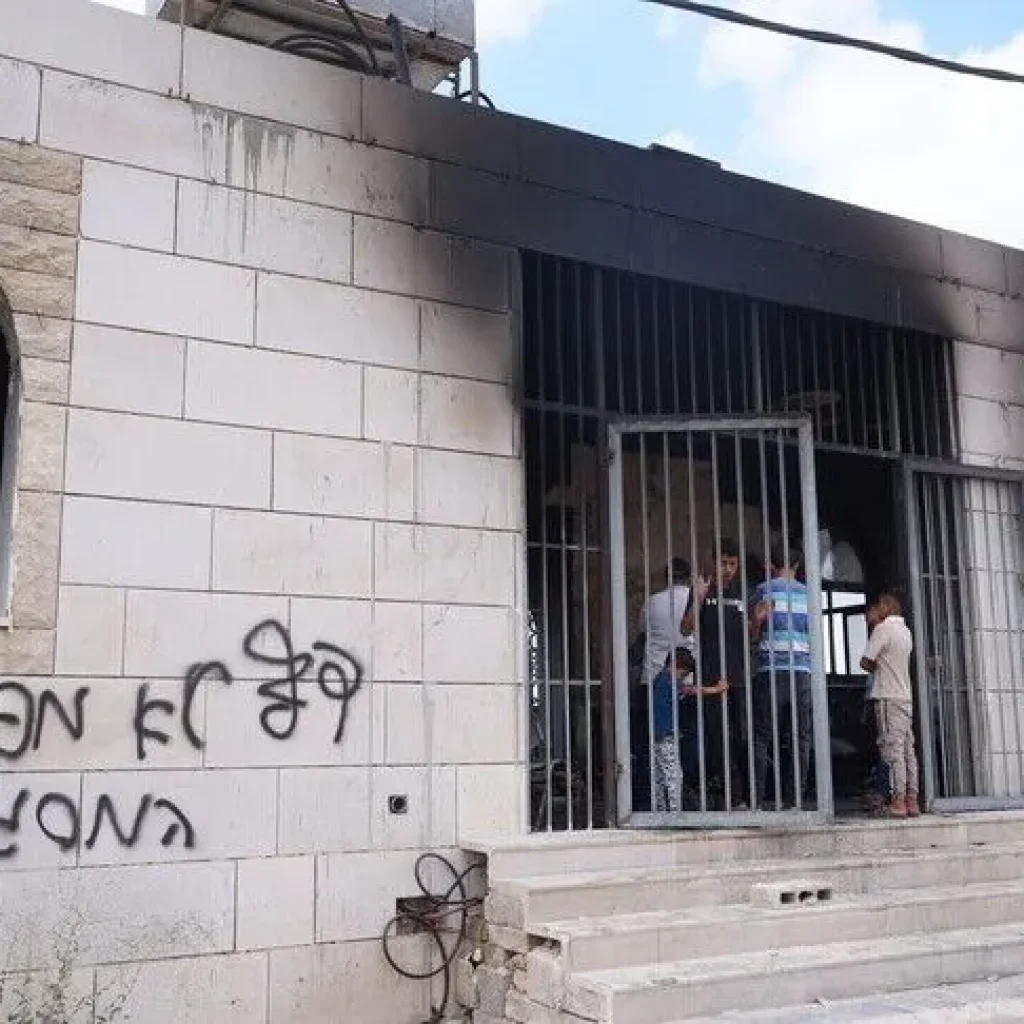
The figures landed alongside a new report from the British Muslim Trust (BMT), which documented 78 verified attacks between July 2025 and July 2026 — an average of one every five days — along with incidents targeting 64 mosques.
While the overall frequency of attacks has broadly plateaued, the BMT found that their severity has risen sharply.
The shift is stark. In the first three months of the reporting period, 22.2 percent of incidents fell into the BMT’s most serious categories, involving threats, weapons, violence, arson or premeditated mass-casualty plots.
From November 2025 to July 2026, that proportion rose to 62.7 percent.
Incidents involving serious harm, arson or direct violence climbed from 3.7 percent to 19.6 percent, and the later period saw two alleged premeditated mass-casualty plots, compared with none before.
The BMT stressed that its figure of 78 attacks is likely an undercount, as it includes only cases it could independently verify.
“British Muslims are under attack due to the polarisation that is building, and many Muslims are scared to go about their everyday lives.”
The findings intensify pressure on the government’s protective security scheme for mosques, which distributes £40 million a year to fund security measures. Hyphen revealed in August that the scheme had left hundreds of applicants waiting for months or even years, with some mosques forced to spend thousands of pounds of their own money on security rather than on urgent repairs or cost-of-living support for their communities.
Taken together, the official statistics and the BMT’s findings point to a worsening climate — one in which the volume of anti-Muslim hostility remains stubbornly high, the attacks on places of worship are turning more violent, and the state’s promised protections are struggling to keep pace.
Read also